-
How to Store Equestrian Helmets to Prevent Damage and Wear
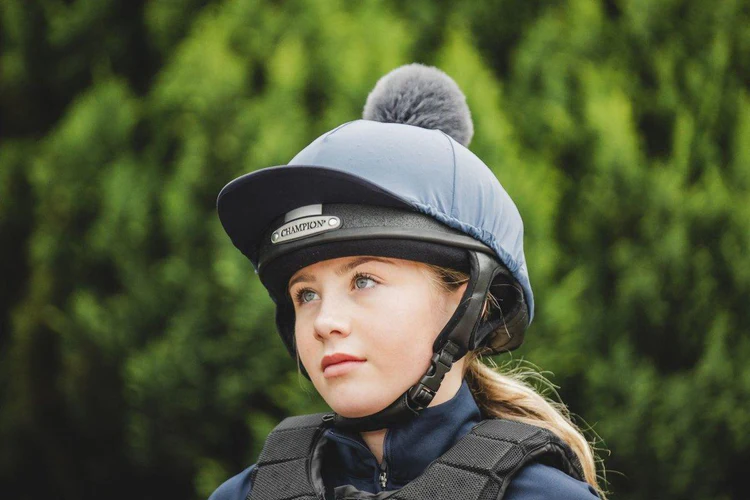
Properly caring for your riding helmet is essential for both safety and longevity. Helmets are a significant investment and play a critical role in pr…
-
Goal Setting for Dressage Riders
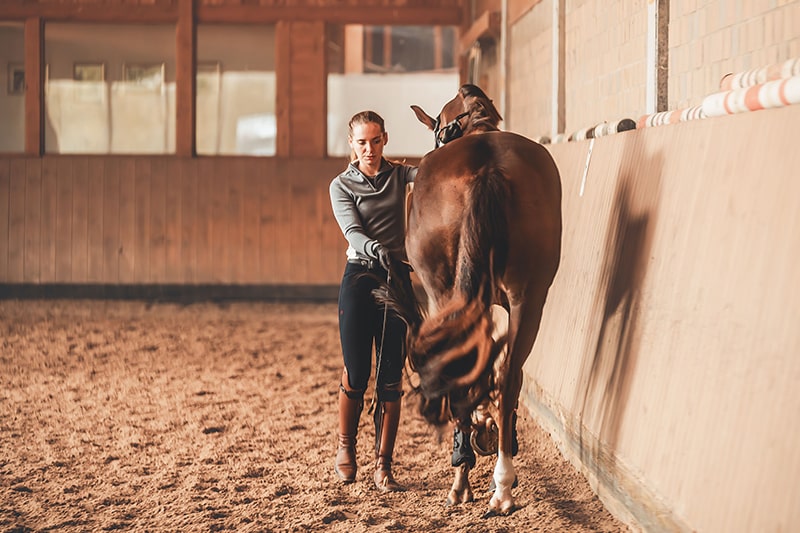
Developing as a dressage rider requires more than just time in the saddle. Setting clear, actionable goals is a proven way to track progress, stay mot…
-
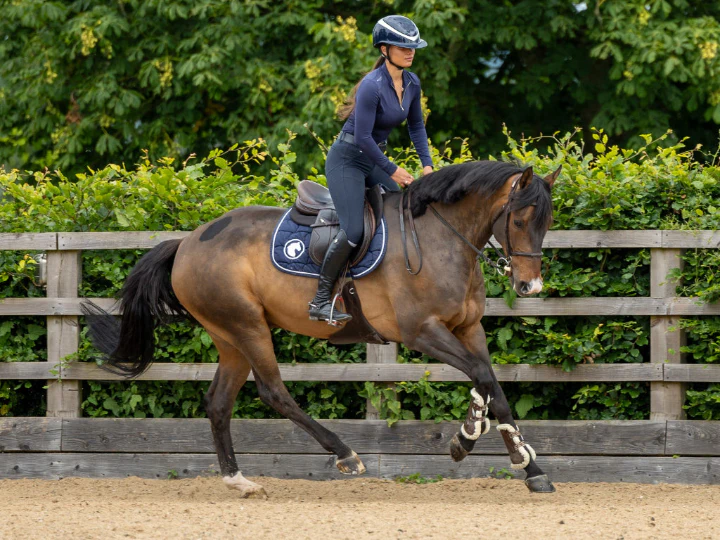
How to Check for SEI Certification Tags on Your Riding Helmet
Ensuring your riding helmet meets current safety standards is essential for every equestrian. One of the most important indicators of helmet safety is…
-
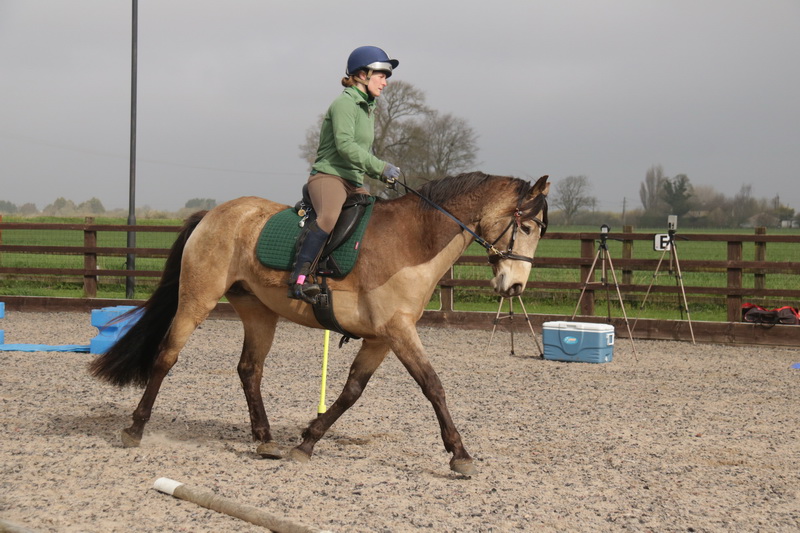
Understanding the Dressage Scoring System
Dressage is often described as the art of riding and training a horse in a manner that develops obedience, flexibility, and balance. For riders and en…
-
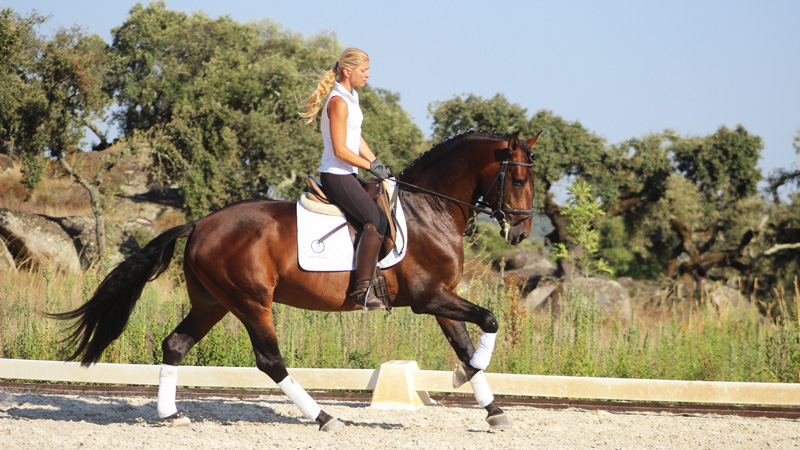
Mental Focus in Dressage Training
Developing mental focus in dressage training is as essential as refining your physical riding skills. Whether you are an amateur enthusiast or a seaso…
-
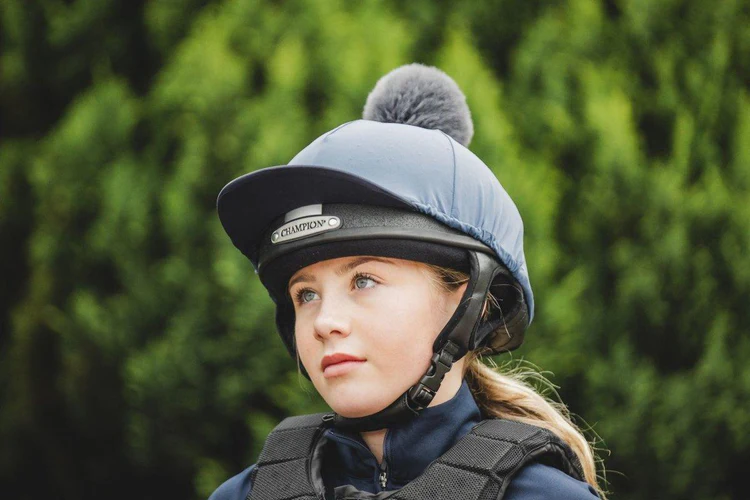
How to Identify a Damaged EPS Liner in Your Riding Helmet
Equestrian helmets are designed to protect riders from serious head injuries, and the Expanded Polystyrene (EPS) liner inside is a critical component …
-
Benefits of Reflective Piping on Helmets for Low-Light Riding
Riding in low-light conditions, whether during early morning, dusk, or in foggy weather, presents unique safety challenges. Visibility is often reduce…
-
Relaxation in Dressage Training
Achieving relaxation in dressage training is a cornerstone of developing a harmonious partnership between horse and rider. When a horse is relaxed, it…
-
How to Fit a Riding Helmet With Long Hair: Tips and Tricks
Finding the right fit for a riding helmet can be challenging, especially if you have long hair. Whether you ride professionally or for leisure, ensuri…
-
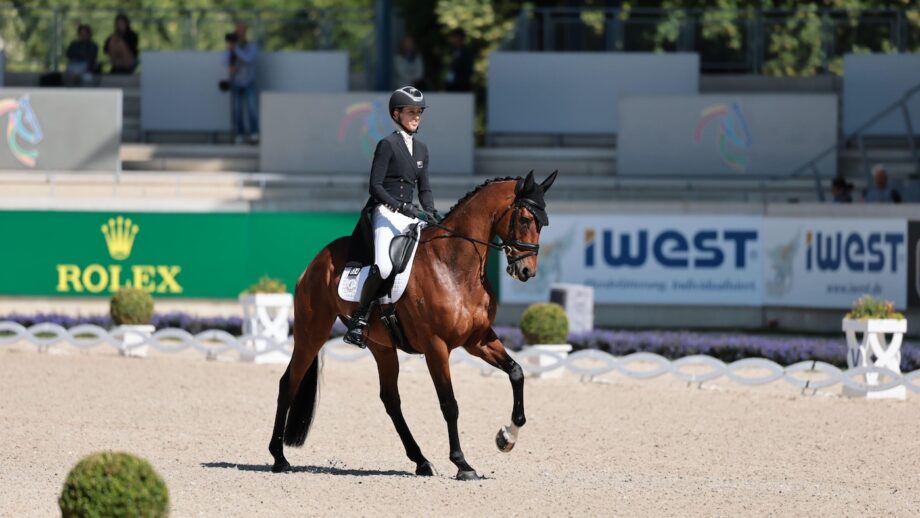
Fixing a Hollow Back in Dressage
Achieving a supple, rounded topline is one of the hallmarks of quality dressage training. Yet, many riders encounter the challenge of a hollow back in…