

Establishing the right dressage training frequency is essential for both horse and rider progress. Whether you are a beginner or advancing through the levels, understanding how often to train dressage can help you set realistic goals, prevent burnout, and ensure your horse’s well-being. The ideal schedule depends on experience, fitness, and your ambitions in the sport.
Before mapping out your weekly routine, it’s important to consider safety and equipment. For example, choosing the right helmet is crucial for any equestrian discipline. If you’re unsure about helmet selection, you may find the guide on how to choose a helmet for eventing helpful, as it covers key safety considerations relevant to dressage riders as well.
Key Factors That Influence Dressage Training Frequency
There is no universal answer to how many times a week you should practice dressage. Several factors play a role in determining the best routine for you and your horse:
- Horse’s Age and Experience: Young or green horses benefit from shorter, more frequent sessions, while seasoned mounts may handle longer, more intensive work.
- Rider’s Goals: Are you preparing for competition, or riding recreationally? Competitive riders often train more frequently, sometimes five to six days per week.
- Fitness Level: Both horse and rider fitness impact how often you can train without risking fatigue or injury.
- Other Activities: Cross-training, hacking, and rest days are important for mental and physical variety.
- Facilities and Support: Access to arenas, trainers, and support staff can affect your ability to maintain a consistent schedule.
Recommended Weekly Dressage Training Schedules
To help you decide how often to train dressage, here are some typical weekly routines based on different experience levels and goals:
Beginners and Young Horses
For those new to the discipline or working with young horses, consistency is key, but so is moderation. Aim for three to four sessions per week, each lasting 30–45 minutes. This allows for skill development without overwhelming the horse or rider.
Intermediate Riders and Horses
As skills and stamina improve, you can increase to four or five sessions per week. Sessions may extend to 45–60 minutes, with a focus on refining movements and building strength. Incorporate at least one day of hacking or groundwork to keep your horse mentally fresh.
Advanced and Competitive Dressage
Riders aiming for competition at higher levels often train five to six days per week, sometimes with double sessions (one focused on fitness, another on technical work). Horses at this level require careful management, including regular rest and cross-training to prevent overuse injuries.
Balancing Intensity and Rest
Quality matters more than quantity. Even with frequent sessions, it’s vital to include rest days and lighter work to avoid both physical and mental fatigue. Horses benefit from variety, such as trail rides, pole work, or turnout days. This balance supports long-term soundness and motivation.
Signs Your Dressage Training Schedule Needs Adjustment
Pay attention to your horse’s responses. Signs that you may need to adjust your routine include:
- Reluctance to work or sour attitude
- Stiffness, soreness, or signs of lameness
- Plateauing progress or regression in performance
- Loss of enthusiasm from either horse or rider
If you notice any of these, consider reducing intensity, adding rest days, or consulting with a trainer or veterinarian.
Incorporating Cross-Training and Variety
Dressage horses benefit greatly from a varied routine. Cross-training with activities like jumping, groundwork, or hacking helps develop different muscle groups and keeps horses mentally engaged. This approach not only prevents boredom but can also improve overall athleticism and responsiveness.
Working With a Trainer and Setting Goals
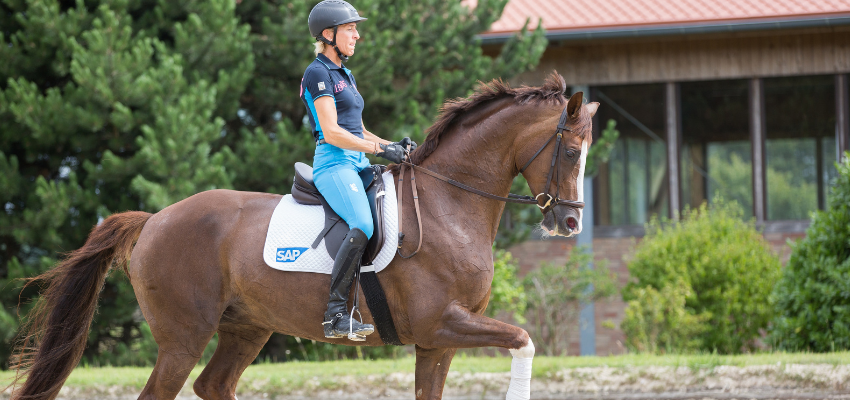
Regular lessons with a qualified instructor can help you optimize your routine and ensure steady progress. A trainer can tailor exercises to your horse’s needs, help you set achievable milestones, and identify when it’s time to increase or decrease training frequency.
For those just starting out, online forums such as this discussion on beginning dressage can offer additional perspectives and advice from experienced riders.
Dressage Training Frequency: Sample Weekly Plans
| Level | Sessions/Week | Session Length | Rest/Cross-Training |
|---|---|---|---|
| Beginner/Young Horse | 3–4 | 30–45 min | 2–3 days |
| Intermediate | 4–5 | 45–60 min | 1–2 days |
| Advanced/Competitive | 5–6 | 60+ min | 1–2 days |
Common Mistakes When Planning Dressage Workouts
Avoiding overtraining is just as important as maintaining consistency. Some common pitfalls include:
- Skipping rest days, leading to fatigue and injury
- Repeating the same exercises, causing boredom and plateau
- Neglecting warm-up and cool-down routines
- Not adjusting the plan based on horse’s feedback
Remember, flexibility is key. Adjust your schedule as needed to support your horse’s health and enthusiasm.
FAQs About Dressage Training Routines
How many days a week should a dressage horse be ridden?
Most dressage horses thrive on four to six rides per week, with a mix of focused schooling, cross-training, and rest. The exact number depends on age, fitness, and goals.
Is it okay to train dressage every day?
While some advanced horses may work daily, it’s important to alternate intensity and include lighter sessions or rest days. Overtraining can lead to physical and mental fatigue.
What should I do on non-dressage days?
Use these days for hacking, groundwork, turnout, or other low-impact activities. This variety supports overall fitness and keeps horses mentally fresh.
How do I know if my training schedule is too much?
Watch for signs such as reluctance to work, stiffness, or loss of enthusiasm. If these appear, reduce intensity and consult a trainer or veterinarian.
Conclusion
Finding the right balance in how often to train dressage is a process that depends on your horse’s needs, your goals, and your available resources. Prioritize quality sessions, allow for rest and variety, and adjust your plan as you and your horse progress. With a thoughtful approach, you’ll foster both skill development and long-term enjoyment in the arena.