

Finding the right fit for a riding helmet can be challenging, especially if you have long hair. Whether you ride professionally or for leisure, ensuring your helmet fits securely and comfortably is essential for both safety and confidence in the saddle. Long hair introduces unique considerations, from managing bulk under the helmet to preventing pressure points and ensuring the helmet stays in place during movement.
This guide provides practical advice and proven techniques for achieving a secure, comfortable fit when wearing a helmet with long hair. You’ll learn about hair management methods, helmet sizing adjustments, and common mistakes to avoid. For those interested in a deeper dive into helmet selection, you may also want to read how to find the right riding helmet for your head shape for additional insights.
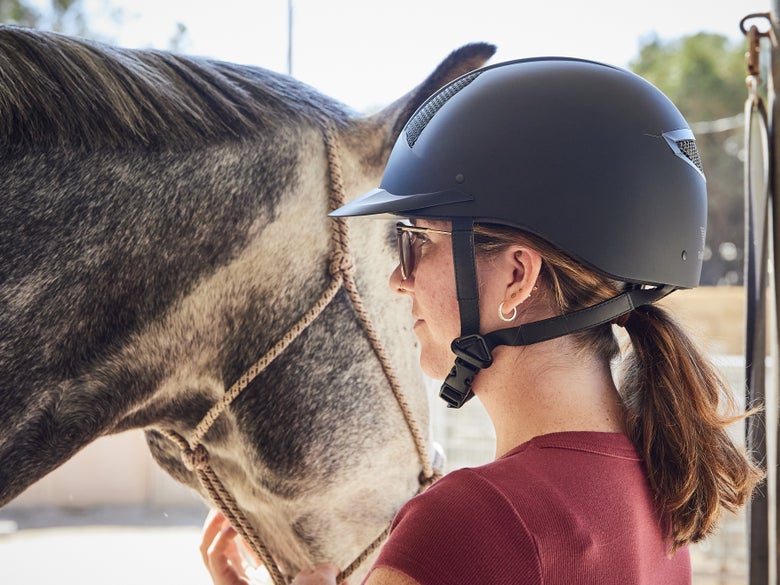
Why Proper Helmet Fit Matters for Riders With Long Hair
Wearing a helmet that fits correctly is crucial for every rider, but those with long hair face additional challenges. Hair can create extra volume, alter the helmet’s position, and affect the effectiveness of the retention system. An ill-fitting helmet may compromise protection, cause discomfort, or even slip during a fall.
Key reasons to focus on fit when you have long hair include:
- Safety: A secure fit ensures the helmet stays in place and absorbs impact as designed.
- Comfort: Proper adjustment prevents headaches, pressure points, and hair pulling.
- Performance: A well-fitted helmet allows you to focus on riding, not on readjusting your gear.
Preparing Your Hair for Helmet Fitting
Before you even try on a helmet, it’s important to prepare your hair in a way that minimizes bulk and keeps it tidy. Here are some effective hair management techniques:
- Low Ponytail: Gather your hair at the nape of your neck. This keeps the helmet sitting flat and avoids pressure at the crown.
- Hairnet: Use a snug hairnet to contain loose strands and create a smooth surface for the helmet.
- Braids: A single low braid or two side braids can help distribute hair evenly and reduce lumps.
- Bun: If you prefer a bun, keep it low and flat, just above the neck, so it doesn’t interfere with the helmet’s fit.
Always style your hair the way you intend to wear it while riding before measuring or fitting your helmet. This ensures the fit you achieve in the store matches your real-world use.
Step-by-Step Guide to Adjusting Helmet Fit With Long Hair
Follow these steps to achieve a secure and comfortable fit when wearing a helmet over long hair:
- Put Your Hair Up: Secure your hair in your preferred style (low ponytail, braid, or bun) and use a hairnet if desired.
- Position the Helmet: Place the helmet on your head, starting at the front and rolling it back over your hair. The helmet should sit level, covering your forehead about one to two finger-widths above your eyebrows.
- Check the Fit: The helmet should feel snug all around your head without pinching. If it rocks or shifts, try adjusting your hair or the helmet’s fit system.
- Adjust the Retention System: Tighten the dial or straps at the back of the helmet to secure it. The helmet should not move when you shake your head.
- Fasten the Chin Strap: Buckle the chin strap so it fits snugly under your chin, allowing only two fingers between the strap and your skin.
- Test for Movement: Move your head side to side and up and down. The helmet should stay in place and your hair should not cause it to slip.
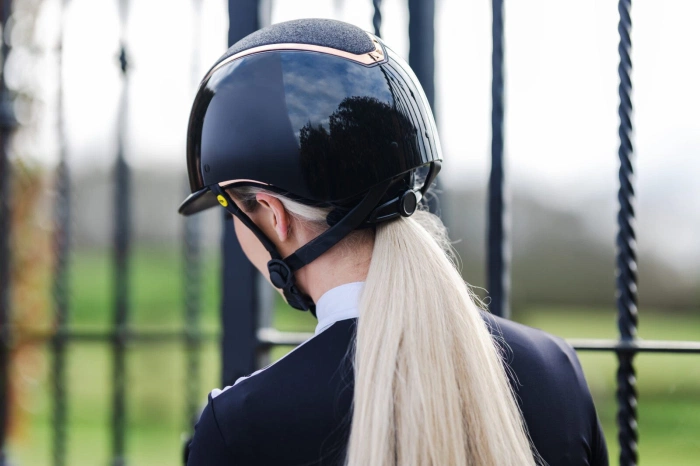
Choosing the Right Helmet Size and Shape for Long Hair
The presence of long hair can affect helmet sizing. When shopping for a new helmet, consider the following:
- Measure With Your Hair Up: Always measure your head circumference with your hair styled as you would for riding. This gives a more accurate size.
- Try Different Shapes: Some helmets are rounder or more oval. If your hair adds bulk in certain areas, you may need to try a different helmet shape for the best fit.
- Adjustable Fit Systems: Many modern helmets feature dials or adjustable padding to fine-tune the fit, which is especially helpful for accommodating hair changes.
If you’re unsure about sizing, consult a professional or refer to guides like how to measure head circumference for horses for step-by-step instructions.
Common Mistakes to Avoid When Fitting a Helmet Over Long Hair
Even experienced riders can make mistakes when fitting a helmet with long hair. Here are some pitfalls to watch out for:
- Ponytail Too High: Placing your ponytail too high can push the helmet forward, exposing your forehead and reducing protection.
- Excessive Bulk: Avoid thick scrunchies or large hair accessories that create uneven pressure or gaps inside the helmet.
- Loose Hair: Leaving hair loose can cause slippage and discomfort, especially during vigorous riding.
- Ignoring the Retention System: Always adjust the helmet’s retention system after styling your hair to ensure a secure fit.
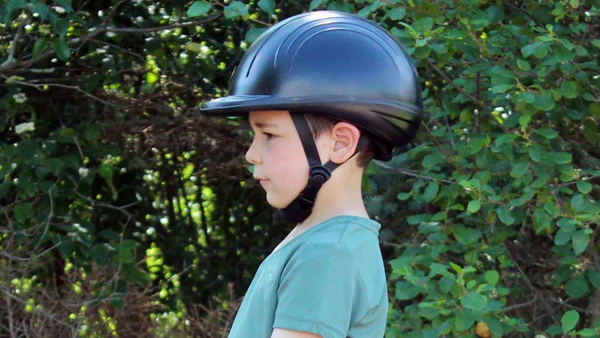
Extra Tips for Managing Long Hair Under a Riding Helmet
Here are some additional strategies to help riders with long hair achieve the best possible helmet fit:
- Use Thin Hair Ties: Opt for slim, snag-free elastics to minimize bulk and discomfort.
- Keep Hair Clean and Dry: Clean hair is less slippery and helps the helmet grip better.
- Consider Helmet Liners: Some helmets offer removable liners that can be washed or replaced, helping manage sweat and hair oils.
- Recheck Fit Regularly: Hair length and style can change over time. Reassess your helmet fit periodically, especially after a haircut or if your hair grows significantly.
For more details on helmet safety features, see the article on the importance of a secure helmet retention system.
When to Replace Your Helmet
Even the best-fitting helmet needs replacement after a fall or as it ages. The protective foam inside can degrade, especially with frequent use and exposure to sweat or hair products. For guidance on when to buy a new helmet, check out impact of age on helmet protective foam.
Expert Advice and Additional Resources
If you’re still unsure about the best way to fit a helmet with long hair, consult a knowledgeable retailer or riding instructor. You can also find a detailed overview of helmet sizing and fit considerations in this comprehensive guide to buying an equestrian riding helmet.
Frequently Asked Questions
Can I Wear My Hair in a High Ponytail Under a Riding Helmet?
It’s best to avoid high ponytails, as they can push the helmet forward and compromise its fit. A low ponytail or braid is recommended to maintain proper coverage and comfort.
Should I Size Up My Helmet to Accommodate Long Hair?
Not necessarily. Instead of sizing up, style your hair as you would for riding and measure your head accordingly. Modern helmets with adjustable fit systems can accommodate minor changes in hair volume without sacrificing safety.
How Do I Prevent My Helmet From Slipping With Long Hair?
Using a hairnet, securing your hair low, and properly adjusting the retention system will help keep your helmet in place. Make sure the helmet fits snugly and does not move when you shake your head.
Is It Safe to Use Hair Clips or Barrettes Under My Helmet?
Large or hard hair accessories can create pressure points and affect helmet fit. If you need to use clips, choose small, flat ones and position them low and away from areas where the helmet applies pressure.