

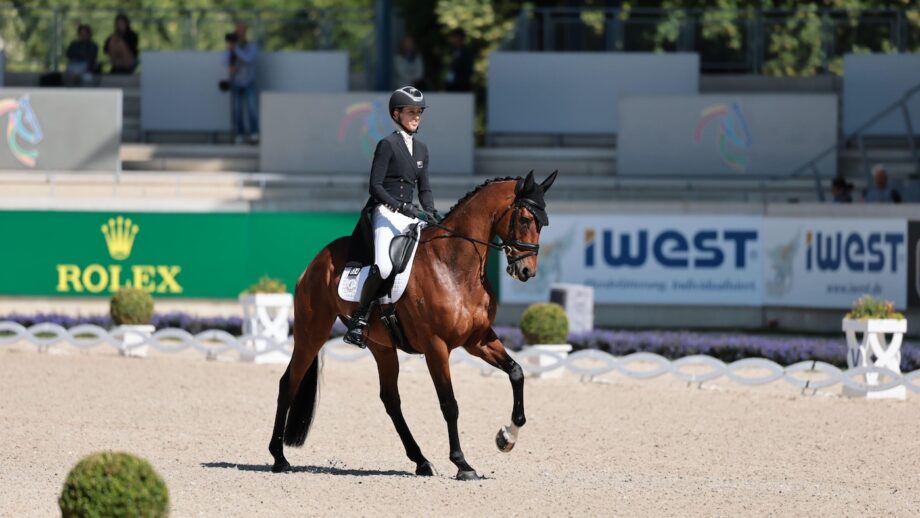
Achieving a supple, rounded topline is one of the hallmarks of quality dressage training. Yet, many riders encounter the challenge of a hollow back in their horses—a posture where the horse’s back drops and the neck comes up, leading to stiffness, tension, and a lack of engagement from behind. Addressing this issue is essential for both the horse’s comfort and the rider’s success in the arena. This guide explores the causes, effects, and proven strategies for fixing hollow back in dressage horses, helping you develop a more harmonious partnership and improve your scores.
Before diving into practical solutions, it’s important to understand that a hollow back is not just a cosmetic flaw. It can indicate discomfort, incorrect training, or even saddle fit problems. Tackling the root causes will set the foundation for lasting improvement. For those interested in optimizing every aspect of their riding gear, you may also want to explore how to find the right riding helmet for your head shape to ensure both you and your horse are set up for success.
Understanding the Hollow Back Phenomenon
A horse displaying a hollow back will typically have a dropped spine, tense underneck, and disengaged hindquarters. This posture not only affects the horse’s movement but can also lead to long-term musculoskeletal issues. Recognizing the signs early is crucial for effective intervention.
- Head carried high and nose poking out
- Back muscles tense or sunken
- Short, choppy strides
- Difficulty in transitions and lateral work
These symptoms often stem from a combination of physical, training, and equipment factors. Addressing each aspect will help in correcting hollow posture and promoting a healthier way of going.
Common Causes of a Hollow Back in Dressage Horses
Several factors can contribute to a horse developing a hollow back. Understanding these root causes is the first step toward effective correction:
- Poor Saddle Fit: An ill-fitting saddle can create pressure points, causing the horse to tense and drop its back to avoid discomfort.
- Rider Position: If the rider is unbalanced, sits too far back, or grips with the knees, the horse may respond by hollowing.
- Lack of Core Strength: Horses need strong abdominal and back muscles to carry themselves correctly. Weakness here leads to sagging and tension.
- Incorrect Training Methods: Overuse of hands, neglecting impulsion, or failing to encourage engagement from behind can all reinforce poor posture.
- Pain or Physical Issues: Back pain, dental problems, or lameness can cause a horse to avoid rounding its back.
Consulting with a veterinarian, saddle fitter, and experienced trainer is recommended if you suspect any underlying issues.
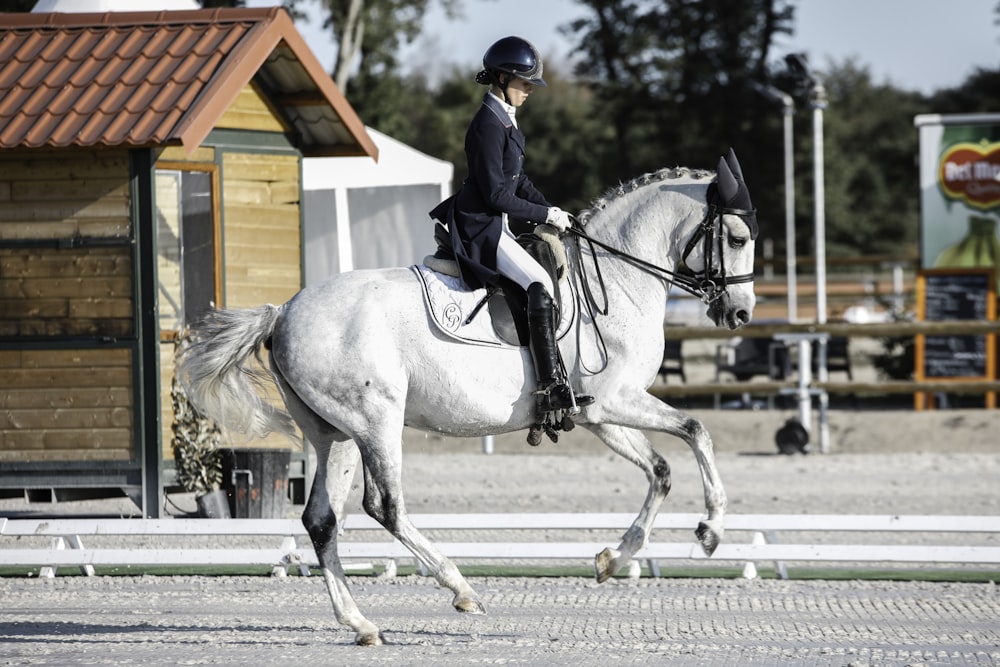
Strategies for Fixing Hollow Back in Dressage Training
Once you’ve identified the likely causes, you can begin implementing targeted strategies to help your horse develop a stronger, more rounded topline. Here are several proven approaches:
1. Prioritize Correct Saddle Fit
Start by ensuring your saddle distributes weight evenly and allows for free movement of the horse’s back and shoulders. A professional saddle fitter can assess your current tack and recommend adjustments or alternatives. Investing in a well-designed dressage saddle can make a significant difference in your horse’s comfort and willingness to work over the back.
2. Improve Rider Position and Balance
Your own posture directly impacts your horse’s way of going. Focus on sitting tall, keeping your seat bones evenly weighted, and maintaining a soft, following contact. Avoid gripping with your knees or tipping forward, as these habits can inadvertently encourage your horse to hollow. Regular lessons and video analysis can help refine your position.
3. Build Core Strength and Engagement
Encourage your horse to use its abdominal and back muscles through exercises that promote engagement from the hindquarters. Useful exercises include:
- Transitions between and within gaits
- Leg yields and shoulder-in
- Cavaletti and pole work
- Long and low stretching (on a contact, not on the buckle)
Consistency is key. Short, focused sessions are more effective than long, fatiguing rides.
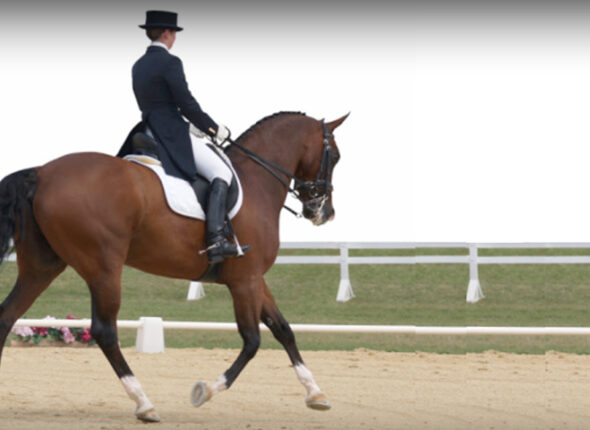
4. Use Groundwork to Encourage Relaxation
In-hand work and lunging with side reins or a chambon (used correctly and under guidance) can help the horse learn to stretch over its back without the added weight of a rider. Focus on rhythm, relaxation, and encouraging the horse to reach forward and down with its neck while keeping the hind legs active.
5. Address Physical Discomfort Promptly
If your horse suddenly develops a hollow back or resists rounding, consult with your veterinarian or equine bodyworker. Back pain, dental issues, or even hoof discomfort can all contribute to tension and poor posture. Regular checkups and preventive care are essential for maintaining your horse’s well-being.
Dressage Principles That Support a Healthy Back
Following established dressage principles can help prevent and correct a hollow back. The fundamentals of dressage emphasize rhythm, relaxation, connection, impulsion, straightness, and collection. Each of these elements contributes to a horse that moves with a lifted, engaged topline and a swinging back.
Patience and consistency are key. Progress may be gradual, but with the right approach, most horses can learn to carry themselves correctly and comfortably.
Monitoring Progress and Adjusting Your Approach
Tracking your horse’s development is important for long-term success. Keep a training journal, take regular photos or videos, and note any changes in your horse’s behavior or performance. Celebrate small improvements and be willing to adjust your methods as needed. If you’re interested in optimizing other aspects of your riding, consider reading about the impact of age on helmet protective foam to ensure your safety equipment is up to date.
Remember, every horse is unique. What works for one may not work for another, so stay flexible and seek professional advice when needed.
Frequently Asked Questions
What are the signs that my horse is hollowing its back?
Common signs include a high head carriage, a dropped or tense back, lack of engagement from the hindquarters, short strides, and resistance to transitions or bending. Riders may also notice the horse feels stiff or uncomfortable under saddle.
Can equipment alone fix a hollow back?
While proper saddle fit is essential, equipment alone is rarely enough. A combination of correct tack, balanced riding, targeted exercises, and addressing any physical discomfort is necessary for lasting improvement.
How long does it take to correct a hollow back?
The timeline varies depending on the horse’s age, training history, and physical condition. With consistent, correct work and attention to detail, most horses show improvement within a few weeks to several months.
Are there specific exercises to help strengthen my horse’s topline?
Yes, exercises such as transitions, lateral work (like leg yields and shoulder-in), pole work, and long-and-low stretching can all help build core strength and encourage the horse to round its back.
Should I consult a professional if my horse’s back remains hollow?
If you’ve addressed saddle fit, rider position, and training methods but see little progress, consulting a veterinarian, saddle fitter, or experienced trainer is recommended to rule out underlying issues.