

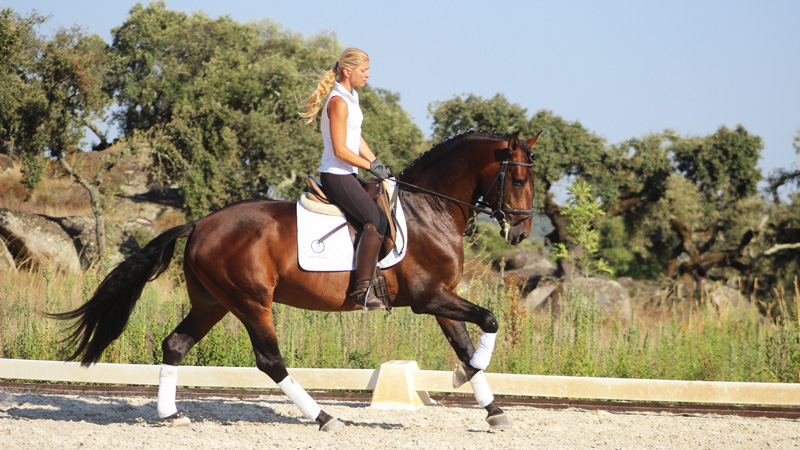
Developing mental focus in dressage training is as essential as refining your physical riding skills. Whether you are an amateur enthusiast or a seasoned competitor, the ability to concentrate, remain calm, and maintain clarity under pressure can make a significant difference in your performance. Dressage, often described as the art of harmonious movement between horse and rider, demands not only technical precision but also a strong, focused mind.
Many riders invest hours perfecting their seat, aids, and transitions, but overlook the importance of mental preparation. In reality, the mind plays a pivotal role in communication with the horse, consistency in training sessions, and success in the arena. By understanding and nurturing your mental game, you can unlock new levels of partnership and achievement in dressage.
Before diving into strategies for sharpening your concentration, it’s also wise to consider safety and comfort. For example, choosing the right riding helmet is crucial for both confidence and protection. You can learn more about how to find the right riding helmet for your head shape to ensure you’re well-prepared for every ride.
Why Concentration Matters in Dressage
Dressage is unique among equestrian disciplines for its emphasis on subtlety and precision. Every movement, from the most basic walk-trot transition to advanced piaffe or passage, requires the rider to be fully present. A lapse in attention can disrupt the flow, confuse the horse, or lead to mistakes in the test.
Mental focus is the foundation for:
- Clear communication with your horse through consistent aids
- Quick recovery from mistakes during training or competition
- Staying calm and adaptable when unexpected challenges arise
- Building trust and relaxation in your equine partner
Without a disciplined mind, even the most talented rider may struggle to progress or perform at their best.
Common Distractions and Mental Barriers
Many dressage riders encounter similar obstacles to maintaining focus. These can include:
- Performance anxiety or nerves before entering the arena
- Overthinking movements or second-guessing decisions
- External distractions such as noise, weather, or spectators
- Negative self-talk or dwelling on past mistakes
Recognizing these barriers is the first step toward overcoming them. By identifying your personal triggers, you can develop targeted strategies to stay present and positive.
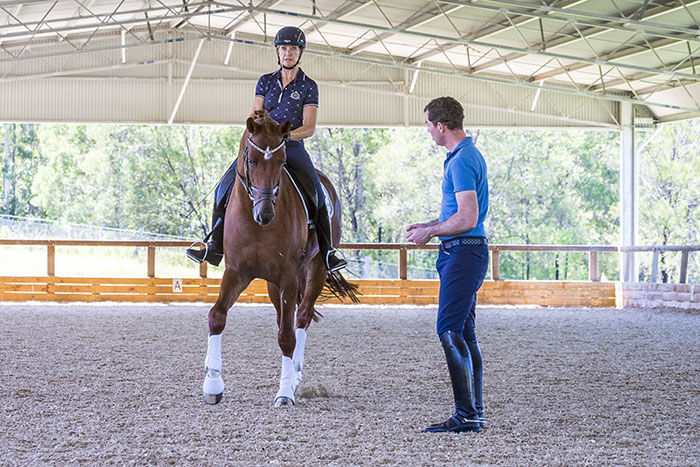
Techniques to Improve Mental Focus During Training
There are several practical methods riders can use to boost their mental clarity and maintain attention throughout a session. Here are some proven approaches:
1. Set Clear, Achievable Goals
Begin each ride with a specific objective. Instead of trying to improve everything at once, focus on one or two elements, such as transitions or straightness. This narrows your attention and makes it easier to track progress.
2. Practice Mindfulness and Breathing Exercises
Mindfulness techniques help riders stay grounded in the present moment. Simple breathing exercises before mounting or during breaks can calm nerves and reset your mind. Try inhaling deeply for four counts, holding for four, and exhaling for four to steady your focus.
3. Develop Pre-Ride Rituals
Establishing a consistent routine before each session signals to your mind and body that it’s time to concentrate. This could include grooming your horse, visualizing your ride, or reviewing your plan. Rituals create a sense of familiarity and control, reducing anxiety and distractions.
4. Use Visualization Techniques
Many top riders use visualization to mentally rehearse their tests or training exercises. Picture yourself riding each movement with precision and confidence. This mental practice can enhance muscle memory and prepare you for real-life execution.
5. Embrace Positive Self-Talk
Replace negative thoughts with constructive affirmations. Instead of focusing on what could go wrong, remind yourself of your strengths and past successes. Positive self-talk builds resilience and keeps you motivated, even when challenges arise.
Building Focus in Competition Settings
Maintaining concentration in the show ring presents unique challenges. The pressure of judges, spectators, and unfamiliar environments can test even the most seasoned rider’s composure. Here are some strategies to help you stay mentally sharp during competitions:
- Arrive early to acclimate yourself and your horse to the surroundings
- Stick to your established pre-ride rituals
- Use brief moments before entering the arena to center your breathing and recall your goals
- Focus on the process, not just the outcome—ride each movement as it comes
Remember, every rider experiences nerves. The key is to acknowledge them, then redirect your attention to the task at hand.
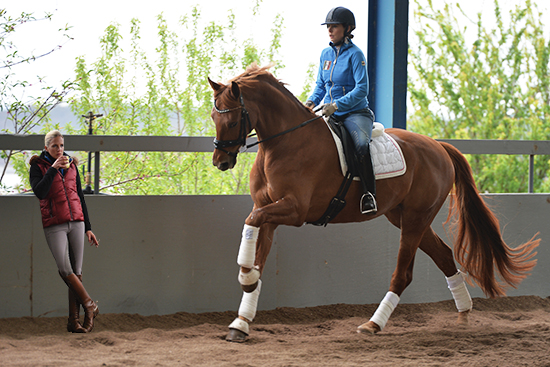
Supporting Your Horse’s Concentration
Just as riders must cultivate focus, horses also benefit from mental training. A distracted or anxious horse can struggle to perform at their best. Here’s how you can help your equine partner stay attentive:
- Keep sessions short and varied to prevent boredom
- Reward attentive behavior with praise or a gentle pat
- Gradually introduce new environments or challenges to build confidence
- Stay calm and consistent with your aids, as horses often mirror their rider’s emotions
Building a strong partnership based on trust and understanding will help both you and your horse stay engaged and focused during training and competition.
Learning from Experts and Further Resources
Many professional riders and trainers emphasize the importance of mental skills alongside physical training. If you’re new to the discipline or want to deepen your understanding, consider exploring resources such as this comprehensive introduction to dressage and how to get started. These guides often include tips on mindset, preparation, and building a foundation for long-term success.
Additionally, understanding the differences in riding standards and equipment can further support your journey. For example, learning about the difference between UK and US riding standards can help you adapt your approach if you compete or train internationally.
Frequently Asked Questions
How can I stay focused during a long dressage test?
Break the test into smaller sections and focus on riding one movement at a time. Use breathing techniques between movements to reset your mind, and avoid dwelling on any mistakes—move forward with each new element.
What should I do if I get nervous before entering the arena?
Develop a pre-ride routine that calms your nerves, such as deep breathing, visualization, or listening to calming music. Arriving early and spending quiet time with your horse can also help you feel more grounded and prepared.
Can improving my mental focus help my horse perform better?
Absolutely. Horses are highly sensitive to their rider’s emotions and attention. When you are calm, clear, and focused, your horse is more likely to relax and respond positively to your aids, resulting in better communication and performance.
Conclusion
Sharpening your mental focus in dressage training is a powerful way to enhance both your own performance and your horse’s responsiveness. By incorporating mindfulness, goal-setting, and positive routines into your practice, you can overcome common distractions and build a stronger partnership. Remember, mental skills are developed over time—be patient with yourself and celebrate progress along the way.