

Riding in low-light conditions, whether during early morning, dusk, or in foggy weather, presents unique safety challenges. Visibility is often reduced, making it harder for others to see riders on the road or trail. One practical solution that has gained popularity among equestrians and cyclists alike is the use of helmets equipped with reflective piping. This simple feature can make a significant difference in rider safety and comfort.
Understanding the benefits of reflective piping on helmets helps riders make informed decisions about their gear. Enhanced visibility, improved safety, and increased confidence are just a few of the advantages. For those looking to optimize their riding experience, especially in less-than-ideal lighting, this guide explores why reflective details matter and how they contribute to a safer journey.
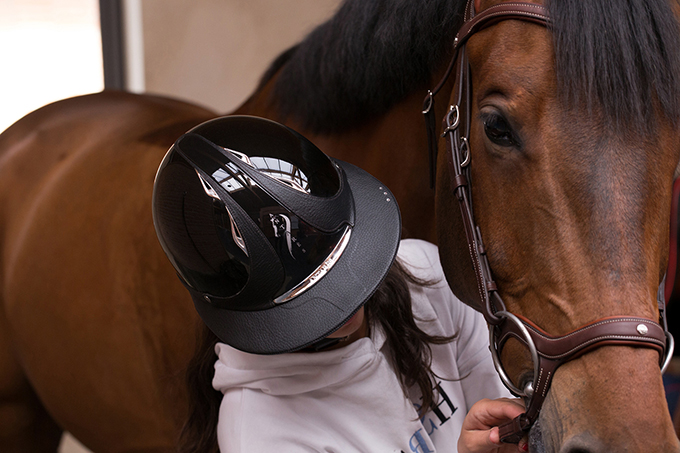
Choosing the right helmet is about more than just fit and comfort. Features like reflective piping can be just as crucial as the helmet’s construction. For riders interested in a comprehensive approach to safety, learning how to find the right riding helmet for your head shape ensures both protection and visibility are maximized.
Why Visibility Matters in Low-Light Conditions
Reduced lighting conditions increase the risk of accidents for riders. Motorists, cyclists, and even other riders may not easily spot someone without adequate reflective gear. Helmets with reflective piping offer a proactive way to address this risk. The reflective material catches and bounces back light from headlights, street lamps, or even the sun at low angles, making the rider’s head more noticeable from a distance.
Unlike high-visibility vests or large reflective panels, piping is subtle and integrated into the helmet’s design. It provides a continuous outline that highlights the shape of the helmet, ensuring visibility from multiple angles. This is especially important for riders who may be moving through areas with varying light sources or unpredictable weather.
Key Advantages of Reflective Helmet Features
Adding reflective piping to helmets is not just a trend; it’s a practical enhancement with several important benefits:
- Increased Safety: The most significant advantage is the reduction in accident risk. Reflective piping makes it easier for others to see the rider, especially in situations where visibility is compromised.
- 360-Degree Visibility: Unlike stickers or patches, piping often runs around the entire helmet. This ensures the rider is visible from the front, back, and sides, providing all-around protection.
- Low Maintenance: Reflective materials are durable and require minimal care. They don’t wear off easily and continue to perform in wet or dirty conditions.
- Style and Subtlety: For those who prefer not to wear bright, neon gear, reflective piping offers a discreet way to stay safe without compromising on style.
- Peace of Mind: Knowing that your helmet increases your visibility can boost confidence, allowing you to focus more on your ride and less on potential hazards.

How Reflective Piping Works
Reflective piping is made from materials that are engineered to reflect light efficiently. These materials use tiny glass beads or micro-prisms embedded in a flexible strip, which is then sewn or bonded onto the helmet. When light hits the piping, it is reflected back toward the source, making the helmet appear to glow in the dark or in dim conditions.
This technology is similar to what is used in road signs and safety vests, but adapted for the contours and aesthetics of riding helmets. The placement of the piping is carefully chosen to maximize visibility without interfering with the helmet’s protective functions or comfort.
Comparing Reflective Piping to Other Visibility Solutions
There are several ways riders can improve their visibility, but not all methods are equally effective or convenient. Here’s how reflective piping stacks up against other options:
| Visibility Solution | Advantages | Drawbacks |
|---|---|---|
| Reflective Piping | Integrated, 360-degree visibility, low maintenance | Dependent on helmet design |
| Reflective Stickers | Customizable, inexpensive | May peel off, limited coverage |
| High-Visibility Vests | Large surface area, highly visible | Can be bulky, less stylish |
| Helmet Lights | Active lighting, visible in total darkness | Requires batteries, may add weight |
While each solution has its place, reflective piping offers a balance of effectiveness, durability, and aesthetics. It is particularly useful for riders who want to enhance their safety without adding extra gear or maintenance tasks.
Integrating Reflective Features with Other Helmet Technologies
Modern helmets often combine several safety features for comprehensive protection. For example, some helmets include advanced impact protection systems, such as MIPS, which can help reduce rotational forces during a fall. Riders interested in learning more about these innovations can read about the advantages of the MIPS system in horse riding helmets.
Combining reflective piping with other safety technologies ensures that riders are not only more visible but also better protected in the event of an accident. This holistic approach to helmet design reflects the evolving needs of today’s riders.

Tips for Choosing and Maintaining a Helmet with Reflective Piping
When shopping for a new helmet, consider the following tips to ensure you get the most out of reflective features:
- Look for helmets with continuous piping around the entire shell for maximum visibility.
- Check that the reflective material is securely attached and won’t peel or fray easily.
- Choose a helmet that fits well and meets recognized safety standards. For more guidance, see the impact of age on helmet protective foam to know when it’s time to replace your gear.
- Clean reflective surfaces gently with a damp cloth to maintain their effectiveness.
- Store your helmet away from direct sunlight when not in use, as prolonged UV exposure can degrade reflective materials over time.
Additional Ways to Stay Safe While Riding in Low Light
While reflective piping is a valuable safety feature, it should be part of a broader approach to visibility and protection. Here are some additional strategies:
- Wear light-colored or reflective clothing to increase your overall visibility.
- Use lights or LED bands on your body or tack for active lighting.
- Plan routes that are well-lit and have less traffic during low-light hours.
- Ride with a companion whenever possible for added safety.
- Regularly inspect your helmet and other gear for wear and tear.
Staying informed about the difference between UK and US riding standards can also help riders choose equipment that meets the highest safety benchmarks.
Frequently Asked Questions
How does reflective piping improve rider safety?
Reflective piping enhances safety by making the rider more visible to others in low-light conditions. The material reflects light from sources like headlights, helping drivers and other riders spot the helmet from a greater distance and from multiple angles.
Is reflective piping as effective as wearing a high-visibility vest?
While high-visibility vests offer a larger reflective area, piping on helmets provides continuous, 360-degree visibility at head level. The best approach is to combine both for maximum safety, but reflective piping alone significantly improves your chances of being seen.
Does reflective piping affect the comfort or fit of a helmet?
No, quality helmets are designed so that reflective piping does not interfere with comfort, fit, or protective features. The piping is typically lightweight and integrated into the helmet’s outer shell or seams.
How do I maintain the reflective features on my helmet?
Clean the reflective areas gently with a soft, damp cloth and avoid abrasive cleaners. Store your helmet away from direct sunlight to prevent the material from fading or degrading over time.
Conclusion
Reflective piping on helmets is a straightforward yet highly effective way to boost rider safety in low-light environments. By increasing visibility, reducing accident risks, and integrating seamlessly with other safety technologies, this feature supports a safer and more confident riding experience. Riders who prioritize both protection and visibility will find that helmets with reflective piping are a smart investment for every season and setting.