

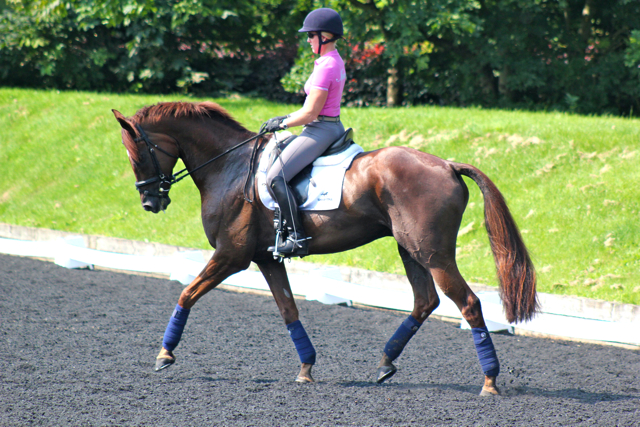
Dressage is a discipline that emphasizes precision, harmony, and communication between horse and rider. To achieve success in this sport, having the right gear is crucial. Whether you are just starting out or looking to refine your setup, understanding what constitutes essential dressage training equipment will help you create a safe, effective, and comfortable environment for both you and your horse.
From saddles and bridles to grooming tools and safety gear, each piece of equipment plays a specific role in supporting proper training. This guide explores the must-have items, explains their importance, and offers practical advice for making informed choices. If you are also interested in rider safety, you may want to learn more about how to find the right riding helmet for your head shape to complement your dressage setup.
Core Items for Dressage Training Success
At the heart of every dressage program are a few fundamental pieces of equipment. These items are designed to promote clear communication, maintain the horse’s comfort, and ensure the safety of both horse and rider. Investing in quality gear not only enhances performance but also supports the long-term well-being of your equine partner.
- Dressage Saddle: A well-fitted saddle is vital. Dressage saddles are designed with a deeper seat and longer flaps to allow for a balanced, upright position. This encourages close contact and precise aids.
- Bridle and Bit: The bridle should fit comfortably and allow for subtle cues. Common bits include the snaffle for lower levels and the double bridle for advanced work.
- Girth: A dressage girth is typically shorter than those used in jumping, as it attaches to longer billets. It should be padded and shaped to avoid pinching.
- Stirrups and Leathers: Lightweight, adjustable stirrups and durable leathers help maintain proper leg position and security.
For those new to the sport, understanding what dressage is and how to get started can provide valuable context for selecting the right gear.
Protective and Comfort Equipment for Horse and Rider
Ensuring the comfort and safety of both horse and rider is a top priority in dressage. The following items are considered indispensable for daily training and competition:
- Saddle Pad: A contoured, moisture-wicking pad protects the horse’s back and helps keep the saddle in place.
- Leg Protection: While not always required, boots or wraps can shield the horse’s legs from knocks during lateral work or schooling sessions.
- Rider Safety Gear: Approved helmets and gloves are strongly recommended. For more on safety, see our article on the importance of a secure helmet retention system.
- Hoof Care: Regular hoof maintenance is essential. Using products like balms can help maintain hoof health, especially during intense training.
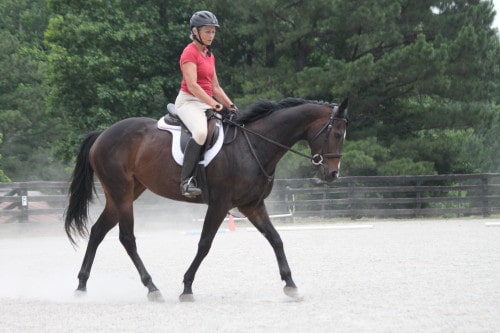
Additional Tools to Enhance Dressage Practice
While the basics are non-negotiable, several additional items can further support your training routine. These tools help refine technique, monitor progress, and keep your horse in top condition:
- Training Aids: Items such as side reins, lunging cavessons, and surcingles can be used judiciously to encourage correct movement and balance during groundwork.
- Markers and Cones: Dressage letters and arena markers help riders practice accurate figures and transitions, which are key to successful tests.
- Grooming Supplies: Regular grooming keeps the horse comfortable and allows you to check for injuries or soreness. Essential items include brushes, hoof picks, and mane combs.
- Fly Protection: Fly masks and sprays can make summer training sessions more comfortable for your horse.
Remember, each horse is unique. Adjust your equipment choices based on your horse’s conformation, temperament, and training level.
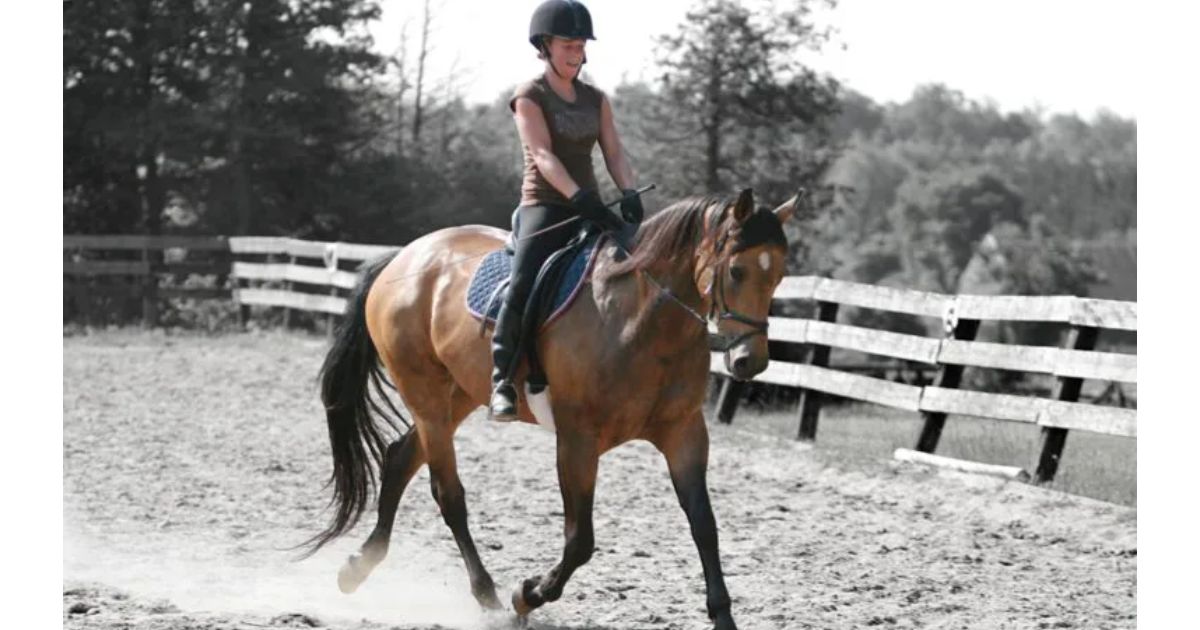
Choosing the Right Dressage Gear for Your Needs
With so many options available, selecting the most suitable dressage equipment can feel overwhelming. Here are some practical tips to guide your decisions:
- Fit is Paramount: Ill-fitting saddles or bridles can cause discomfort and hinder performance. Always prioritize fit for both horse and rider.
- Quality Over Quantity: Invest in fewer, higher-quality items rather than accumulating unnecessary gear. Well-made equipment lasts longer and offers better support.
- Consult Professionals: Work with a qualified saddle fitter or trainer to ensure your setup is appropriate for your goals and your horse’s needs.
- Stay Informed: Keep up with advances in tack design and safety standards. For example, understanding the difference between UK and US riding standards can influence your equipment choices if you compete internationally.
Maintaining and Caring for Your Dressage Equipment
Proper maintenance extends the life of your gear and ensures ongoing safety and comfort. Here’s how to keep your essentials in top condition:
- Regular Cleaning: Wipe down leather items after each use and deep clean weekly. Use appropriate cleaners and conditioners to prevent cracking.
- Inspect for Wear: Check stitching, buckles, and straps regularly. Replace any worn or damaged parts promptly.
- Store Correctly: Keep tack in a dry, cool place. Use saddle racks and bridle hooks to maintain shape and prevent warping.
- Wash Pads and Wraps: Clean saddle pads, wraps, and boots frequently to avoid buildup of sweat and dirt, which can cause irritation.
By taking the time to care for your equipment, you protect your investment and ensure your horse’s comfort every ride.
Frequently Asked Questions
- What is the most important piece of dressage equipment for beginners?
- The most crucial item is a properly fitted dressage saddle. It provides the foundation for correct rider position and effective communication with the horse. Pairing this with a comfortable bridle and a well-padded girth ensures a good start.
- How often should I replace my dressage tack?
- Replacement depends on usage and care. High-quality leather tack can last many years with regular maintenance. Inspect your gear frequently for signs of wear, especially stitching and buckles, and replace items as needed to maintain safety.
- Are training aids necessary for dressage?
- Training aids like side reins or lunging equipment can be helpful for specific exercises, especially during groundwork. However, they should be used under professional guidance to avoid misuse and ensure they benefit the horse’s development.
Equipping yourself and your horse with the right gear is a key step toward achieving harmony and progress in dressage. By focusing on quality, fit, and regular care, you set the stage for safe, enjoyable, and effective training sessions.