

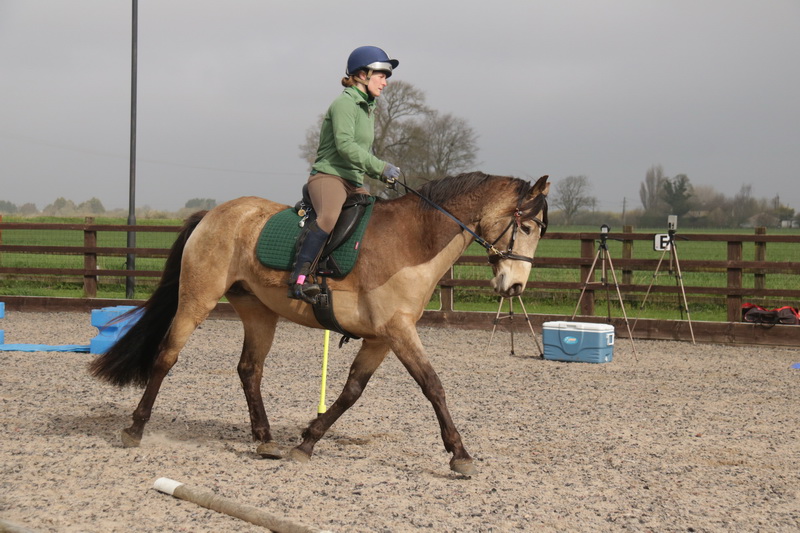
Dressage is often described as the art of riding and training a horse in a manner that develops obedience, flexibility, and balance. For riders and enthusiasts, understanding dressage scoring system principles is crucial to interpreting results, setting goals, and improving performance. Whether you are new to the sport or looking to refine your knowledge, this guide will clarify how scores are determined, what judges look for, and how you can use this information to progress in your dressage journey.
Before diving into the details, it’s helpful to recognize that dressage scoring is designed to be objective, rewarding precision, harmony, and the correct execution of movements. Riders are evaluated on both the technical accuracy of each movement and the overall impression they create with their horse. If you’re also interested in other aspects of equestrian safety, you might want to read about how to find the right riding helmet for your head shape to ensure you’re protected in the saddle.
How Dressage Tests Are Structured
A dressage test consists of a series of prescribed movements performed in a specific order. Each movement is assigned a separate score by the judge, who evaluates the horse and rider’s performance based on established criteria. Tests are divided into levels, from introductory and training levels for beginners to advanced tests for experienced competitors.
Each movement in a test is marked on a scale from 0 to 10, with 0 meaning “not executed” and 10 representing “excellent.” The judge records these marks on a score sheet, which also includes comments and feedback. Some movements, known as “coefficients,” are considered especially important and have their scores multiplied, increasing their impact on the final result.
Key Elements Judges Evaluate
To fully grasp the dressage scoring system, it’s important to understand what judges are looking for. The following aspects are considered for each movement and for the test as a whole:
- Accuracy: Was the movement performed at the correct letter and in the right sequence?
- Impulsion: Does the horse move forward energetically and willingly?
- Submission: Is the horse attentive, obedient, and relaxed?
- Rider’s Position: Is the rider balanced, effective, and in harmony with the horse?
- Rhythm and Tempo: Is the horse’s movement regular and consistent?
- Transitions: Are changes between gaits or movements smooth and precise?
At the end of the test, judges also provide collective marks that summarize the overall quality of the performance. These collective marks may include the rider’s position, the horse’s gaits, impulsion, and submission.

Deciphering the Dressage Score Sheet
After completing a test, riders receive a score sheet with individual marks for each movement, collective marks, and comments. Here’s how to interpret the main components:
- Movement Scores: Each movement is scored from 0 to 10. A score of 6 is considered satisfactory, while 7 or 8 indicates good or very good execution.
- Coefficients: Some movements are multiplied by 2 or more, reflecting their importance in the test.
- Collective Marks: These scores summarize the overall impression, including the horse’s gaits, impulsion, submission, and the rider’s effectiveness.
- Judge’s Comments: Feedback is provided for both individual movements and overall performance, offering valuable insights for improvement.
The total points earned are divided by the maximum possible points, then multiplied by 100 to give a percentage. This percentage is the final score, which determines the rider’s placing in the competition.
Common Scoring Terms and What They Mean
Dressage tests often include specific terminology on the score sheet. Here are some common terms and their meanings:
| Term | Meaning |
|---|---|
| Rhythm | Regularity and tempo of the horse’s movement |
| Impulsion | Forward energy and engagement from the hindquarters |
| Submission | Willingness to accept the rider’s aids and remain relaxed |
| Accuracy | Precision in performing movements at the correct markers |
| Harmony | Overall partnership and communication between horse and rider |
Tips for Improving Your Dressage Scores
Improving your results in dressage requires attention to detail, consistent practice, and a willingness to learn from feedback. Here are some practical tips to help you make progress:
- Review your score sheets carefully and focus on areas where you consistently lose marks.
- Work with a qualified instructor who understands the nuances of dressage scoring and can help you address weaknesses.
- Practice test riding at home, paying close attention to accuracy and transitions.
- Film your rides and compare them to top performances to spot areas for improvement.
- Read resources like this comprehensive introduction to dressage and how to get started to deepen your understanding of the sport.
Remember, progress in dressage is gradual. Consistent effort and a clear grasp of how the scoring system works will help you set achievable goals and celebrate your improvements over time.

Common Mistakes and How to Avoid Them
Even experienced riders can lose points due to avoidable errors. Here are some frequent mistakes and strategies to prevent them:
- Inaccurate Figures: Make sure circles, serpentines, and diagonals are the correct size and shape.
- Late or Early Transitions: Practice transitions so they occur exactly at the designated marker.
- Lack of Preparation: Plan ahead for each movement to maintain flow and rhythm.
- Tension in Horse or Rider: Work on relaxation techniques to keep both you and your horse calm and focused.
- Ignoring Judge’s Feedback: Use judge’s comments as a roadmap for future improvement.
By addressing these areas, you can steadily increase your scores and enjoy a more rewarding dressage experience.
FAQ
What Is a Good Score in Dressage?
A score of 60% or higher is generally considered a solid performance in most levels of dressage. Scores above 65% are viewed as very good, while marks in the 70% range indicate an excellent test. The scoring system is designed to reward accuracy, harmony, and correct execution, so even small improvements can make a significant difference.
How Can I Use My Score Sheet to Improve?
Your score sheet provides detailed feedback on each movement and overall performance. Focus on areas where you receive lower marks, and use the judge’s comments to guide your training. Regularly reviewing your results and setting specific goals based on feedback is one of the best ways to advance in dressage.
Are There Differences in Scoring at Different Levels?
Yes, as you progress through the levels, the movements become more complex and the judging criteria become stricter. At higher levels, judges expect greater precision, impulsion, and collection. It’s important to understand the specific requirements of your test and adjust your training accordingly.
For those interested in how equestrian standards differ internationally, you might also explore the difference between UK and US riding standards for further insight.
Mastering the dressage scoring system is a valuable step for any rider aiming to progress in the sport. By understanding how your performance is evaluated and using feedback constructively, you can set realistic goals and enjoy your journey through the levels of dressage.