

Achieving relaxation in dressage training is a cornerstone of developing a harmonious partnership between horse and rider. When a horse is relaxed, it can move freely, respond to subtle aids, and perform with greater consistency and confidence. For riders, understanding how to foster this state is essential for both progress in the arena and the well-being of their equine partner.
Dressage emphasizes not only technical precision but also the mental and physical comfort of the horse. Riders who prioritize calmness and suppleness often see improvements in rhythm, connection, and overall performance. Early attention to relaxation sets the stage for more advanced movements and helps prevent tension-related issues.

For those new to the discipline, resources like this beginner’s guide to dressage provide helpful context on the foundations of the sport. Additionally, ensuring rider safety and comfort is crucial; for tips on helmet fit, see our article on how to find the right riding helmet for your head shape.
Why Calmness Matters in Dressage
In the context of dressage, a relaxed horse is one that is attentive, supple, and able to perform without resistance. Tension, on the other hand, can lead to stiffness, loss of rhythm, and even behavioral problems. Judges look for horses that move with loose, swinging backs and soft mouths, all signs of a calm mind and body.
When a horse is at ease, it can:
- Accept the rider’s aids with minimal resistance
- Maintain steady rhythm and tempo
- Show elasticity in movement
- Remain focused in new or stressful environments
For riders, cultivating this state requires patience, observation, and a willingness to adapt their approach based on the horse’s feedback.
Signs of Relaxation in the Dressage Horse
Recognizing when a horse is truly relaxed is key to effective training. Some indicators include:
- A soft, swinging tail and back
- Regular, deep breathing
- Chewing the bit gently or softly foaming at the mouth
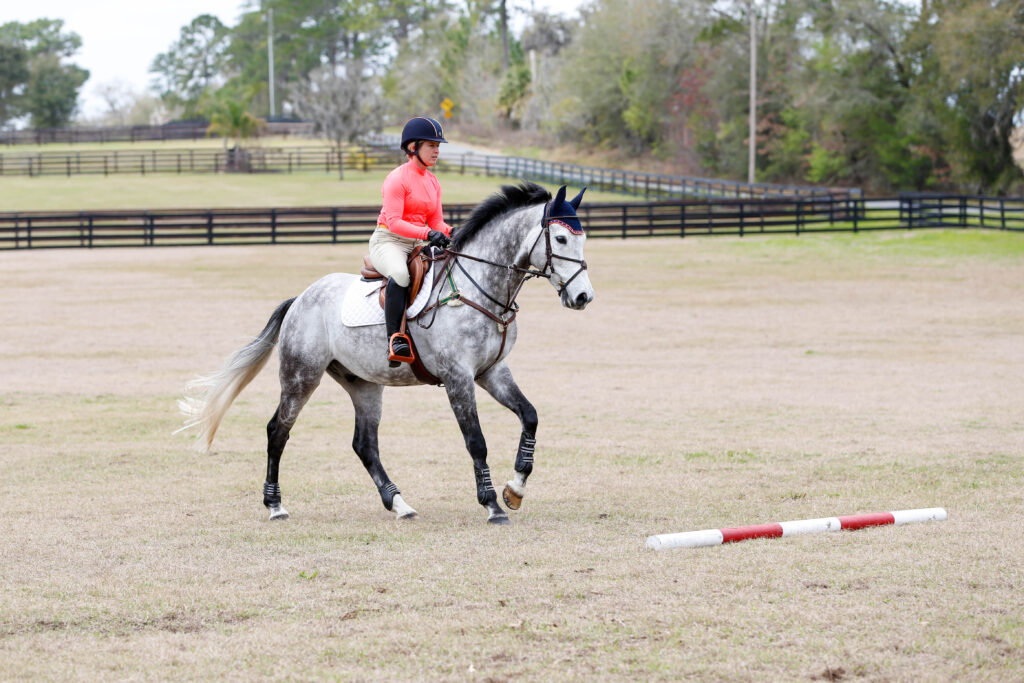
- Lowered neck and poll, with the horse stretching into the contact
- Consistent rhythm and even strides
Conversely, signs of tension may include grinding the teeth, a rigid neck, irregular steps, or a tight, clamped tail. Addressing these early helps prevent them from becoming ingrained habits.
Methods to Encourage Relaxation During Training
There are several effective strategies for promoting a calm, supple horse during schooling sessions:
Establish a Consistent Warm-Up Routine
Begin each ride with a familiar, gentle warm-up. Allow the horse to walk on a loose rein, encouraging stretching and deep breathing. Gradually introduce transitions and changes of direction to loosen the body and focus the mind.
Use Transitions and Lateral Work
Frequent transitions between gaits and within gaits help the horse stay attentive and responsive. Incorporating lateral movements, such as leg yields and shoulder-in, encourages suppleness and helps release tension in the back and neck.
Reward Relaxed Behavior
Positive reinforcement is powerful. When the horse shows signs of calmness—such as lowering the neck or chewing the bit—offer praise, a gentle pat, or a brief walk break. This helps the horse associate relaxation with a positive outcome.
Monitor Rider Position and Aids
A tense rider can inadvertently create tension in the horse. Focus on maintaining a balanced, elastic seat and soft hands. Breathing deeply and staying mentally present can have a calming effect on both horse and rider.
Common Challenges and Solutions
Even experienced riders encounter obstacles when striving for a relaxed, attentive horse. Some common issues include:
- Environmental Distractions: Horses may become tense in new settings or when exposed to loud noises. Gradual exposure and consistent routines help build confidence.
- Physical Discomfort: Ill-fitting tack or underlying health issues can cause resistance. Regularly check saddle fit and consult with a veterinarian if persistent tension occurs.
- Rider Nerves: Horses are sensitive to their rider’s emotions. Practicing mindfulness and relaxation techniques can help both partners stay calm.
For more on how equipment impacts safety and comfort, see our resource on the importance of a secure helmet retention system.
Integrating Relaxation Into Daily Dressage Work
Building a calm, confident horse is a long-term process. Consistency is key—incorporate relaxation-focused exercises into every ride, not just when issues arise. Over time, horses learn to associate work with comfort and security, making them more willing partners.
Some additional tips for daily practice:
- End sessions on a positive, relaxed note whenever possible
- Vary routines to keep the horse mentally engaged
- Allow for frequent walk breaks and stretching
- Listen to the horse’s feedback and adjust expectations as needed
For those interested in the technical aspects of riding gear, our article on the difference between UK and US riding standards offers further insights.
Frequently Asked Questions
How can I tell if my horse is truly relaxed during training?
Look for signs such as a swinging back, steady rhythm, soft chewing of the bit, and a lowered neck. Consistent, deep breathing and a willingness to stretch into the contact are also good indicators. If your horse is tense, you may notice stiffness, irregular steps, or resistance to aids.
What should I do if my horse becomes tense during a dressage session?
If you sense tension, return to basic exercises like walking on a loose rein or performing gentle transitions. Give your horse time to settle, and avoid escalating pressure. Sometimes, a short break or a change of scenery can help reset the horse’s mindset.
Can relaxation be improved through groundwork?
Yes, groundwork can be very effective for promoting calmness. Exercises such as in-hand stretches, lunging with attention to rhythm, and desensitization to new stimuli help the horse develop trust and confidence, which carries over to ridden work.
Does rider equipment affect the horse’s relaxation?
Absolutely. Poorly fitting saddles or bridles can cause discomfort and tension. It’s important to regularly check tack fit and consider the horse’s feedback. For more on helmet fit and safety, see our article on how to measure head circumference for horses.
Conclusion
Fostering relaxation in dressage training is essential for both the horse’s well-being and the rider’s success. By prioritizing calmness, using thoughtful exercises, and remaining attentive to the horse’s needs, riders can build a foundation for progress and enjoyment in the sport. Remember, every horse is unique—patience and consistency are your best tools for developing a willing, relaxed partner in the dressage arena.