

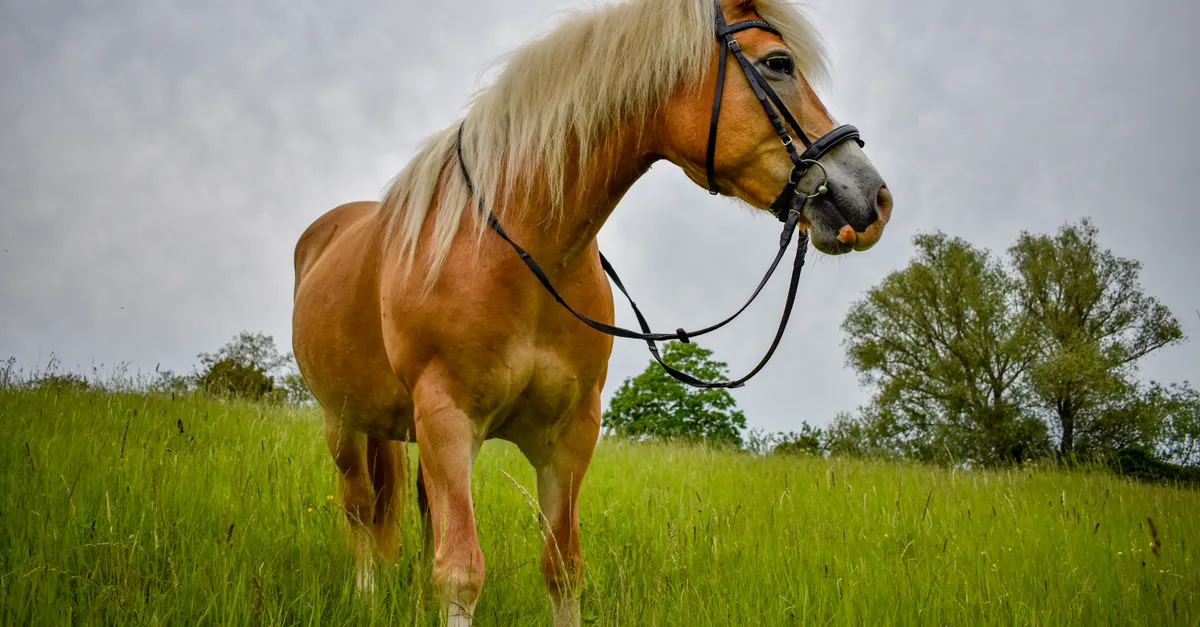
The Haflinger horse is a distinctive and versatile breed known for its golden chestnut coat, sturdy build, and friendly nature. Originating from the mountainous regions of Austria and northern Italy, this breed has a rich history and continues to be cherished for its adaptability and gentle disposition. Whether you are a seasoned equestrian or new to the world of horses, understanding the unique qualities of the Haflinger can help you appreciate why it remains a favorite among riders and breeders worldwide.
In this article, you’ll discover the breed’s origins, physical traits, personality, and the many ways Haflingers are used today. If you’re interested in learning more about grooming or stable care, you may also want to explore resources like best horse brushes for daily maintenance and show preparation.
The Origins and Development of the Haflinger Breed
The story of the Haflinger horse begins in the late 19th century in the Tyrolean mountains, a region that straddles modern-day Austria and Italy. The breed was developed by crossing native mountain ponies with Arabian stallions, resulting in a small, hardy horse capable of navigating rugged terrain. The foundation stallion, 249 Folie, was born in 1874 and is considered the ancestor of all modern Haflingers.
Throughout the 20th century, the breed was refined and standardized, with strict breeding programs ensuring consistency in appearance and temperament. After World War II, Haflingers gained popularity across Europe and eventually spread to North America and beyond. Today, breed registries maintain detailed records to preserve the Haflinger’s unique characteristics and lineage.
Physical Features and Distinctive Appearance
One of the most recognizable features of the Haflinger is its striking golden chestnut coat paired with a light, often flaxen, mane and tail. This coloration is not only beautiful but also a breed standard. Haflingers are compact and muscular, typically standing between 13.2 and 15 hands high (54 to 60 inches at the withers). Their strong build, sloping shoulders, and well-defined withers contribute to their agility and sure-footedness.
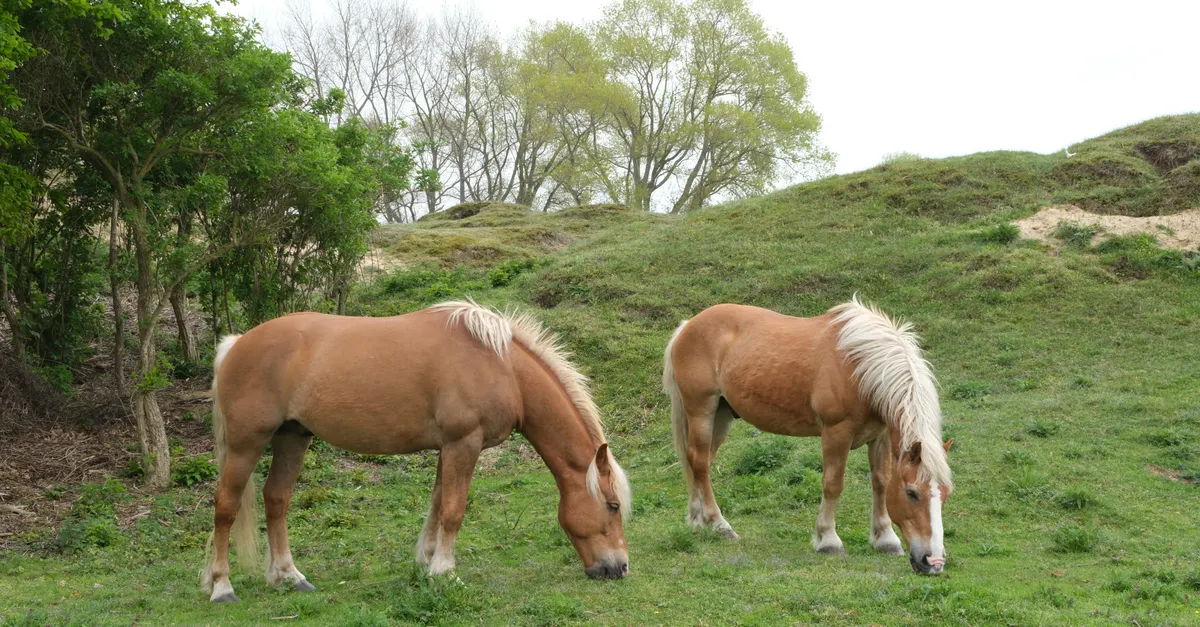
Other notable traits include:
- Head: Refined with expressive eyes and small, alert ears.
- Neck: Medium length, slightly arched, and well-set onto the shoulders.
- Legs: Strong and clean with well-formed joints and hard hooves.
- Movement: Energetic and elastic, with a natural, ground-covering stride.
These physical attributes make Haflingers suitable for a variety of equestrian disciplines, from trail riding to competitive sports.
Temperament and Personality Traits
Beyond their appearance, Haflingers are celebrated for their gentle and willing temperament. They are known to be intelligent, eager to please, and exceptionally patient, making them ideal for riders of all ages and experience levels. Their calm demeanor is particularly valued in therapeutic riding programs and family environments.
Key personality traits include:
- Friendliness: Haflingers are sociable and enjoy human interaction.
- Trainability: Their intelligence and willingness to learn make them easy to train for various tasks.
- Confidence: These horses are generally unflappable, handling new situations with composure.
- Work Ethic: Haflingers are known for their determination and stamina, especially when working in challenging conditions.
For those interested in building a strong bond with their horse, practical advice can be found in guides like horse bonding tips to foster trust and communication.
Common Uses and Versatility of Haflingers
The versatility of the Haflinger is one of its greatest strengths. Originally bred for agricultural work and transportation in mountainous regions, these horses have adapted to a wide range of modern uses. Their manageable size and cooperative nature make them suitable for both children and adults.
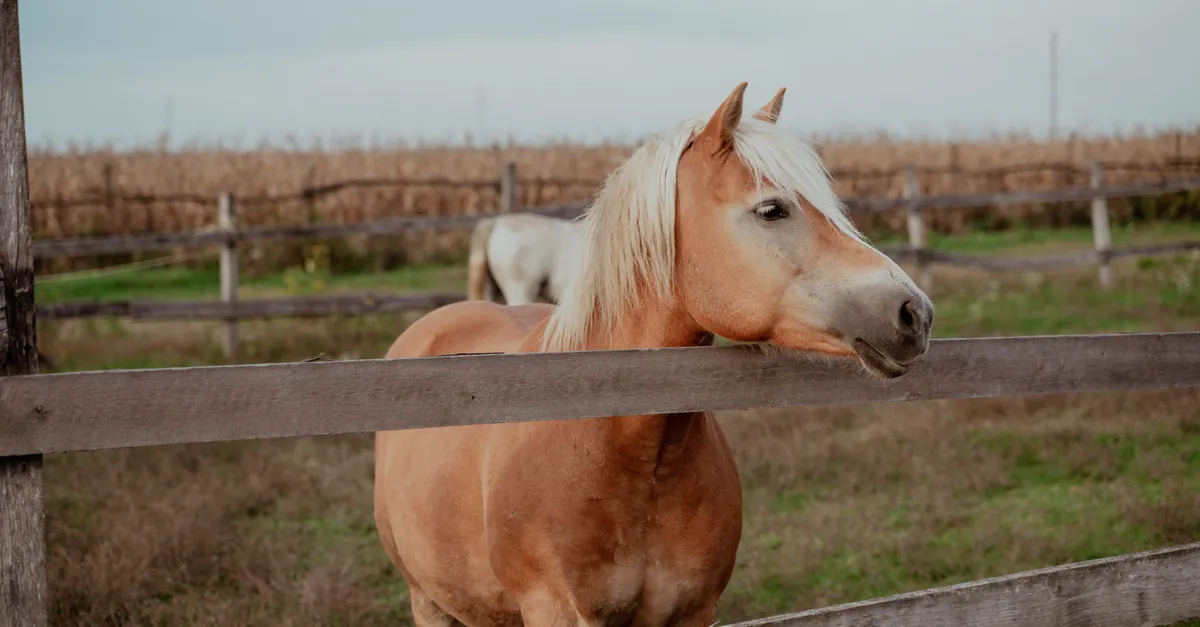
Popular uses for Haflingers include:
- Pleasure Riding: Their smooth gaits and steady temperament make them enjoyable for recreational riding on trails or in arenas.
- Driving: Haflingers excel in harness, pulling carriages and carts for both leisure and competition.
- Therapeutic Riding: Their calm and patient nature is ideal for therapy programs.
- Dressage and Jumping: While not as tall as some sport horses, Haflingers can compete successfully in lower-level dressage and jumping events.
- Work and Agriculture: In some regions, they are still used for light draft work and forestry tasks.
For riders interested in optimizing their Haflinger’s comfort, choosing the best horse saddle pads can enhance performance and well-being during various activities.
Care, Management, and Health Considerations
Like all horses, Haflingers require consistent care to remain healthy and happy. Their robust constitution means they are generally hardy, but attention to diet, exercise, and routine veterinary care is essential. They thrive on a balanced diet of quality forage, supplemented as needed based on workload and age.
Key aspects of Haflinger care include:
- Grooming: Regular brushing keeps their coat and mane in top condition. Using the best horse brushes can make grooming more effective and enjoyable.
- Hoof Care: Strong hooves are a breed hallmark, but routine trimming and inspection are necessary to prevent issues.
- Stable Management: Clean, well-ventilated stables and regular turnout are important for their physical and mental health. For beginners, resources like horse stable management offer valuable guidance.
- Veterinary Care: Annual vaccinations, dental checks, and parasite control help maintain long-term health.
Haflingers are generally free from breed-specific health problems, but like all horses, they can be prone to obesity if overfed, so monitoring their weight and activity level is important.
Breed Recognition and Global Influence
Today, the Haflinger is recognized by breed registries around the world, including the World Haflinger Federation. The breed’s popularity continues to grow, thanks to its adaptability and appealing characteristics. Haflingers are found in over 60 countries, participating in everything from local riding clubs to international competitions.
For a deeper dive into the breed’s history and global impact, the Wikipedia entry on the Haflinger provides a comprehensive overview and additional resources.
Those interested in comparing Haflingers with other breeds can explore detailed breed profiles, such as those found in horse breeds guides, to understand how they stack up in terms of traits, size, and best uses.
Frequently Asked Questions
What makes the Haflinger different from other horse breeds?
The Haflinger stands out due to its unique golden chestnut color, compact size, and friendly temperament. Unlike many other breeds, it combines strength and agility with a gentle, easygoing personality, making it suitable for a wide range of riders and uses.
Are Haflingers good for beginners and children?
Yes, Haflingers are often recommended for beginners and children because of their calm nature, patience, and willingness to learn. Their manageable size and steady disposition make them a safe and enjoyable choice for less experienced riders.
How long do Haflinger horses typically live?
With proper care, Haflingers can live well into their late 20s or even early 30s. Their hardy constitution and lack of major breed-specific health issues contribute to their longevity, provided they receive regular veterinary attention and a balanced diet.
Can Haflingers compete in sports like dressage or jumping?
While they may not reach the heights of some specialized sport breeds, Haflingers are quite capable in lower-level dressage, jumping, and even combined driving events. Their athleticism and willingness to work make them competitive in many disciplines.
The Haflinger horse continues to win hearts with its blend of beauty, strength, and gentle character. Whether for leisure, competition, or work, this breed offers a rewarding partnership for horse enthusiasts of all backgrounds.