


Keeping your synthetic leather riding helmet in top condition is essential for both safety and appearance. Dirt, sweat, and grime can build up over time, affecting the helmet’s look and potentially its performance. With the right approach, you can maintain your helmet’s finish and extend its lifespan. This guide provides a clear, practical process for cleaning synthetic leather riding helmets using simple steps and recommended products.
Before diving into the cleaning routine, it’s important to understand why regular care matters. Synthetic leather is designed to mimic the look and feel of real leather while being more resistant to moisture and easier to maintain. However, it still requires proper cleaning to avoid cracking, fading, or odor buildup. Whether you ride daily or only on weekends, a consistent cleaning schedule will help your helmet stay fresh and functional.
For those interested in helmet fit and safety, you may also want to read about how to find the right riding helmet for your head shape to ensure maximum comfort and protection.
Why Clean Synthetic Leather Helmets Regularly?
Regular maintenance of your helmet is about more than just looks. Sweat, dust, and environmental debris can accumulate on the surface and in the lining. Over time, this buildup can lead to unpleasant odors, skin irritation, and even premature wear of the synthetic leather. By following a routine for synthetic helmet care, you’ll help preserve the helmet’s structure and ensure it continues to offer the protection you need.
- Hygiene: Removing sweat and bacteria keeps the helmet fresh and reduces odor.
- Appearance: Cleaning removes dust and grime, maintaining a professional look.
- Durability: Prevents cracking, fading, and other damage to the synthetic material.
- Safety: A well-maintained helmet is less likely to have hidden damage or compromised materials.
What You’ll Need for Proper Helmet Cleaning
Gathering the right supplies before you start makes the process smoother and more effective. Here’s what you’ll need for cleaning synthetic leather riding helmets:
- Soft microfiber cloths or sponges
- Mild soap or a synthetic leather cleaner
- Warm water
- Soft-bristled brush (optional, for stubborn dirt)
- Clean towel for drying
- Helmet deodorizer or spray (optional for extra freshness)
Avoid harsh chemicals, abrasive pads, or strong detergents, as these can damage the synthetic finish. Always check the manufacturer’s care instructions before applying any product.
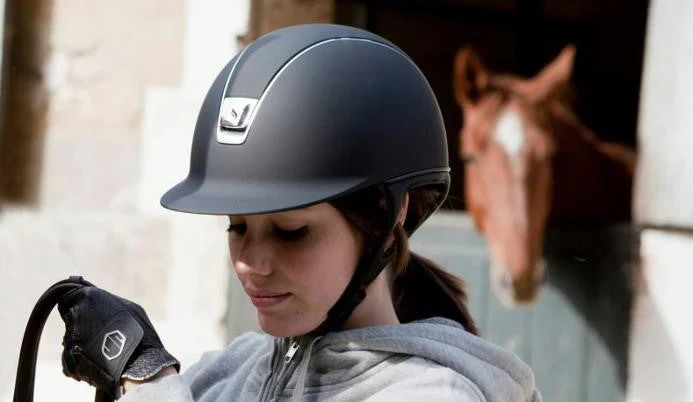
Step-by-Step Guide to Cleaning Your Synthetic Helmet
Follow these steps to ensure your helmet stays in great shape:
-
Remove Loose Dirt and Debris
Use a dry microfiber cloth to gently wipe away dust and loose dirt from the helmet’s surface. Pay attention to seams and ventilation areas where grime can collect. -
Prepare a Cleaning Solution
Mix a small amount of mild soap with warm water, or use a cleaner specifically designed for synthetic leather. Avoid soaking the helmet—damp, not wet, is the goal. -
Wipe Down the Exterior
Dip a clean cloth or sponge into the solution, wring it out well, and gently wipe the helmet’s surface. For stubborn spots, use a soft-bristled brush with light pressure. -
Clean the Straps and Lining
If your helmet has removable liners, take them out and wash according to the manufacturer’s instructions. For non-removable liners, use a slightly damp cloth to wipe the interior. Clean the straps with mild soap and water, then pat dry. -
Rinse and Dry
Wipe the helmet with a clean, damp cloth to remove any soap residue. Dry thoroughly with a towel, then allow the helmet to air dry completely before storing or wearing. -
Optional: Deodorize
For extra freshness, use a helmet deodorizer spray or place a moisture-absorbing packet inside the helmet between uses.
Tips for Maintaining Synthetic Leather Helmets
Consistent care will help your helmet last longer and perform better. Here are some practical maintenance tips:
- Store your helmet in a cool, dry place away from direct sunlight.
- Avoid leaving your helmet in a hot car or damp tack room, as extreme temperatures and humidity can damage synthetic materials.
- Use a helmet bag or cover to protect from dust and scratches during transport.
- Inspect your helmet regularly for signs of wear, including cracks, loose stitching, or faded areas.
- Replace your helmet after any significant impact, even if no damage is visible.
For more on helmet safety and when to consider a replacement, see this guide on the impact of age on helmet protective foam.
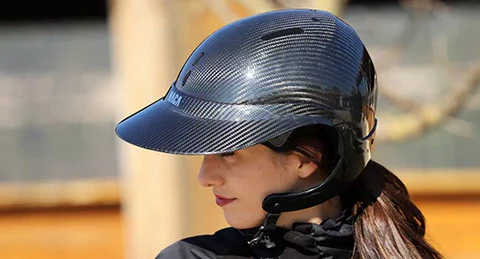
Common Mistakes to Avoid When Caring for Your Helmet
Even with the best intentions, it’s easy to make mistakes that can shorten the life of your helmet. Here are a few things to watch out for:
- Using harsh cleaners: Strong chemicals can break down synthetic leather and adhesives.
- Soaking the helmet: Excess moisture can seep into the liner and padding, leading to mold or mildew.
- Skipping regular cleaning: Allowing sweat and grime to build up makes cleaning harder and can cause odors.
- Storing while damp: Always let your helmet dry completely to prevent bacteria and odor.
- Ignoring fit and safety: If cleaning reveals cracks or damage, consider replacing your helmet for continued protection.
For more information on helmet retention and safety, check out the article on the importance of a secure helmet retention system.
Advanced Helmet Care: Technology and Upgrades
Modern riding helmets often feature advanced safety technology and materials. If you’re interested in the latest protective features, such as MIPS (Multi-directional Impact Protection System), you can learn more from this comprehensive overview of MIPS helmet technology. While cleaning routines remain similar, always follow specific care recommendations for helmets with advanced features to avoid damaging internal components.
Frequently Asked Questions
How often should I clean my synthetic leather riding helmet?
It’s best to wipe down your helmet after every ride to remove sweat and dust. A deeper clean should be done every few weeks or whenever you notice visible dirt or odors. Regular cleaning helps maintain hygiene and prolongs the life of the helmet.
Can I use regular household cleaners on my helmet?
No, avoid using harsh household cleaners, bleach, or abrasive products. These can damage the synthetic leather and compromise the helmet’s structure. Stick to mild soap or a cleaner specifically designed for synthetic materials.
What should I do if my helmet gets soaked in the rain?
If your helmet gets wet, dry it thoroughly with a towel and allow it to air dry completely in a well-ventilated area. Do not use direct heat sources like hair dryers or radiators, as high heat can warp the helmet and damage the synthetic leather.
Conclusion
Maintaining your helmet is a straightforward process that pays off in comfort, appearance, and safety. By following these easy steps and avoiding common mistakes, you’ll ensure your gear stays in excellent condition for years to come. For more tips on fit, measurement, and safety standards, explore related guides such as how to measure head circumference for horses and the difference between UK and US riding standards. With the right care, your synthetic leather helmet will continue to serve you well on every ride.