

The difference between UK and US riding standards is a topic of ongoing interest for equestrians, trainers, and safety advocates worldwide. While both countries share a deep-rooted passion for horse riding, their approaches to safety, training, and competition have evolved along distinct paths. Understanding these distinctions is essential for riders who travel, compete internationally, or simply want to make informed choices about their own riding practices.
This article explores the key aspects that set British and American riding standards apart, including safety regulations, helmet requirements, competition rules, and cultural influences. Whether you’re a seasoned rider or just starting out, knowing these differences can help you navigate the equestrian world with greater confidence and awareness.
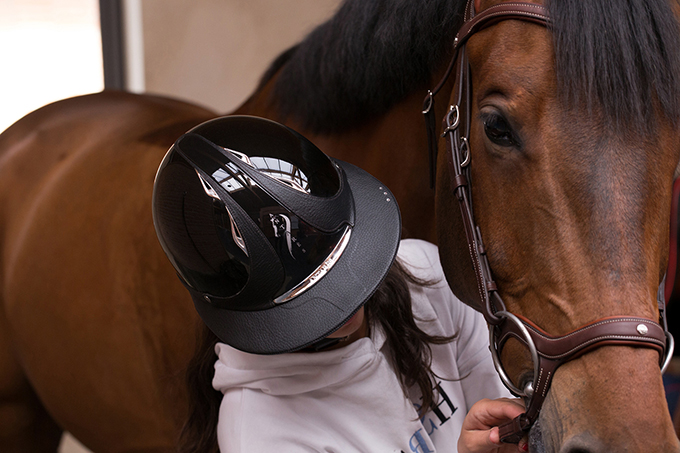
For those interested in the specifics of helmet selection for different disciplines, our guide on how to choose a helmet for eventing offers practical advice on safety across all three phases of competition.
Key Differences in Safety Regulations
One of the most significant contrasts between the UK and US riding environments lies in their respective safety standards. The British Equestrian Trade Association (BETA) and the British Horse Society (BHS) set rigorous safety benchmarks in the UK, particularly regarding protective equipment. In contrast, the United States Equestrian Federation (USEF) and other regional bodies oversee American standards, which can vary more widely by state and discipline.
- Helmet Standards: In the UK, helmet use is strictly enforced at most levels of competition and riding schools. Helmets must meet standards such as PAS015, VG1, or ASTM F1163. In the US, ASTM/SEI certification is the primary requirement, but enforcement can be less consistent outside of recognized competitions.
- Body Protectors: The UK places a strong emphasis on body protectors, especially for eventing and cross-country. While these are recommended in the US, their use is not as universally mandated.
- Insurance and Liability: British riders often benefit from comprehensive insurance policies that require adherence to strict safety protocols. American riders may encounter more variability in insurance requirements and liability coverage.
Approaches to Training and Instruction
Instructional methods also reflect the difference between UK and US riding standards. The UK has a long tradition of formalized training, with instructors certified through organizations like the BHS. This system ensures a consistent approach to teaching, safety, and horse welfare.
In the US, while there are reputable certification programs, the pathway to becoming an instructor is less centralized. This can lead to a broader range of teaching styles and philosophies, from classical dressage to Western riding techniques.
- UK: Structured syllabi, standardized testing, and ongoing professional development are hallmarks of British instruction.
- US: Greater diversity in teaching backgrounds, with some instructors specializing in disciplines like reining, barrel racing, or hunter/jumper.
Competition Rules and Discipline Variations
Another area where the difference between UK and US riding standards becomes evident is in competition formats and rules. While both countries host international events governed by the FEI, their national competitions often differ in structure and emphasis.
- Show Jumping: British show jumping tends to focus on technical courses and precise riding. In the US, there is a strong tradition of hunter classes, which prioritize style and form as much as speed and accuracy.
- Eventing: The UK is known for its challenging cross-country courses and strict safety requirements. US eventing also values safety but may feature different course designs and qualification standards.
- Western Disciplines: Unique to the US are Western riding events such as reining, cutting, and barrel racing, which are not commonly found in the UK.

Helmet Technology and Certification
Helmet safety is a critical component of riding standards in both countries, but the specifics of certification and technology can differ. In the UK, helmets must meet at least one of several stringent standards, and many riders opt for models that exceed the minimum requirements. The US also requires certified helmets for most competitions, but the range of accepted standards is narrower.
Modern helmet technology, such as the MIPS system, is gaining popularity in both countries. For a deeper look at the benefits of advanced helmet liners, see our article on the benefits of shock-absorbing liners in modern riding helmets.
For those interested in the latest innovations, learning about the advantages of the MIPS system in equestrian helmets can help riders make informed decisions about their safety gear.
Cultural Influences on Riding Practices
The cultural context in which riding develops also shapes the standards and expectations in each country. In the UK, equestrian sports are deeply connected to tradition, with a strong emphasis on turnout, etiquette, and classical riding forms. American riding culture is more diverse, reflecting the country’s vast geography and varied equestrian communities.
- UK: Traditional attire, formal competitions, and a focus on horsemanship are central to British riding culture.
- US: A blend of English and Western disciplines, regional events, and a spirit of innovation characterize American riding.

Equipment and Attire: UK vs US
Riding equipment and attire further highlight the distinctions between British and American standards. In the UK, riders are often required to wear specific clothing and tack, especially in formal competitions. This includes jackets, breeches, tall boots, and approved helmets. In the US, attire can vary widely depending on the discipline, with Western riders opting for jeans, cowboy boots, and Western hats, while English riders follow a dress code similar to the UK.
- UK: Strict dress codes for competitions, with penalties for non-compliance.
- US: Greater flexibility in attire, especially in local or regional events.
Frequently Asked Questions
Are helmet requirements stricter in the UK or the US?
Helmet regulations are generally stricter in the UK, with mandatory use and a broader range of accepted safety standards. In the US, helmet use is required in most competitions but may not be enforced as rigorously in all settings.
What are the main differences in riding instruction?
The UK relies on a centralized certification system for instructors, ensuring consistent teaching and safety practices. The US offers more varied pathways, resulting in a wider range of instructional styles and philosophies.
How do competition formats differ between the two countries?
British competitions often emphasize technical skill and tradition, while American events may focus more on style, speed, or unique disciplines like Western riding. Each country has its own set of rules and expectations for riders and horses.
Conclusion
Recognizing the difference between UK and US riding standards is essential for anyone involved in the equestrian world. From safety regulations and helmet technology to training methods and cultural traditions, these distinctions shape the riding experience on both sides of the Atlantic. By staying informed and embracing best practices from each system, riders can enhance their safety, skills, and enjoyment of the sport.