

Choosing the right helmet is essential for every equestrian, whether you’re a beginner or an experienced rider. A well-fitted helmet not only provides comfort but is also a critical safety measure. One of the most important steps in this process is accurately measuring your head circumference. This guide will walk you through the correct way to measure, explain why it matters, and offer practical tips for ensuring your helmet fits perfectly every time.
Understanding how to measure head circumference for horses—or more specifically, for riders selecting helmets—can make a significant difference in both safety and performance. A helmet that fits well can help prevent injuries and ensure you stay focused on your ride. For those interested in eventing or hunter classes, you may also want to learn more about how to choose a helmet for eventing to ensure comprehensive protection across disciplines.
Why Accurate Head Measurement Matters
Getting the right measurement is more than just a matter of comfort. Helmets that are too loose can shift during a fall, reducing their effectiveness, while those that are too tight can cause headaches and distract you from riding. Properly measuring your head ensures that the helmet will sit securely and provide the intended level of protection.
Modern helmets often feature advanced safety technologies, such as MIPS (Multi-directional Impact Protection System), which are designed to reduce rotational forces during impacts. To take full advantage of these features, a precise fit is crucial. For more information on these innovations, visit this overview of MIPS helmets and their benefits.
Tools Needed for Measuring Head Size
Before you begin, gather the following tools:
- Flexible measuring tape: A soft, tailor’s tape is ideal for wrapping around the head.
- Mirror: Helps ensure the tape is level and positioned correctly.
- Pen and paper: To record your measurement for reference when shopping.
If you don’t have a flexible tape, a piece of string and a ruler can be used as an alternative. Just wrap the string around your head, mark the length, and then measure it against the ruler.
Step-by-Step Guide: Measuring Head Circumference for Riding Helmets
Follow these steps to ensure an accurate measurement:
- Position the tape: Place the measuring tape about one inch (2.5 cm) above your eyebrows. This is typically the widest part of your head and the point where the helmet should rest.
- Wrap evenly: Bring the tape around the back of your head, just above the base of your skull, and back to the starting point. Make sure the tape is level all the way around and not twisted.
- Check the fit: The tape should be snug but not tight. It should sit flat against your skin without compressing it.
- Read the measurement: Note the circumference in centimeters or inches, depending on the sizing chart you’ll use.
- Repeat for accuracy: Measure at least twice to ensure consistency. If the numbers differ, take the average.
Understanding Helmet Sizing Charts
Once you have your measurement, consult the sizing chart provided by the helmet manufacturer. Each brand may have slight variations in sizing, so always refer to their specific guidelines. Most charts will list head circumference ranges in centimeters or inches, matched to helmet sizes such as Small, Medium, or Large.
Here’s a typical example of how sizing might look:
| Head Circumference (cm) | Helmet Size |
|---|---|
| 52–54 | Small |
| 55–57 | Medium |
| 58–60 | Large |
| 61–63 | X-Large |
Always double-check the chart for the specific brand and model you’re considering, as some helmets are adjustable while others come in fixed sizes.
Tips for a Proper Helmet Fit
Even with the right measurement, it’s important to assess the fit of the helmet once you try it on. Here are some practical tips:
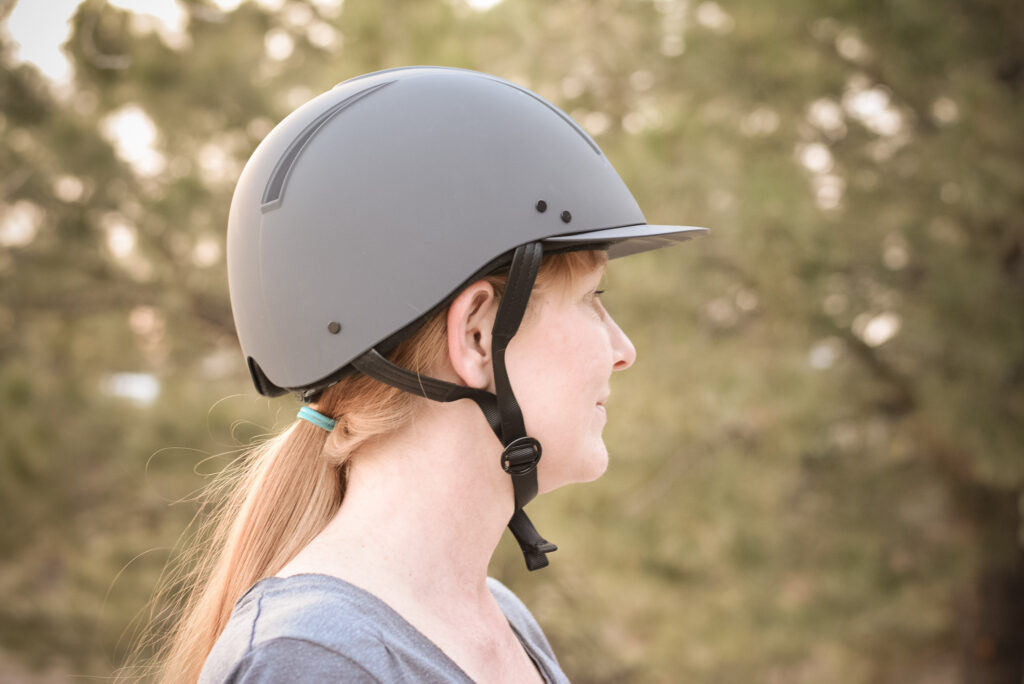
- The helmet should sit level on your head, covering the forehead without tilting backward or forward.
- It should feel snug all around, but not cause discomfort or pressure points.
- When you shake your head gently, the helmet should stay in place without shifting.
- The chin strap should be secure but allow you to open your mouth comfortably.
Many modern helmets offer adjustable dials or padding inserts to fine-tune the fit. If you’re interested in learning more about comfort and safety features, check out the benefits of shock-absorbing liners in today’s helmets.

Common Mistakes When Measuring Head Size
To avoid issues with helmet fit, watch out for these frequent errors:
- Measuring too high or too low on the head, resulting in inaccurate circumference.
- Allowing the tape to twist or become uneven, which can add or subtract centimeters.
- Pulling the tape too tight, leading to a helmet that feels uncomfortable during use.
- Not double-checking the measurement or using the wrong units (inches vs. centimeters).
Taking a few extra moments to measure carefully can save time and frustration in the long run.
When to Re-Measure Your Head Circumference
Head size can change over time due to factors like haircuts, age, or even weight fluctuations. It’s a good idea to re-measure:
- Before purchasing a new helmet
- If you haven’t worn a helmet in a while
- After significant changes in hairstyle or hair volume
- For growing children or teenagers
Regular checks ensure your helmet always fits as intended, maximizing both safety and comfort.
FAQ
What if my head measurement falls between two helmet sizes?
If your measurement is between sizes, opt for the larger size and use adjustment features like padding or dial-fit systems to achieve a snug fit. Trying on both sizes is always recommended to find the most comfortable option.
Can I use the same method to measure children’s head circumference?
Yes, the process is the same for children. Make sure to measure carefully and check the manufacturer’s sizing chart for youth helmets, as sizing ranges may differ from adult models.
How often should I replace my riding helmet?
Helmets should generally be replaced every five years, or sooner if they have been involved in a fall or show visible signs of wear and tear. Regularly re-measuring your head ensures your new helmet will fit correctly.
Conclusion
Accurately measuring your head circumference is the foundation for selecting a safe and comfortable riding helmet. By following these steps and consulting manufacturer sizing charts, you can be confident in your choice. Remember to re-measure periodically and always prioritize safety features when choosing new gear. For more tips on helmet selection and safety, you might also find value in learning about the importance of a breakaway visor for reducing injury risks.