

Maintaining a clean and healthy environment for horses is essential for their well-being, comfort, and performance. Horse grooming sanitation is more than just keeping your horse looking good—it’s about preventing disease, reducing stress, and ensuring a safe, hygienic space for both horse and handler. Whether you’re a seasoned equestrian or just starting out, understanding the fundamentals of proper grooming hygiene can make a significant difference in your horse’s health.
In this guide, we’ll break down the most effective ways to keep your grooming tools, stables, and horses clean. We’ll also cover how to prevent cross-contamination, recognize signs of poor hygiene, and adopt routines that support long-term equine health. If you’re also interested in rider safety, you may want to explore how to find the right riding helmet for your head shape for a comprehensive approach to equestrian care.
Why Cleanliness Matters in Equine Grooming
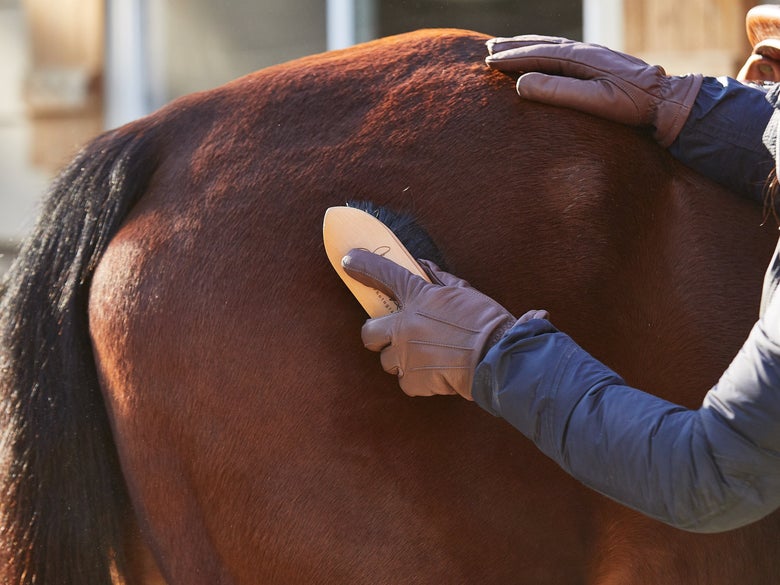
Effective grooming hygiene is a cornerstone of horse care. Dirty tools and unsanitary environments can spread bacteria, fungi, and parasites, leading to skin infections, respiratory issues, and other health problems. Horses with compromised immune systems or those living in close quarters are particularly vulnerable. By prioritizing horse grooming sanitation, you help prevent outbreaks and keep your horse comfortable and healthy.
Sanitary grooming practices also reduce the risk of transferring pathogens between horses, especially in barns with multiple animals. Clean tools and hands are your first defense against the spread of disease.
Essential Steps for Grooming Tool Hygiene
One of the most overlooked aspects of grooming sanitation is the cleanliness of the tools themselves. Brushes, combs, hoof picks, and sponges can all harbor dirt, sweat, and microorganisms if not cleaned regularly. Here’s how to keep your grooming kit sanitary:
- Daily Cleaning: After each use, remove hair and debris from brushes and combs. Rinse tools with water and allow them to dry completely before storing.
- Weekly Disinfection: Soak brushes and combs in a solution of mild soap and water or a veterinarian-approved disinfectant. Rinse thoroughly and dry in a well-ventilated area.
- Separate Kits: Assign individual grooming kits to each horse whenever possible to prevent cross-contamination.
- Inspect for Damage: Regularly check tools for cracks or wear, as damaged surfaces can harbor bacteria and are harder to clean.
For a detailed, step-by-step approach to grooming, you might find the ultimate beginner’s guide to horse grooming helpful.
Sanitizing the Grooming Area and Tack
Keeping the grooming area clean is just as important as the tools themselves. Dust, manure, and hair can accumulate quickly, creating a breeding ground for bacteria and pests. Follow these best practices:
- Daily Sweeping: Remove loose hair, dirt, and debris from the grooming area after each session.
- Disinfect Surfaces: Wipe down cross-ties, grooming posts, and wash racks regularly with a safe disinfectant.
- Tack Maintenance: Clean saddles, bridles, and halters with appropriate cleaners. Disinfect bits and other mouthpieces after each use.
- Ventilation: Ensure good airflow to reduce moisture and prevent mold growth.

Personal Hygiene for Handlers
Handlers play a crucial role in maintaining grooming sanitation. Clean hands and protective clothing help prevent the transfer of dirt and pathogens between horses and humans. Consider these tips:
- Wash hands thoroughly before and after grooming each horse.
- Wear gloves when dealing with wounds or skin conditions.
- Change clothes or use protective aprons if working with multiple horses, especially those with known infections.
Good personal hygiene not only protects the horses but also reduces the risk of zoonotic diseases—those that can transfer from animals to humans.
Preventing Cross-Contamination Between Horses
Cross-contamination is a common concern in barns and stables with multiple horses. To minimize risks:
- Assign separate grooming kits and tack to each horse when possible.
- Disinfect shared equipment between uses.
- Isolate horses with known infections or skin issues and use dedicated tools for them.
- Educate staff and visitors about the importance of sanitation in horse grooming.
These steps are especially important during outbreaks of contagious diseases or when introducing new horses to the stable.
Recognizing and Addressing Signs of Poor Grooming Hygiene
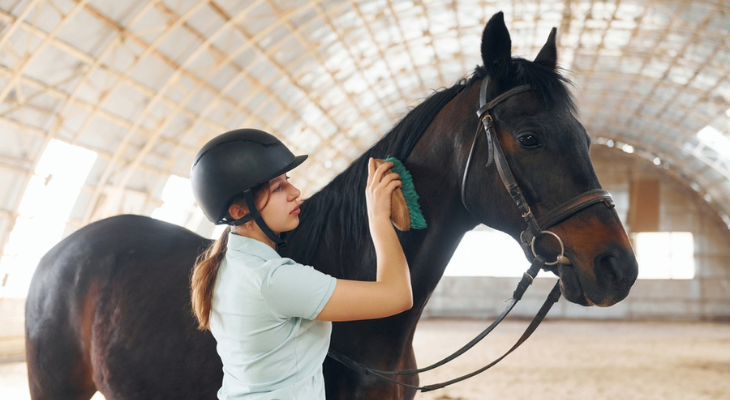
Even with the best intentions, lapses in grooming sanitation can occur. It’s important to recognize early signs of hygiene issues, such as:
- Unusual odors from grooming tools or tack
- Visible mold, mildew, or residue on equipment
- Skin irritations, hair loss, or infections on horses
- Increased incidence of respiratory or skin conditions in the stable
If you notice any of these signs, review your cleaning protocols and address problem areas immediately. Consult your veterinarian for persistent health issues.
Establishing a Routine for Long-Term Sanitation
Consistency is key to effective horse grooming sanitation. Develop a routine that includes daily, weekly, and monthly cleaning tasks. Post checklists in the grooming area and train all staff and volunteers on proper procedures. Regularly update your protocols based on new research or changes in your stable’s needs.
For those interested in other aspects of equestrian safety and standards, you might also want to read about the difference between UK and US riding standards for additional insights into best practices.
Frequently Asked Questions
How often should grooming tools be disinfected?
Grooming tools should be cleaned after every use to remove hair and debris, and disinfected at least once a week. If a horse is ill or has a skin condition, disinfect tools after each use to prevent spreading pathogens.
Can I use household disinfectants on horse grooming equipment?
Some household disinfectants are suitable, but always check that the product is safe for use around animals. Avoid harsh chemicals that could irritate your horse’s skin. When in doubt, use products specifically designed for equine care.
What are the risks of poor grooming hygiene?
Poor hygiene can lead to skin infections, parasite infestations, respiratory issues, and the spread of contagious diseases. It also increases the risk of equipment damage and reduces the overall comfort and health of your horse.
Is it necessary to have separate grooming kits for each horse?
While not always possible, having individual kits greatly reduces the risk of cross-contamination. If sharing is unavoidable, thorough cleaning and disinfection between uses is essential.
Conclusion
Adopting strong horse grooming sanitation habits is essential for every equestrian. Clean tools, tidy spaces, and good personal hygiene protect your horse from illness and discomfort. By following these best practices, you’ll create a safer, healthier environment for both horses and handlers, ensuring your equine companions look and feel their best every day.