

Equestrian helmets have evolved significantly over the years, with safety and comfort at the forefront of design improvements. One of the most notable advancements is the inclusion of integrated sun visors. These built-in features are more than just a stylish addition—they offer practical advantages that enhance both protection and the overall riding experience. Whether you ride for leisure or competition, understanding the benefits of integrated sun visors can help you make informed decisions about your gear.
Before exploring the specific advantages, it’s important to recognize that helmet fit and safety standards remain paramount. Riders interested in optimizing their helmet choice for both comfort and protection may also want to review resources on how to find the right riding helmet for your head shape and the importance of a secure helmet retention system. These factors, combined with the right visor, can make a significant difference in your riding safety and enjoyment.
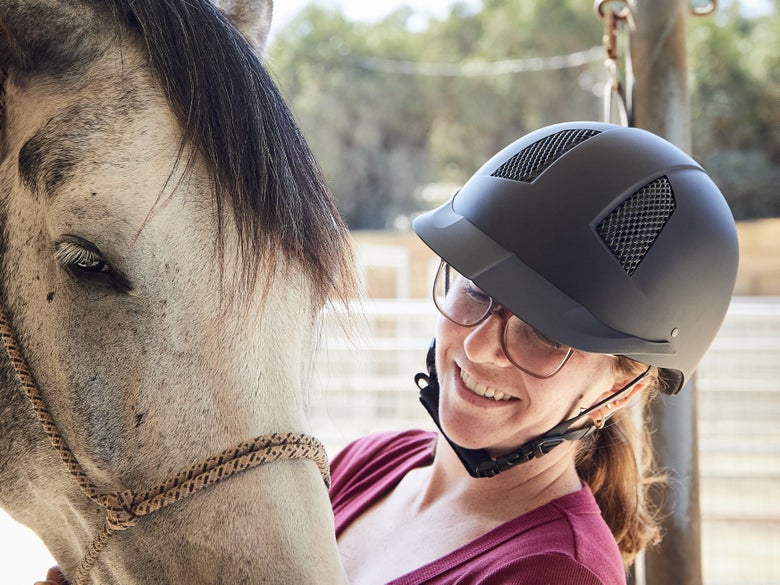
Enhanced Sun Protection and Visibility
One of the primary advantages of built-in sun visors is their ability to shield riders from harsh sunlight. Glare from the sun can be distracting and even dangerous, especially during long rides or competitions held outdoors. Integrated visors are designed to extend just far enough to block direct sunlight without obstructing your field of vision. This thoughtful design helps reduce eye strain and squinting, allowing you to focus more on your horse and surroundings.
Unlike detachable visors or sunglasses, integrated versions are always in the right position and move with your head. This consistency ensures that you’re protected from changing sun angles throughout your ride. Riders who spend extended hours outdoors will appreciate the difference in comfort and concentration that a well-designed visor provides.

Improved Comfort and Convenience
Comfort is a key consideration for any rider, and integrated sun visors contribute significantly in this area. Traditional helmet visors that attach separately can sometimes shift, loosen, or even fall off during vigorous activity. With a visor that’s built into the helmet, there’s no need to worry about adjustments or losing a piece of equipment mid-ride.
Additionally, integrated visors are engineered to work seamlessly with the helmet’s ventilation and fit systems. This means you won’t experience unwanted pressure points or awkward gaps, which can occur with add-on accessories. For those who ride in varying weather conditions, the convenience of having reliable sun protection always at hand is invaluable.
For riders interested in the technical aspects of helmet construction and safety, exploring the impact of age on helmet protective foam can provide further insight into maximizing both comfort and protection.

Safety Considerations and Helmet Standards
When it comes to head protection, every component of an equestrian helmet must meet rigorous safety standards. Integrated visors are designed to be part of the helmet’s overall structure, ensuring they don’t compromise impact resistance or coverage. In fact, many modern helmets with built-in visors undergo the same certification processes as those without, giving riders peace of mind that their safety is not being sacrificed for style or convenience.
Some advanced helmets also incorporate technologies like MIPS (Multi-directional Impact Protection System), which further enhance safety by reducing rotational forces during a fall. Riders can learn more about these innovations by visiting resources such as the MIPS technology overview. It’s important to note that a visor integrated into the helmet is less likely to break off or create sharp edges in the event of an accident, compared to some detachable options.
For those comparing international safety standards, the difference between UK and US riding standards article provides helpful context on what to look for when selecting a helmet.
Streamlined Appearance and Reduced Maintenance
Riders often appreciate the sleek, unified look that comes with a helmet featuring a built-in visor. There are no extra attachments or visible seams, which not only improves aesthetics but also reduces the risk of dirt and debris accumulating in crevices. This streamlined design is easier to clean and maintain, extending the life of your helmet and keeping it looking professional for longer.
Because the visor is an integral part of the helmet, there’s no need to keep track of separate accessories or worry about compatibility. This simplicity is especially beneficial for young riders or those who participate in multiple disciplines, where quick gear changes are common.
Key Advantages for Different Riding Environments
The benefits of integrated sun visors extend to a variety of riding scenarios. Trail riders, for example, often encounter changing light conditions as they move between open fields and wooded areas. A built-in visor provides consistent protection without the need to stop and adjust gear. Competitive riders, on the other hand, benefit from the visor’s ability to reduce glare during high-stakes events, helping them maintain focus and perform at their best.
Even in overcast or mixed weather, a visor can help shield your eyes from wind, rain, or low-hanging branches. This added layer of protection enhances both comfort and safety, regardless of the riding environment.
For those unsure about sizing, reviewing guidance on how to measure head circumference for horses can ensure a proper helmet fit, which is essential for maximizing the value of any visor feature.
Frequently Asked Questions
Are integrated sun visors suitable for all types of equestrian helmets?
Most modern helmet designs, including those for dressage, eventing, and trail riding, offer models with built-in visors. However, some disciplines with strict dress codes may require traditional styles. Always check competition rules and helmet certifications before purchasing.
Do built-in visors affect helmet safety?
No, integrated visors are engineered as part of the helmet’s structure and must pass the same safety tests as helmets without visors. They are designed not to compromise impact protection or coverage.
How do I clean and maintain a helmet with an integrated visor?
Cleaning is straightforward—simply use a damp cloth to wipe down the helmet and visor. Avoid harsh chemicals that could damage the materials. Because the visor is built in, there are fewer crevices for dirt to accumulate, making maintenance easier than with detachable options.
Can I replace an integrated visor if it gets damaged?
In most cases, if the visor is damaged, the helmet should be replaced entirely to ensure continued safety. Always consult the manufacturer’s guidelines for specific recommendations.
Conclusion
Integrated sun visors in equestrian helmets offer a combination of sun protection, comfort, safety, and convenience that appeals to riders of all levels. By choosing a helmet with this feature, you can enjoy improved visibility, reduced maintenance, and a streamlined appearance—without sacrificing safety. As helmet technology continues to advance, these built-in visors represent a smart investment for anyone looking to enhance their riding experience.