

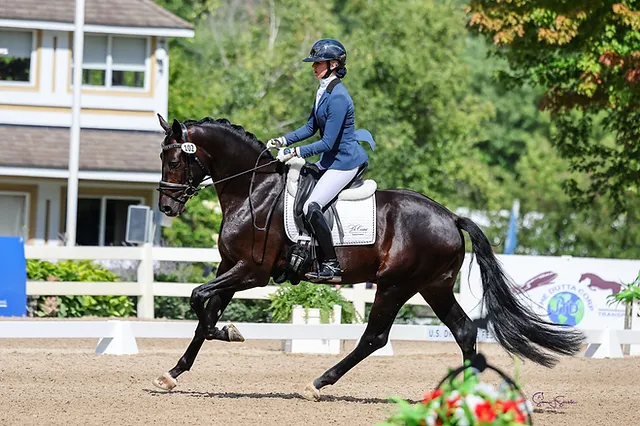
Finding the right balance in how long to train dressage per session is essential for both horse and rider. Dressage is a discipline that prioritizes precision, communication, and gradual improvement. Overtraining can lead to fatigue or frustration, while sessions that are too short may not provide enough time for meaningful progress. This article explores optimal training durations, factors that influence session length, and practical tips for structuring effective dressage workouts.
Whether you’re a beginner or an experienced equestrian, understanding how to tailor your training sessions can make a significant difference in your horse’s development and enjoyment. Before diving into the specifics, it’s important to consider safety and comfort for both horse and rider. For example, wearing the right head protection is crucial—if you’re unsure about helmet fit, see how to find the right riding helmet for your head shape for expert guidance.
Understanding the Ideal Duration for Dressage Workouts
The question of how long to train dressage per session does not have a one-size-fits-all answer. However, most trainers and professionals agree that quality is more important than quantity. For most horses and riders, a session lasting between 30 to 45 minutes is considered optimal. This timeframe allows for a thorough warm-up, focused schooling, and a proper cool-down without overwhelming the horse physically or mentally.
Shorter sessions—around 20 to 30 minutes—are often recommended for young, green, or less fit horses. These horses benefit from brief, positive experiences that build confidence and strength gradually. On the other hand, advanced horses in peak condition may handle up to an hour of work, but even then, the session should include breaks and variety to prevent fatigue or boredom.
Key Factors That Influence Session Length
Several variables affect the ideal length of a dressage session. Understanding these factors helps you adjust your routine to suit your horse’s needs and your training goals:
- Horse’s Age and Experience: Young or inexperienced horses have shorter attention spans and less physical stamina. Keep sessions brief and positive to encourage learning and prevent sourness.
- Fitness Level: Horses in regular work can handle longer, more intensive sessions. If your horse is coming back from a break, start with shorter rides and gradually increase duration.
- Weather and Environment: Hot, humid, or very cold conditions can impact how long your horse can work comfortably. Adjust session length and intensity based on weather to avoid overheating or chilling.
- Training Goals: Complex movements or new exercises may require more mental energy. Break up challenging work with simple exercises or rest periods.
- Rider’s Skill and Fitness: The rider’s ability to give clear, consistent aids also affects session quality. Fatigue in the rider can lead to confusion or miscommunication.
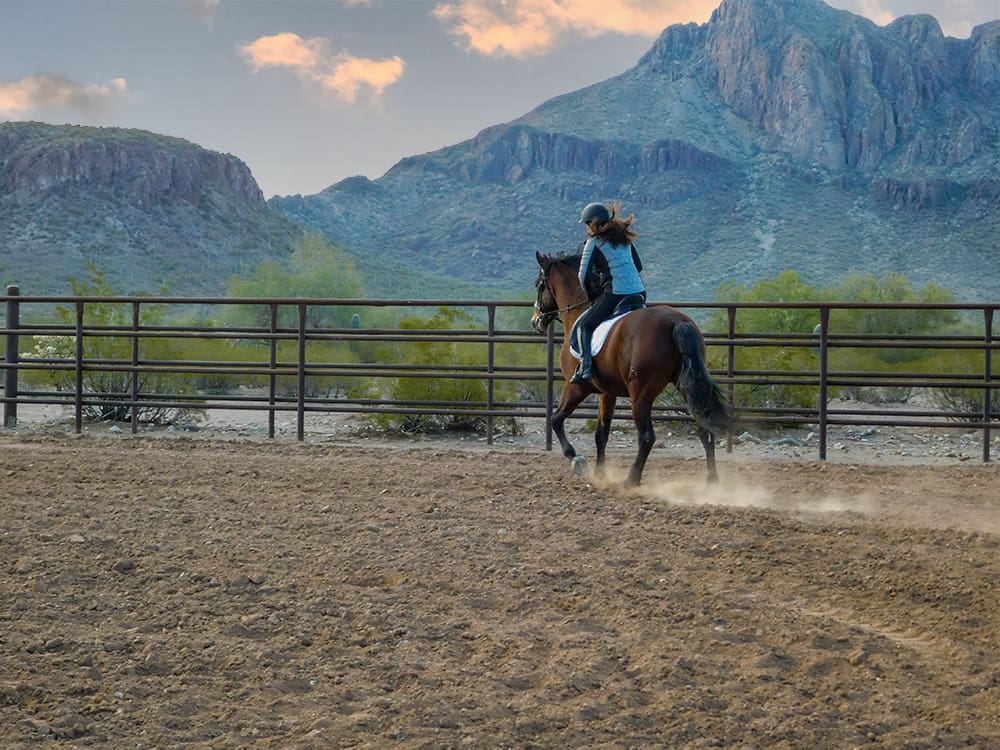
Structuring Your Dressage Training Session
Regardless of the total duration, an effective session should include three main phases: warm-up, schooling, and cool-down. Here’s how to organize your time:
-
Warm-Up (10–15 minutes):
- Start with walking on a long rein to loosen muscles and joints.
- Include transitions, circles, and gentle lateral work to engage the horse’s body and mind.
-
Main Work (15–25 minutes):
- Focus on specific exercises, such as transitions, lateral movements, or practicing test patterns.
- Keep periods of intense work short—alternate with stretching or walking breaks.
-
Cool-Down (5–10 minutes):
- Return to walk, allowing your horse to stretch and relax.
- End on a positive note, rewarding your horse for good effort.
Remember, the goal is to finish before your horse becomes tired or frustrated. If you notice signs of fatigue or tension, it’s better to end early and try again another day.
Signs Your Session Is the Right Length
Monitoring your horse’s responses during training is key to determining if your sessions are appropriately timed. Look for these indicators:
- Willingness to Work: Your horse remains attentive and responsive throughout the session.
- Physical Condition: The horse is sweating lightly but not excessively, and recovers quickly after work.
- Mental State: Calm, relaxed demeanor with ears forward and no signs of stress or resistance.
- Consistency: Progress is steady from one session to the next, with no regression or behavioral issues.
If your horse becomes distracted, resistant, or physically tired before the session ends, consider shortening the next ride or incorporating more breaks.
Adjusting Session Length for Different Levels
The appropriate length of a dressage session varies depending on the horse’s stage of training:
| Horse Level | Recommended Session Length | Focus |
|---|---|---|
| Young/Green | 20–30 minutes | Confidence, basics, short positive experiences |
| Novice/Intermediate | 30–45 minutes | Skill building, transitions, new movements |
| Advanced | 40–60 minutes | Complex exercises, test preparation, conditioning |
Always tailor your approach to your individual horse. Some may thrive on shorter, more frequent sessions, while others benefit from longer rides with plenty of variety.

Tips for Maximizing the Benefits of Each Session
- Set Clear Goals: Decide what you want to accomplish before you start. Focus on one or two objectives per ride.
- Stay Flexible: If your horse is having a great day, you might extend the session slightly. If things aren’t going well, it’s okay to cut it short.
- Use Variety: Mix up exercises to keep your horse engaged. Incorporate poles, transitions, and changes of direction.
- Track Progress: Keep a training journal to note what worked, what didn’t, and how your horse responded to different session lengths.
- Prioritize Rest: Horses need days off to recover physically and mentally. Plan rest days or light hacks between intensive schooling sessions.
For more insights on starting out in this discipline, you can read a beginner’s guide to dressage riding that covers foundational concepts and practical advice.
Frequently Asked Questions
How often should I train dressage each week?
Most horses benefit from dressage schooling three to five times per week, with rest or light days in between. The frequency depends on your horse’s age, fitness, and training goals. Consistency is key, but avoid back-to-back intense sessions to allow for recovery.
What are signs that my dressage session is too long?
If your horse becomes resistant, loses focus, or shows signs of physical fatigue (heavy sweating, stumbling, or reluctance to move forward), the session may be too long. It’s better to end on a positive note than to push past your horse’s limits.
Can I split my dressage training into two shorter sessions in a day?
For advanced horses or during competition preparation, some riders split training into two short sessions. However, this approach isn’t suitable for every horse. Always monitor your horse’s response and consult your trainer or veterinarian before increasing workload.
Should I adjust session length for older horses?
Yes, older horses may need shorter, less intense sessions with longer warm-up and cool-down periods. Pay attention to their comfort and adjust accordingly.
Conclusion
Determining how long to train dressage per session is about finding the right balance for your horse’s age, fitness, and experience. Most sessions fall between 30 and 45 minutes, but flexibility is key. Monitor your horse’s physical and mental state, set clear goals, and prioritize quality over quantity. With thoughtful planning, your dressage training will be both productive and enjoyable for you and your horse.