

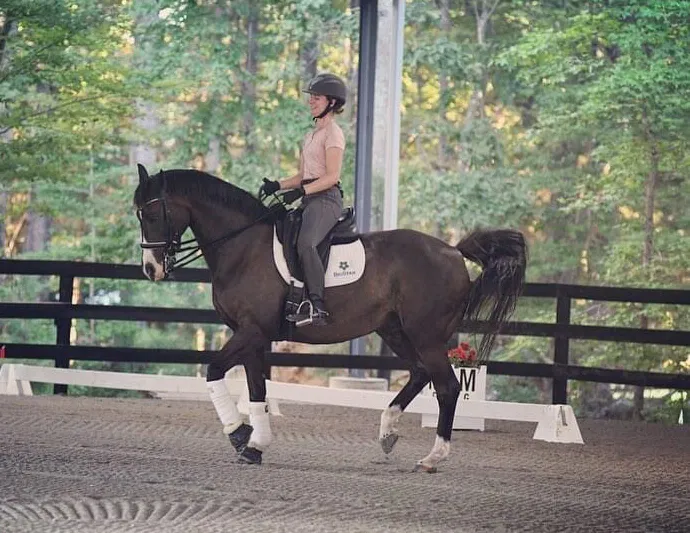
Dressage training for trail horses is gaining popularity among riders who want their equine partners to be more responsive, balanced, and confident on the trail. While dressage is often associated with the arena and competition, its principles offer significant benefits for horses that spend most of their time exploring the outdoors. By blending the precision and communication of dressage with the practical demands of trail riding, you can develop a horse that is safer, more supple, and better equipped to handle the unexpected challenges of varied terrain.
Many riders overlook the value of flatwork and gymnastic exercises outside the arena, but introducing dressage fundamentals to your trail routine can transform both your horse’s performance and your partnership. Whether you ride for pleasure or adventure, understanding how to integrate these techniques is key to building a confident, responsive trail companion.
Before diving into the practical steps, it’s important to consider all aspects of your horse’s safety and comfort. For instance, choosing the right equipment, such as a helmet, is just as crucial for the rider as training is for the horse. If you’re unsure about helmet fit, you might find this resource on how to find the right riding helmet for your head shape helpful as you prepare for your next trail outing.
Why Dressage Principles Matter on the Trail
Trail riding presents a unique set of challenges: uneven ground, sudden obstacles, wildlife, and unpredictable weather. Horses need to be attentive, flexible, and able to adjust their balance quickly. Dressage, at its core, is about developing a horse that is responsive to subtle cues, moves with balance, and remains calm under pressure. These qualities are invaluable when navigating narrow paths, crossing water, or encountering unexpected distractions.
By incorporating dressage exercises into your trail rides, you teach your horse to listen to your aids, carry themselves properly, and move with greater ease. This not only improves their physical fitness but also enhances their mental focus, making them less likely to spook or become anxious in new situations.
Key Elements of Dressage for Trail Readiness
Applying dressage techniques to trail horses involves more than just riding circles in an arena. Here are several foundational elements to focus on:
- Suppleness: Exercises like bending, leg yields, and serpentines help your horse become more flexible and responsive, which is essential for maneuvering around obstacles or tight turns on the trail.
- Balance: Transitions between gaits and within gaits (such as collected to extended walk) encourage your horse to shift their weight onto their hindquarters, improving stability on uneven terrain.
- Responsiveness: Practicing half-halts and transitions sharpens your horse’s attention to your aids, making it easier to adjust pace or stop quickly when needed.
- Confidence: Dressage work builds trust and communication, helping your horse remain calm and focused even when faced with unfamiliar sights and sounds.
Integrating Flatwork into Trail Rides
One of the best ways to introduce dressage to your trail horse is by weaving flatwork exercises into your regular rides. You don’t need a perfectly groomed arena—many exercises can be done on open fields, dirt roads, or even along forest paths. Here are some practical ideas:
- Serpentines and Circles: Use natural clearings or wide sections of trail to ride large circles or serpentines. This encourages bending and helps your horse stay attentive to your direction.
- Transitions: Practice moving between walk, trot, and canter, as well as halting and backing up. These transitions keep your horse focused and ready to respond to changes in terrain or pace.
- Leg Yields and Shoulder-In: On wider paths, ask your horse to move sideways or bring their shoulder in. These movements increase suppleness and control, which are useful for avoiding obstacles or passing other riders.
- Half-Halts: Use half-halts to rebalance your horse before going up or down hills, crossing water, or approaching tricky footing.
Building a Foundation: Step-by-Step Approach
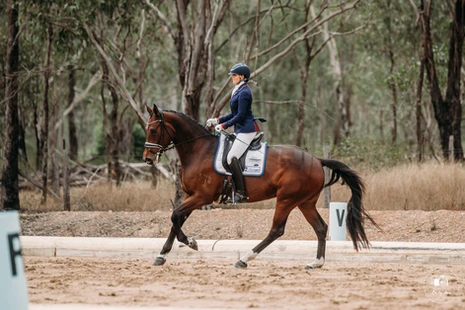
When introducing dressage concepts to a horse accustomed to the trail, start with the basics and progress gradually. Here’s a step-by-step approach:
- Establish Relaxation: Begin each ride with a relaxed walk, allowing your horse to stretch and settle. Use gentle circles and changes of direction to encourage softness.
- Introduce Lateral Work: Once your horse is calm, add simple lateral movements like leg yields. Start at the walk before progressing to the trot.
- Practice Transitions: Incorporate frequent transitions between and within gaits. This keeps your horse attentive and helps develop balance.
- Increase Complexity: As your horse becomes more comfortable, add more challenging exercises such as shoulder-in or haunches-in, always keeping sessions short and positive.
- Apply Skills on the Trail: Use dressage movements in real trail situations—ask for a leg yield to avoid a puddle, or use a half-halt before descending a hill.
Patience is key. Some horses may take time to adjust to new cues or movements, especially if they are older or set in their ways. Consistency and clear communication will help them gain confidence and enjoy the process.
Equipment and Comfort Considerations
Proper tack and equipment can make a significant difference in your horse’s comfort and willingness to work. A well-fitted saddle, such as a dressage model, can improve your position and your horse’s freedom of movement. If you’re considering upgrading your gear, investing in a quality saddle designed for both dressage and trail use is worthwhile.
Don’t overlook hoof care, especially when adding new exercises or increasing mileage. Using a protective balm can help maintain healthy hooves, particularly in changing weather or rough terrain. Regular checks and maintenance are essential for keeping your horse sound and happy on the trail.
Common Challenges and Solutions
Integrating dressage into trail routines isn’t without its hurdles. Some common issues include:
- Resistance to New Exercises: Horses may initially resist lateral work or transitions outside the arena. Keep sessions short and reward small successes.
- Loss of Focus: The sights and sounds of the trail can distract your horse. Use frequent changes of direction and pace to keep their attention on you.
- Physical Limitations: Not all horses are equally flexible or athletic. Adapt exercises to suit your horse’s abilities and consult a professional if you encounter persistent issues.
For more on prioritizing your horse’s well-being and training, consider exploring the core principles and priorities of natural dressage for additional insights and methodologies.
Safety Tips for Trail and Dressage Work
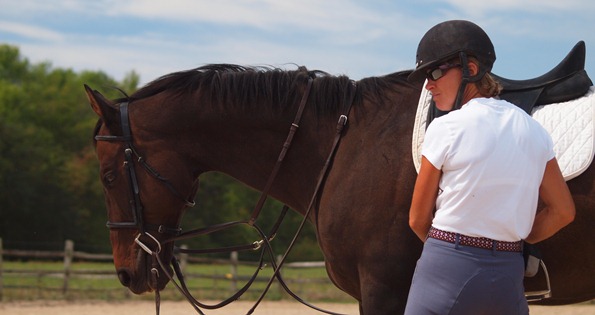
Combining dressage with trail riding requires attention to safety for both horse and rider. Here are some practical tips:
- Always warm up and cool down your horse before and after rides.
- Check tack and equipment for proper fit and wear before heading out.
- Ride with a buddy or let someone know your planned route, especially when trying new exercises in unfamiliar areas.
- Wear a helmet and appropriate safety gear. If you need guidance, revisit the advice on selecting the right riding helmet.
- Introduce new movements gradually and avoid overworking your horse, particularly on challenging terrain.
Long-Term Benefits of Blending Dressage and Trail Riding
Horses trained with a blend of dressage and trail work tend to be more adaptable, physically fit, and mentally resilient. They develop better posture, stronger muscles, and a deeper trust in their riders. For those interested in understanding how different riding standards can influence training and safety, exploring the difference between UK and US riding standards can provide further context.
Ultimately, the goal is a partnership where both horse and rider feel confident and prepared for whatever the trail brings. The skills developed through dressage not only enhance your horse’s abilities but also contribute to a safer, more enjoyable riding experience for both of you.
Frequently Asked Questions
Can Any Horse Benefit from Dressage Exercises on the Trail?
Yes, most horses can benefit from basic dressage work, regardless of breed or age. The key is to tailor exercises to your horse’s level of fitness and experience, introducing new movements gradually and with patience.
How Often Should I Incorporate Dressage into Trail Rides?
Even short sessions of 10–15 minutes during regular trail rides can yield noticeable improvements. Consistency is more important than duration, so aim to include a few dressage exercises in every ride.
What Equipment Is Best for Combining Dressage and Trail Riding?
A comfortable, well-fitted saddle that allows freedom of movement is ideal. Many riders choose a dressage saddle for its support, but any saddle that fits both horse and rider well can work. Don’t forget to check your horse’s hooves regularly and use protective products as needed.