

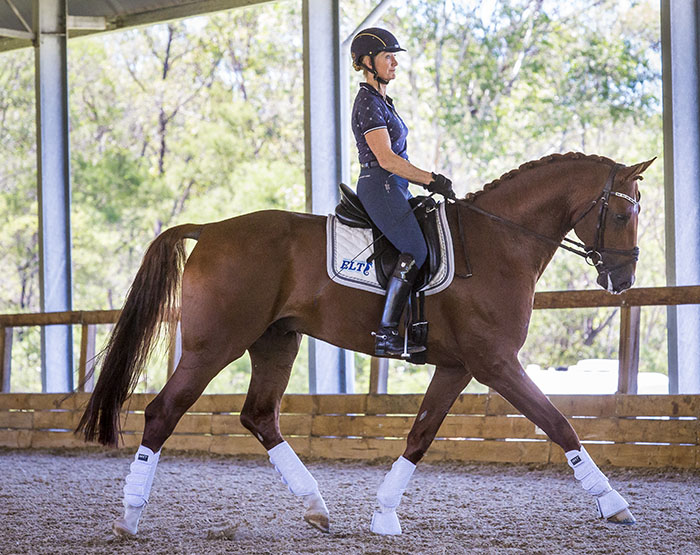
Dressage is often described as the art of horse training, where horse and rider work together to perform a series of precise movements with balance, rhythm, and harmony. Many riders—whether beginners or experienced equestrians—wonder if every horse has the potential to participate in this discipline. Understanding which horses can succeed in dressage, what factors influence their performance, and how to get started is essential for anyone interested in this elegant equestrian sport.
While some breeds are famous for their prowess in competitive dressage, the truth is that horses of all types and backgrounds can benefit from dressage training. This guide explores the suitability of different horses for dressage, what to expect from various breeds and personalities, and how to set realistic goals for you and your equine partner. If you’re new to equestrian sports, you may also want to learn about how to find the right riding helmet for your head shape to ensure your safety as you begin your journey.
Dressage Fundamentals: What Makes a Horse Suitable?
At its core, dressage is about developing a horse’s natural athletic abilities and responsiveness to the rider’s aids. The question of can any horse do dressage comes down to several key factors:
- Conformation: While ideal conformation can make advanced movements easier, most horses can learn the basics regardless of their build.
- Temperament: A willing, calm, and trainable attitude is more important than breed or size. Horses that are eager to please and not overly reactive are often easier to train.
- Soundness: Horses should be free from lameness or chronic pain. Dressage requires flexibility and strength, so a healthy musculoskeletal system is essential.
- Age and Experience: Both young and older horses can start dressage, though younger horses may adapt more quickly. Even senior horses can benefit from gentle dressage exercises to improve mobility and balance.
It’s important to note that while any horse can benefit from dressage training, not all will reach the same level of competition. However, the foundational exercises of dressage—such as transitions, circles, and lateral work—are valuable for every horse, improving their balance, flexibility, and partnership with the rider.
Breed Considerations: Are Some Horses Better Suited?
When people think of dressage, breeds like the Warmblood, Andalusian, or Lusitano often come to mind. These horses are popular in high-level dressage due to their natural movement, strength, and trainability. However, the discipline is not exclusive to these breeds.
Many riders successfully train and compete with Thoroughbreds, Arabians, Quarter Horses, Morgans, ponies, and even draft crosses. Each breed brings unique strengths and challenges:
- Warmbloods: Known for their expressive gaits and calm demeanor, they dominate upper-level dressage but may not be necessary for beginners or lower levels.
- Thoroughbreds: Athletic and sensitive, they can excel with patient, consistent training.
- Quarter Horses: Their versatility and intelligence make them great for introductory and mid-level dressage.
- Ponies: Often underestimated, ponies can be highly successful, especially for youth riders.
- Drafts and Draft Crosses: While not bred for collection, many can learn the basics and enjoy the mental and physical benefits of dressage work.
Ultimately, the best horse for dressage is one that matches the rider’s goals and abilities. Whether you ride a purebred or a mixed-breed, the focus should be on developing a partnership and enjoying the process.
Training for All Types: How to Start Dressage With Any Horse
Introducing your horse to dressage doesn’t require a fancy pedigree or expensive equipment. Here are practical steps to begin:
- Assess Your Horse’s Strengths: Observe your horse’s movement, attitude, and physical abilities. Set realistic expectations based on their conformation and temperament.
- Start With the Basics: Focus on rhythm, relaxation, and straightness. Simple exercises like circles, serpentines, and transitions help build a solid foundation.
- Work With a Trainer: An experienced instructor can tailor exercises to your horse’s needs and help you progress safely.
- Set Achievable Goals: Whether you aim to compete or simply improve your horse’s rideability, celebrate small milestones along the way.
- Monitor Health and Comfort: Regular check-ups, proper hoof care, and suitable tack are essential for your horse’s well-being. For hoof health, consider products like specialized balms to keep hooves strong and resilient.
Remember, dressage is a journey. Progress may be gradual, but even modest improvements in balance and communication can transform your riding experience.
Common Challenges and How to Overcome Them
Not every horse will find dressage easy. Here are some typical obstacles and solutions:
- Lack of Natural Movement: Some horses have shorter strides or less suspension. Focus on exercises that encourage looseness and engagement, rather than forcing extravagant movement.
- Hot or Nervous Temperament: Sensitive horses may need extra time to relax and trust their rider. Consistency and positive reinforcement are key.
- Physical Limitations: Horses with previous injuries or age-related stiffness can still benefit from gentle dressage, but always consult a veterinarian and adjust expectations accordingly.
- Rider Inexperience: Dressage can be technical. Riders new to the discipline should seek guidance, attend clinics, and study reputable resources. For safety, understanding the importance of a secure helmet retention system is also recommended.
Benefits of Dressage for All Horses
Regardless of breed or background, dressage offers numerous advantages for horses and riders:
- Improved Balance and Flexibility: Dressage exercises help horses become more supple and coordinated.
- Better Communication: Riders learn to use subtle aids, fostering a deeper partnership.
- Increased Confidence: Both horse and rider gain confidence through mastering new skills.
- Foundation for Other Disciplines: The skills learned in dressage translate well to jumping, trail riding, and even western events.
Even if your horse never competes, the training process can enhance their overall health, responsiveness, and enjoyment under saddle.

Tips for Success: Maximizing Your Horse’s Dressage Potential
To get the most out of your dressage journey, keep these tips in mind:
- Be Patient: Progress can be slow, especially with horses new to structured training. Celebrate incremental improvements.
- Stay Consistent: Regular, short training sessions are more effective than infrequent, intense workouts.
- Focus on Basics: Mastering rhythm, relaxation, and straightness lays the groundwork for more advanced movements.
- Seek Inspiration: Watch lessons, attend clinics, and read articles such as developing balance and symmetry in dressage to expand your understanding.
- Prioritize Safety: Always wear appropriate safety gear and ensure your tack fits well. For guidance on helmet fit, see how to measure head circumference for horses.
Frequently Asked Questions
Is Dressage Only for Certain Breeds?
No, horses of all breeds and backgrounds can participate in dressage. While some breeds may excel at higher levels, the foundational training is beneficial for every horse.
Can Older Horses Learn Dressage?
Absolutely. Many older horses enjoy and benefit from dressage training. Adjust the intensity and duration of sessions to suit their fitness and health.
What If My Horse Isn’t Naturally Athletic?
Dressage helps improve any horse’s athleticism over time. Focus on gradual progress and celebrate improvements in balance, flexibility, and responsiveness.
Do I Need Special Equipment to Start?
While specialized dressage saddles and bridles can help, they are not required for beginners. A well-fitting, comfortable saddle and a simple bridle are sufficient to begin.
How Long Does It Take to See Results?
Progress varies depending on the horse’s background and the rider’s experience. With consistent training, most horses show improvement in a few weeks to months.
In summary, the world of dressage is open to horses of all types, ages, and backgrounds. With patience, proper training, and a focus on partnership, you and your horse can enjoy the many rewards this discipline offers—whether you aim for competition or simply want to enhance your riding experience.