

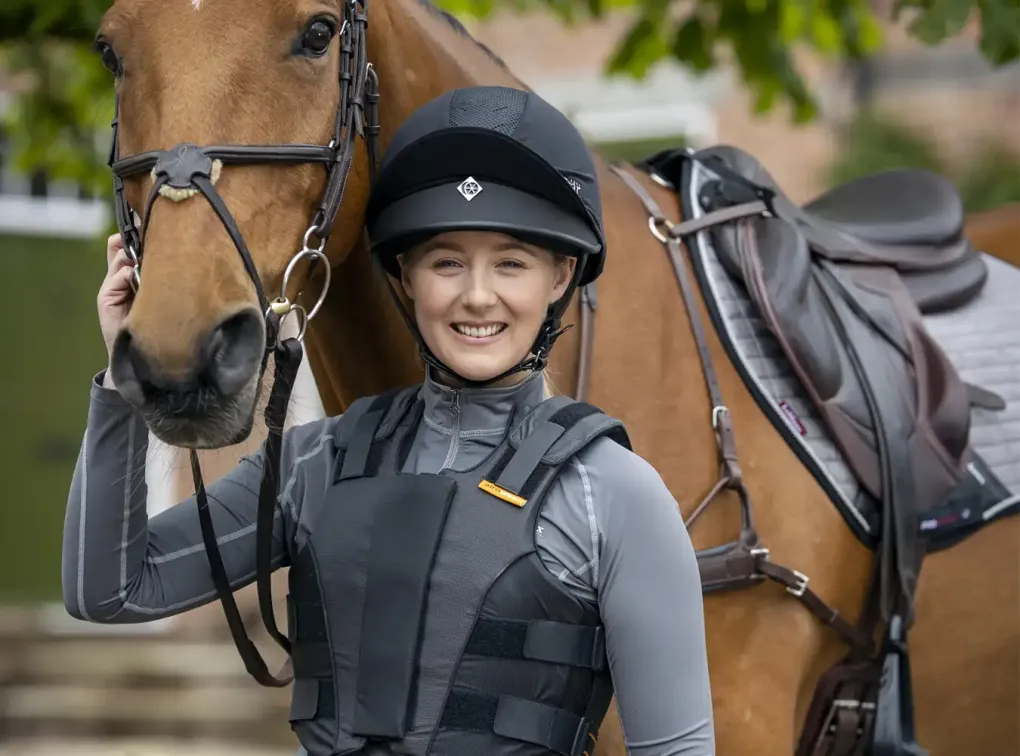
Choosing a riding helmet that fits your head shape is essential for both comfort and safety while riding. A helmet that matches your unique contours not only feels better but also provides optimal protection in case of a fall. With so many styles, brands, and sizing systems available, it can be challenging to know where to start. This guide will walk you through the key factors to consider, from understanding your head shape to evaluating helmet features and fit systems.
Before diving into the details, it’s important to recognize that a well-fitted helmet can make a significant difference in your riding experience. Riders often overlook the impact of head shape, focusing only on circumference. However, paying attention to both dimensions ensures a secure and comfortable fit. For additional insights on helmet safety, you may want to read about the importance of a secure helmet retention system for safety.
Understanding Your Head Shape and Its Impact on Helmet Fit
One of the most important steps in how to find the right riding helmet for your head shape is identifying your head’s natural form. Most people fall into one of three categories:
- Round: The head has nearly equal width and length.
- Oval: The head is longer front-to-back than side-to-side.
- Intermediate Oval: A blend, with a slightly longer length than width, but less pronounced than a true oval.
To determine your head shape, look in a mirror and observe the outline of your head from above. Alternatively, ask someone to take a photo from the top. Understanding this will help you select a helmet designed for your specific proportions.
Some brands cater to particular shapes. For example, certain models are built for rounder heads, while others are better for oval profiles. Trying on different helmets is the best way to find what suits you.
Measuring Your Head for a Proper Fit
Accurate measurement is crucial when searching for a helmet that fits well. Use a soft measuring tape to measure the circumference of your head, about one inch above your eyebrows and ears. This measurement will guide you to the correct helmet size according to manufacturer charts.
For a step-by-step guide, check out our article on how to measure head circumference for horses, which applies to riders as well. Remember, size is just one part of the equation—shape matters just as much.

Key Features to Look for in a Riding Helmet
When evaluating helmets, consider these essential features to ensure both safety and comfort:
- Adjustable Fit Systems: Many modern helmets include dial-fit or adjustable padding, allowing you to fine-tune the fit for your head shape.
- Ventilation: Good airflow helps keep you cool, especially during long rides or in warm climates.
- Safety Certifications: Look for helmets that meet recognized safety standards (such as ASTM/SEI, VG1, or PAS015). These certifications indicate rigorous testing.
- Retention System: A secure chin strap and harness are vital for keeping the helmet in place during movement or impact.
- Removable Liners: Liners that can be taken out and washed improve hygiene and comfort.
Some helmets now incorporate advanced safety technologies like MIPS (Multi-directional Impact Protection System). To learn more about this innovation, visit the MIPS technology information page for details on how it can enhance rider safety.
Trying On Helmets: What to Expect and How to Assess Fit
Once you’ve narrowed down your options, it’s time to try on different helmets. Here’s how to assess whether a helmet fits your head shape:
- The helmet should sit level on your head, covering the forehead without tilting forward or back.
- You should feel even, gentle pressure all around—no pinching, gaps, or pressure points.
- Shake your head gently; the helmet should stay in place without shifting or wobbling.
- Fasten the chin strap and open your mouth wide. You should feel the helmet pull down slightly, indicating a secure fit.
- Wear the helmet for several minutes to check for discomfort or hot spots.
If you notice pressure at the front and back, the helmet may be too round for your head. If there’s pressure on the sides, it may be too oval. Adjusting the fit system or trying a different brand can help resolve these issues.

Common Fit Issues and How to Solve Them
Even after careful selection, you might encounter some fit challenges. Here are solutions to common problems:
- Helmet feels loose: Try a smaller size or use additional padding if available.
- Pressure points develop: Switch to a helmet designed for a different head shape or adjust the internal padding.
- Helmet sits too high or low: Ensure the helmet is the correct size and that the harness is properly adjusted.
- Gaps at the sides or front: Look for a model that better matches your head’s contours.
Remember, a helmet should never feel uncomfortable. If you can’t achieve a good fit, consider consulting a professional fitter at a tack shop or helmet retailer.
Additional Tips for Selecting the Best Helmet for Your Needs
Beyond fit and safety, consider your riding discipline and personal preferences:
- Discipline-specific features: Eventers may prefer helmets with soft peaks, while show riders might opt for traditional styles. Learn more about the benefits of a soft peak on skull caps for cross country.
- Style and color: Choose a helmet that matches your taste, but never compromise on safety or fit for looks.
- Budget: While higher-priced helmets may offer advanced features, many affordable models meet safety standards and provide a good fit.
- Replacement schedule: Helmets should be replaced after any significant impact or every 3–5 years, as materials degrade over time.
FAQ
How do I know if my helmet is the right shape for my head?
The right helmet shape will feel snug but comfortable, with even pressure all around. There should be no pinching or gaps, and the helmet should not move when you shake your head. If you experience discomfort or shifting, try a different shape or brand.
Can I adjust a helmet to fit my head shape?
Many helmets offer adjustable fit systems or removable padding to help fine-tune the fit. However, if the basic shape is wrong, adjustments may not resolve the issue. It’s best to start with a helmet designed for your head’s natural contours.
Are more expensive helmets safer or better fitting?
Higher-priced helmets may include advanced features, materials, or technologies, but all helmets that meet safety standards provide essential protection. Fit and comfort depend on matching the helmet to your head shape, not just the price tag.
How often should I replace my riding helmet?
Replace your helmet after any fall or impact, or every 3–5 years, even if it appears undamaged. Materials can degrade over time, reducing protective capability.
Finding a helmet that fits your unique head shape is an investment in your safety and enjoyment as a rider. Take the time to measure, try on, and evaluate different options. With the right approach, you’ll discover a helmet that keeps you protected and comfortable every ride.