

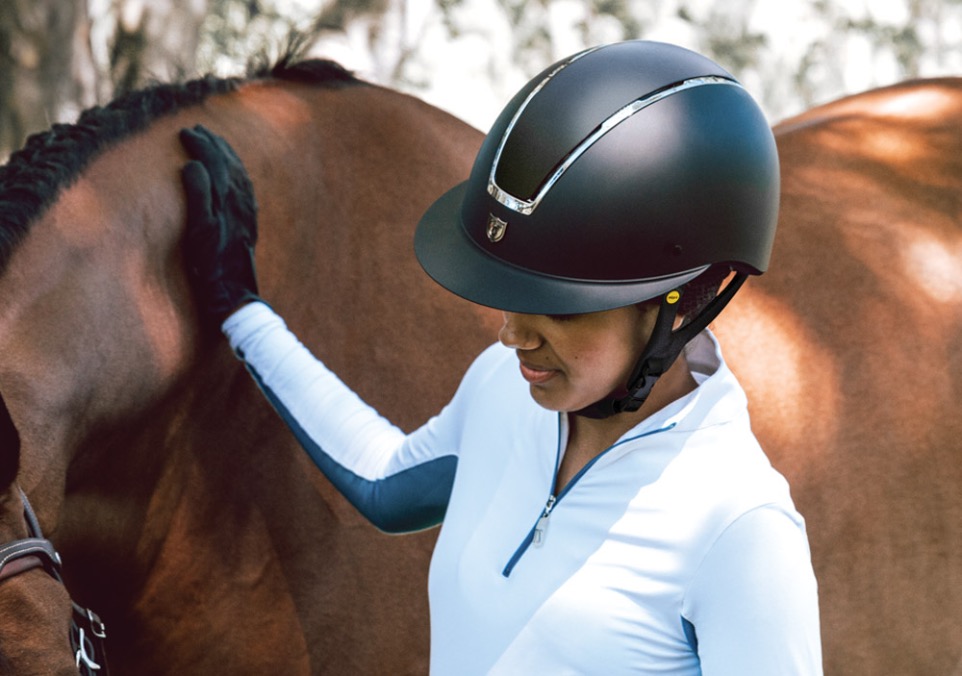
Riding horses across borders, whether for competition, leisure, or work, means navigating a complex world of safety standards. Understanding safety certifications for international riding is essential for riders, trainers, and parents who want to ensure the highest level of protection and compliance with global rules. From helmet standards to body protectors, the requirements can differ significantly between countries and disciplines. This article breaks down the most important global certifications, explains how they impact your riding experience, and helps you make informed decisions about your gear.
Before diving into the details, it’s important to recognize that not all riding helmets and protective equipment are created equal. What passes as safe in one country may not meet the standards in another. For those interested in the nuances of helmet selection, the guide on how to choose a helmet for eventing offers additional insight into picking the right gear for different riding phases.
Why International Safety Standards Matter
Equestrian sports can be risky, and the consequences of inadequate protection are serious. International events, such as FEI competitions, require participants to meet specific safety standards. Even for recreational riders, using equipment that meets recognized certifications can significantly reduce the risk of head injuries and other trauma.
Global travel and competition have made it necessary for riders to understand which certifications are accepted in different regions. For example, a helmet approved in the United States may not be permitted in Europe or Australia. Knowing the differences helps riders avoid last-minute surprises at events and ensures maximum protection wherever they ride.
Key Helmet Certifications Around the World
Helmets are the cornerstone of rider safety. Here are the most widely recognized certifications for riding helmets globally:
- ASTM/SEI (USA): The American Society for Testing and Materials (ASTM) sets the standard, while the Safety Equipment Institute (SEI) certifies helmets. Look for the ASTM F1163 label for compliance in the US.
- VG1 (Europe): The VG1 01.040 2014-12 standard is required in many European countries and by the FEI. It ensures rigorous impact and retention testing.
- PAS 015 (UK): Developed by the British Standards Institute, PAS 015:2011 is a common requirement for British competitions and Pony Club events.
- EN 1384 (Europe): Although once the primary European standard, EN 1384 has been largely replaced or supplemented by VG1 and PAS 015 due to stricter requirements.
- AS/NZS 3838 (Australia/New Zealand): This standard is mandatory for most competitions in Australia and New Zealand, focusing on both impact and penetration resistance.
Some helmets carry multiple certifications, making them suitable for use in several countries. Always check the event or club rules before purchasing or traveling with your gear.
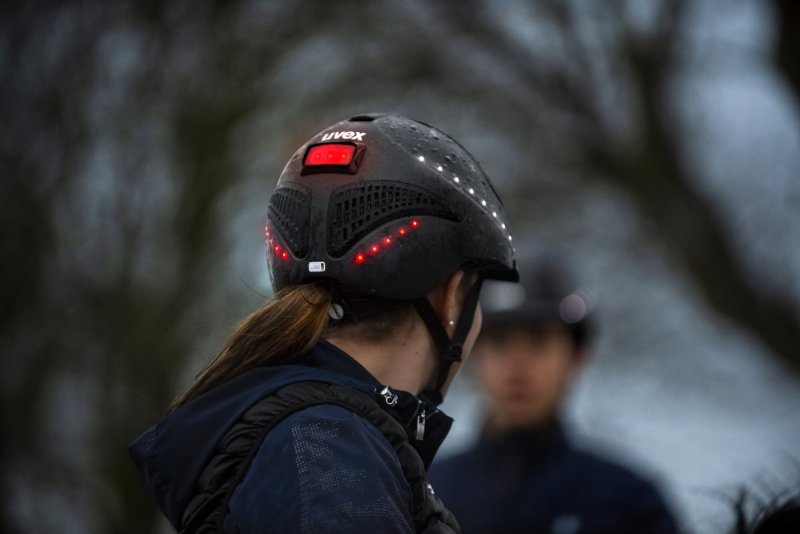
Body Protector and Vest Certifications
While helmets are mandatory in most disciplines, body protectors and vests are increasingly required, especially in eventing and cross-country. The main international standards include:
- BETA (UK): The British Equestrian Trade Association (BETA) Level 3 is the gold standard for eventing and is recognized worldwide.
- EN 13158 (Europe): This European standard is closely aligned with BETA and is accepted at many international competitions.
- ASTM F1937 (USA): This is the American standard for equestrian body protectors, focusing on shock absorption and coverage.
Some competitions specify the year of certification, as standards are updated regularly. Always check that your vest is up to date and meets the requirements of the event or country where you plan to ride.
Understanding Certification Labels and Expiry Dates
Certification labels are usually found inside the helmet or vest. They indicate the standard, year, and sometimes the country of approval. It’s important to note that many organizations set expiry dates for safety gear, typically ranging from 3 to 5 years after manufacture. This is due to material degradation over time, which can reduce protective performance.
Before heading to an international event, inspect your equipment for visible certification labels and check the manufacture date. If in doubt, contact the event organizer for clarification on accepted standards and expiry rules.
Regional Differences in Equestrian Safety Standards
Each country or federation may have unique requirements. For example:
- In the UK, British Eventing and Pony Club have strict rules on helmet and vest certifications, often requiring BSI Kitemark or BETA labeling.
- FEI events accept several certifications but may have additional requirements for juniors or specific disciplines.
- Australian Pony Club mandates AS/NZS 3838 or equivalent, with regular updates to accepted standards.
For a deeper look at how gear requirements change by discipline, the article on safety differences in equestrian disciplines provides helpful context.

Tips for Choosing Compliant Riding Gear
When preparing for international riding, follow these steps to ensure your equipment meets all necessary safety certifications:
- Check Event Rules: Always consult the official rulebook or event website for up-to-date requirements.
- Look for Multiple Certifications: Helmets and vests with more than one approval mark are more likely to be accepted worldwide.
- Inspect Labels and Dates: Confirm that certification labels are present and that the manufacture date is within the allowed period.
- Replace Damaged Gear: Any impact or visible damage can compromise protection, even if the certification is valid.
- Consult Experts: Retailers and saddle fitters familiar with global standards can help you select the right products. For more details on helmet fit, see the article on importance of a snug riding helmet fit.
Resources for Further Information
Staying informed about evolving safety standards is crucial. Organizations such as the FEI, Pony Club, and national equestrian federations regularly update their rules. For a comprehensive overview of helmet types, features, and certifications, the SmartPak riding helmet guide is a valuable resource.
Additionally, understanding the difference between schooling and show helmets can help you choose the right helmet for your needs, especially if you participate in both casual and competitive riding.
Frequently Asked Questions
What happens if my helmet does not meet the event’s required certification?
If your helmet lacks the appropriate certification for a specific event or country, you may be disqualified from participating, or you could be required to purchase or borrow compliant gear on-site. Always verify requirements in advance to avoid issues.
Can I use the same helmet for multiple countries or disciplines?
Some helmets are certified to multiple international standards, making them suitable for use in several countries and disciplines. However, always double-check the event’s rules, as some organizations have unique or updated requirements.
How often should I replace my riding helmet?
Most manufacturers and safety organizations recommend replacing helmets every 3 to 5 years, or immediately after a significant impact. Over time, materials degrade, reducing the helmet’s ability to protect you in a fall.
Conclusion
Understanding safety certifications for international riding is essential for anyone who rides across borders or participates in global events. By staying informed about regional standards, checking your equipment’s certification labels, and keeping your gear up to date, you can ride with confidence and comply with all necessary regulations. Whether you’re competing at the highest level or enjoying a trail ride abroad, prioritizing certified protective gear is a smart investment in your safety and peace of mind.