


Many riders wonder if a bike helmet can substitute for a horse riding helmet. At first glance, both types of headgear seem similar—they cover the head, use foam liners, and have sturdy shells. However, the impact forces and accident scenarios in cycling and equestrian sports are fundamentally different. Understanding why bike helmets are unsafe for horse riding is essential for anyone who values safety in the saddle.
This article explores the key differences in helmet design, the science behind impact protection, and the reasons why only helmets specifically made for equestrian use should be worn when riding horses. For those interested in learning more about helmet selection for various riding disciplines, check out how to choose a helmet for eventing for a detailed breakdown of safety considerations.
Understanding the Differences in Impact Forces
The main reason bike helmets are not safe for horse riding is the difference in the types of falls and impacts that occur. When a cyclist falls, the typical impact is a glancing blow or a slide along the pavement, often at lower heights. In contrast, a fall from a horse usually involves a vertical drop from a much greater height—often over five feet—followed by a direct impact with the ground or a hard object like a fence post.
Equestrian falls can also involve unpredictable movements, such as being kicked or stepped on by a horse. These scenarios subject the rider’s head to forces that are not anticipated in bicycle helmet testing. As a result, bike helmets are not engineered to protect against the unique risks of horseback riding.
Design and Certification Standards: Why They Matter
Helmet safety standards are tailored to the specific risks of each sport. Bicycle helmets are tested for impacts that mimic falling off a bike at moderate speed onto a flat surface. In contrast, equestrian helmets must pass tests that simulate a fall from a horse, including impacts on sharp edges and from greater heights.
Equestrian helmets are certified to standards such as ASTM F1163, PAS015, or VG1, which require them to withstand higher impact energies and provide more coverage at the back and sides of the head. Bike helmets, on the other hand, are certified under standards like CPSC or EN1078, which do not account for the same types of impacts. For more on global helmet safety standards, see this guide to safety certifications for international riding.
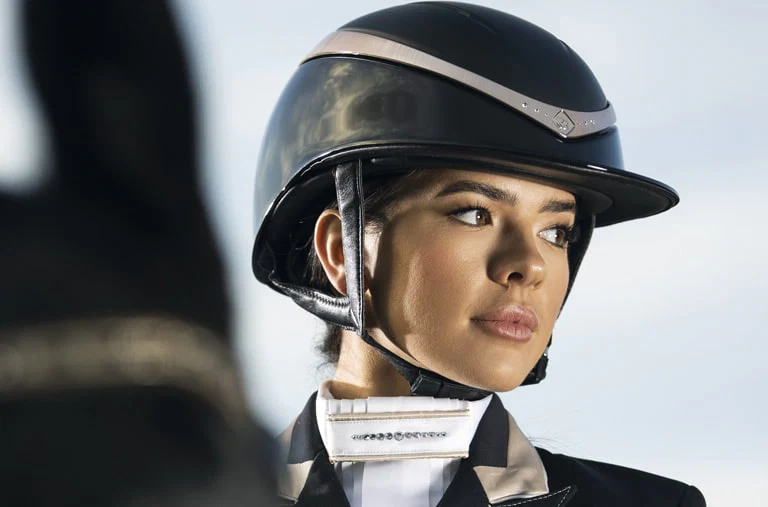
Helmet Construction: Equestrian vs. Bicycle Models
While both types of helmets use a hard outer shell and an inner foam liner, the materials and construction methods differ. Equestrian helmets typically have a thicker shell and denser foam to absorb the higher energy impacts seen in horse riding accidents. They also offer more coverage at the back of the head and around the temples, areas especially vulnerable in a fall from a horse.
Bike helmets are designed to be lightweight and well-ventilated for comfort during long rides. This focus on weight reduction can compromise the level of protection needed for equestrian falls. For those concerned about helmet weight and comfort, evaluating helmet weight for neck comfort is an important consideration, but never at the expense of safety standards.
Real-World Accident Scenarios
Studies and accident reports consistently show that falls from horses are more likely to result in severe head injuries than falls from bicycles. The vertical distance, the speed at which a horse can move, and the possibility of being struck by hooves all contribute to the increased risk. Helmets designed for cycling simply do not provide adequate protection in these situations.
In addition, equestrian helmets are tested for penetration resistance, meaning they can withstand sharp objects—such as a horse’s hoof or a fence post—striking the helmet. Bike helmets are not required to pass these tests, leaving riders vulnerable to serious injury if they use the wrong type of helmet.
Fit and Retention: Why Proper Helmet Fit Is Crucial
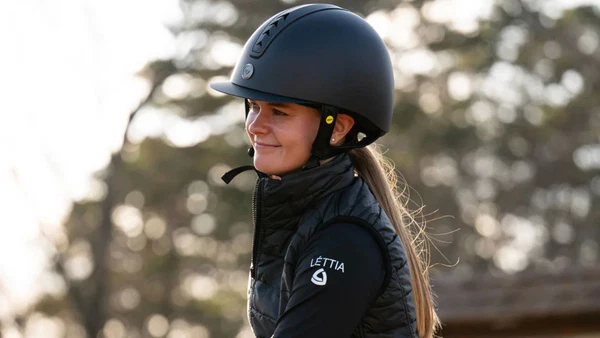
Another critical aspect of helmet safety is fit. Equestrian helmets are designed to stay securely on the rider’s head during a fall, even if the rider is moving at high speed or is thrown in an unexpected direction. The harness and retention systems are engineered to prevent the helmet from coming off or shifting during impact.
Bicycle helmets, by contrast, may not have the same level of retention and can come loose in a fall from a horse. For tips on ensuring a secure fit, see this resource on the importance of a snug riding helmet fit. For those unsure about sizing, there are helpful guides on how to measure your head for a riding helmet.
Common Myths About Helmet Use in Equestrian Sports
- Myth: Any helmet is better than none.
Fact: Wearing the wrong type of helmet can give a false sense of security and may not protect against the specific risks of horse riding. - Myth: Bike helmets are lighter and more comfortable, so they’re a good alternative.
Fact: Comfort should never outweigh safety. Equestrian helmets are designed for both protection and comfort during riding. - Myth: All helmets meet the same safety standards.
Fact: Equestrian and bicycle helmets are tested to different standards and are not interchangeable.
Choosing the Right Helmet for Horseback Riding
To maximize safety, always choose a helmet specifically designed and certified for equestrian use. Look for certifications such as ASTM F1163, PAS015, or VG1. These helmets are built to handle the unique impact scenarios of horseback riding and offer the best protection available.
For those who ride in different disciplines or environments, it’s also important to consider the type of helmet needed. There are differences between schooling and show helmets, which you can learn more about in this article on the difference between schooling and show helmets.
FAQ
Can I use a bike helmet for casual horse riding?
It is not recommended. Even for casual riding, the risk of falling from a horse involves higher impact forces and different accident scenarios than cycling. Only helmets designed for equestrian use provide the necessary protection.
What certifications should I look for in a horse riding helmet?
Look for certifications such as ASTM F1163, PAS015, or VG1. These standards ensure the helmet has been tested for the types of impacts and penetration risks unique to horse riding.
How often should I replace my riding helmet?
Helmets should be replaced after any significant impact, even if there is no visible damage. Additionally, manufacturers generally recommend replacing helmets every 3-5 years due to material degradation over time.
Is it safe to buy used horse riding helmets?
Buying used helmets is risky because you cannot be sure of their history or if they have sustained impacts. It is always safest to purchase a new, certified helmet from a reputable source.
In summary, while it may be tempting to use a bike helmet for horseback riding, the differences in impact forces, accident scenarios, and safety standards make this a dangerous choice. Always select a helmet specifically designed for equestrian use to ensure the highest level of protection for yourself or your loved ones.