

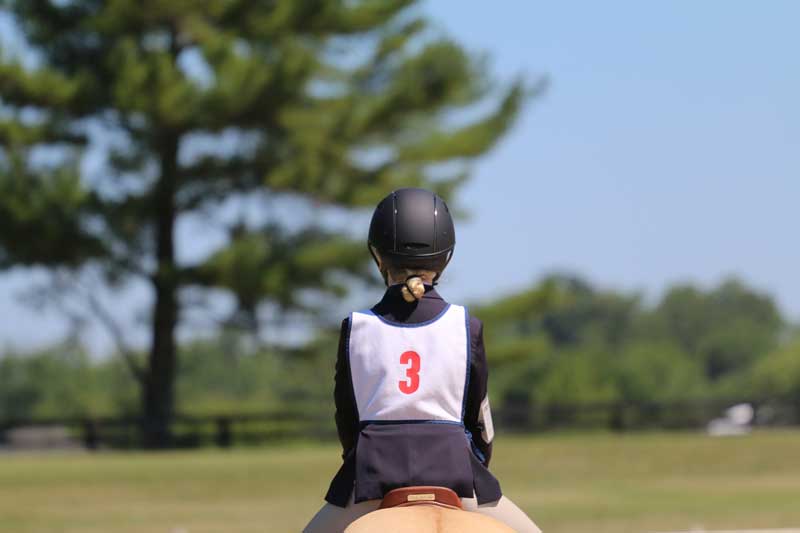
Choosing the right helmet is a crucial part of safe horseback riding, whether you’re practicing at home or stepping into the show ring. Riders often wonder about the difference between schooling and show helmets, and how to select the best option for their needs. While both types are designed to protect, their features, appearance, and intended uses can vary significantly. Understanding these distinctions helps ensure you meet safety standards, competition rules, and your own comfort preferences.
This guide breaks down the key contrasts between everyday riding helmets and those meant for competition. We’ll look at design, safety certifications, comfort, style, and when you might need each type. If you’re new to equestrian gear or want to make sure your equipment is up to date, you’ll find practical advice here to help you ride with confidence.
For those interested in eventing or multi-phase competitions, you may also want to check out how to choose a helmet for eventing for more detailed safety considerations across disciplines.
Understanding the Purpose: Everyday Riding vs. Competition
At the core, the main difference between schooling and show helmets lies in their intended use. Schooling helmets are designed for daily practice, training sessions, and casual riding. They prioritize comfort, breathability, and durability to withstand frequent use. Show helmets, on the other hand, are crafted to meet the stricter standards of formal competitions. They often feature a more polished look, subtle design elements, and must comply with specific discipline rules regarding appearance and safety certification.
Key Features of Schooling Helmets
Helmets for schooling are built with practicality in mind. Here are some characteristics that set them apart:
- Ventilation: Most schooling helmets have multiple vents to keep riders cool during long training sessions.
- Lightweight Construction: Materials are chosen for comfort and ease of wear over extended periods.
- Durability: These helmets are made to handle daily knocks and bumps, often with removable, washable liners.
- Affordability: Since they’re used frequently, schooling helmets tend to be more budget-friendly than their show counterparts.
- Variety of Styles: Riders can choose from a range of colors and designs, as there are usually no restrictions for schooling attire.

What Sets Show Helmets Apart?
Helmets intended for competition are designed with both safety and presentation in mind. Here’s what distinguishes them:
- Elegant Appearance: Show helmets often feature a sleek, matte or velvet finish, and minimalistic design to match formal riding attire.
- Discipline-Specific Rules: Each discipline (such as dressage, show jumping, or hunter classes) may have its own requirements for helmet color, finish, or even brand.
- Advanced Safety Certifications: Many competitions require helmets to meet the latest safety standards, such as ASTM/SEI, PAS015, or VG1. Always check the rulebook for your event.
- Less Ventilation: To maintain a traditional look, some show helmets have fewer vents, which can make them warmer during long classes.
- Higher Price Point: The combination of advanced safety features and refined aesthetics often results in a higher cost.
Comparing Safety Standards and Certifications
Regardless of style, safety is non-negotiable. Both schooling and show helmets must meet recognized safety standards to provide effective protection. However, show helmets may need to comply with the most current certifications to be allowed in competition. It’s important to check your helmet’s label and ensure it meets the standards required by your riding organization or event.
For a deeper dive into helmet safety technology, such as MIPS (Multi-directional Impact Protection System), see this comprehensive explanation of equestrian riding hat safety systems.
When evaluating helmets, also consider factors like weight and fit. A lighter helmet can reduce neck fatigue, especially during long rides. For more on this, read about how to evaluate helmet weight for neck comfort.
Style, Fit, and Comfort: What to Look For
Comfort is essential for both daily riding and competition. Schooling helmets typically offer more adjustability and padding, making them ideal for long hours in the saddle. Show helmets, while still comfortable, may prioritize a snug, secure fit and a streamlined silhouette to complement formal attire. Always try on helmets with your hair styled as you would wear it while riding, and adjust the harness for a secure fit.
Some riders choose to own both types: one for everyday use and another reserved for shows. This helps keep the show helmet in pristine condition and ensures you always have a backup if one needs cleaning or replacement.

When to Use Each Type: Practical Scenarios
Understanding when to use a schooling helmet versus a show helmet can help you get the most out of your equipment:
- Daily Training: Use a schooling helmet for lessons, hacking, groundwork, and general riding. Their comfort and ventilation make them ideal for everyday activities.
- Competitions and Clinics: Reserve your show helmet for events where appearance and compliance with specific rules matter. Always check the event’s dress code and helmet requirements in advance.
- Travel: If you’re transporting your helmet, consider how to protect it from damage. For tips, see how to travel with an equestrian helmet.
Some riders keep their show helmet in a protective bag and only bring it out for competitions, while their schooling helmet handles the rigors of daily use. This approach extends the life of both helmets and ensures you’re always prepared.
Maintaining and Replacing Your Helmet
Regardless of type, helmets should be replaced after a significant impact or every 3–5 years, even if no damage is visible. Sweat, sun, and regular wear can degrade materials over time. Removable liners should be washed regularly, and helmets should be stored in a cool, dry place away from direct sunlight. For more on helmet features like visors, see this guide to equestrian helmet visor safety.
Always inspect your helmet for cracks, loose parts, or worn straps. If you notice any damage, replace it immediately to maintain optimal protection.
FAQ: Common Questions About Riding Helmets
Do I Need Separate Helmets for Schooling and Showing?
While not strictly required, many riders prefer to have both. A schooling helmet is ideal for daily use, while a show helmet is kept in top condition for competitions. This helps you meet both safety and appearance standards.
Are Schooling Helmets Less Safe Than Show Helmets?
No. Both types must meet recognized safety certifications. The main differences are in style, ventilation, and compliance with competition dress codes. Always check that your helmet meets current safety standards, regardless of its intended use.
How Can I Tell If My Helmet Is Approved for Competition?
Look for labels inside the helmet indicating compliance with standards like ASTM/SEI, PAS015, or VG1. Check your discipline’s rulebook for specific requirements, as some events may only accept certain certifications or styles.
What Should I Do If My Helmet Takes a Hard Hit?
Replace it immediately, even if there’s no visible damage. The protective materials inside may be compromised after an impact, reducing effectiveness in future falls.
Can I Customize My Schooling Helmet?
Yes, schooling helmets often come in a variety of colors and designs, and some brands offer custom options. However, always ensure that any modifications do not compromise the helmet’s safety or void its certification.
Conclusion: Making the Right Choice for Your Riding Goals
Understanding the difference between schooling and show helmets helps riders make informed decisions about their gear. By choosing the right helmet for each situation, you prioritize both safety and presentation. Remember to check for current safety certifications, maintain your helmet regularly, and select a fit that keeps you comfortable in the saddle. Whether you’re training at home or competing in the ring, the right helmet is an essential part of your equestrian journey.