

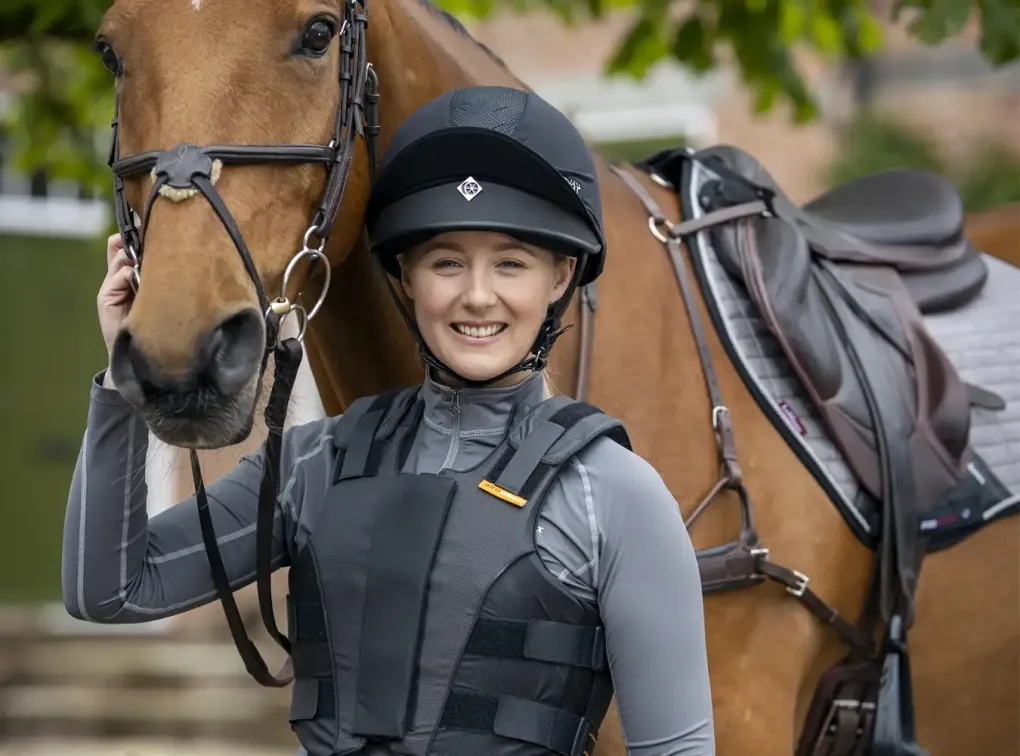
Equestrian sports are as diverse as the riders and horses who participate in them. From dressage to eventing, show jumping to endurance riding, each discipline presents unique challenges and risks. Understanding the safety differences in equestrian disciplines is essential for every rider aiming to protect themselves while enjoying their chosen sport. Selecting the right protective equipment not only helps reduce injury but also ensures compliance with discipline-specific regulations and standards.
Whether you’re a newcomer or a seasoned competitor, knowing how gear requirements vary across disciplines can make a significant difference in your safety. This article explores the key contrasts in protective gear, the reasons behind them, and how to make informed choices. For those interested in a deeper dive into helmet selection for specific events, see our guide on how to choose a helmet for eventing.
Understanding Risk Factors Across Riding Sports
Each equestrian discipline comes with its own set of risks. For example, eventing combines dressage, cross-country, and show jumping, exposing riders to both high speeds and solid obstacles. In contrast, dressage emphasizes precision and control, with a lower risk of falls but potential for overuse injuries. Show jumping involves quick turns and high fences, increasing the likelihood of rotational falls. Endurance riding tests stamina over long distances, where fatigue can lead to accidents.
The safety differences in equestrian disciplines are shaped by these risk profiles. This is why gear requirements and recommendations differ so widely. For instance, a helmet designed for eventing may prioritize impact protection and ventilation, while a dressage helmet might focus on comfort and aesthetics. Understanding these distinctions helps riders select equipment that matches their discipline’s demands.
Helmets: Not All Riding Helmets Are Created Equal
Helmets are the cornerstone of rider safety, but not all helmets are suitable for every discipline. Standards such as ASTM/SEI, VG1, and PAS015 guide helmet design, but some disciplines require additional features. For example, eventing and cross-country helmets often include extended coverage and enhanced impact absorption to protect against falls at speed and over fixed obstacles.
Show jumping helmets are designed to be lightweight and well-ventilated, balancing safety with rider comfort during intense rounds. Dressage helmets, while still meeting safety standards, may offer more elegant designs to complement formal attire. Advances in helmet technology, such as the Multi-directional Impact Protection System (MIPS technology for rotational impact protection), are becoming increasingly common across all disciplines, offering improved protection against certain types of falls.
For those interested in the science behind helmet safety, our article on understanding rotational impact in riding falls provides a detailed explanation of how these systems work.
Body Protectors and Vests: Discipline-Specific Requirements
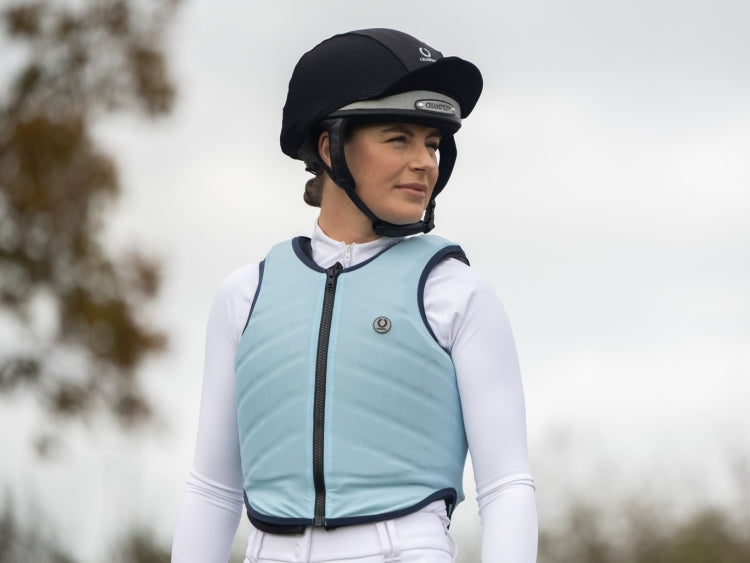
Body protectors are mandatory in some equestrian sports and optional in others. In eventing, especially during the cross-country phase, riders must wear certified body protectors to shield the torso from impact with obstacles or the ground. These vests are designed to absorb and distribute force, reducing the risk of serious injury to the chest, ribs, and internal organs.
Show jumping and dressage typically do not require body protectors, though some riders choose to wear them for added peace of mind. In disciplines like endurance or western riding, body protectors are rare, as the risk profile differs and comfort over long periods is prioritized. However, advances in lightweight, flexible materials are making protective vests more appealing across a broader range of sports.
Footwear, Gloves, and Other Protective Gear
While helmets and vests are the most visible safety equipment, other gear plays a crucial role in rider protection. Proper riding boots with a defined heel prevent the foot from slipping through the stirrup, reducing the risk of being dragged in a fall. Gloves improve grip and help prevent blisters, especially in disciplines requiring frequent rein adjustments.
Spurs, whips, and other accessories are regulated differently depending on the discipline. For example, some competitions restrict the use of certain types of spurs or bits to ensure horse welfare and rider control. Understanding these rules is part of staying safe and compliant in your chosen sport.
Material Innovations and Comfort Considerations
Modern protective gear has evolved significantly, with new materials offering better protection and comfort. Carbon fiber, for example, is now used in some helmets for its strength-to-weight ratio. This allows for lighter helmets that do not compromise on safety, making them ideal for disciplines where neck comfort is a concern. Riders interested in learning more about these advancements can read about the benefits of carbon fiber riding helmets.
Ventilation, moisture-wicking liners, and ergonomic designs are now standard in high-quality gear. These features help riders stay cool and focused, especially during long competitions or in hot weather. Adjustable fit systems ensure that helmets and vests stay securely in place, which is crucial for effective protection.
Regulations and Compliance: Staying Up to Date
Safety standards and competition rules are regularly updated to reflect new research and technology. Riders must stay informed about the latest requirements for their discipline. For example, some organizations now mandate the use of helmets with rotational impact protection, while others specify minimum certification levels for body protectors.
Checking with your governing body or event organizer before competing is essential. Not only does this ensure your gear is compliant, but it also gives you peace of mind that you’re as protected as possible. Riders can also benefit from resources that explain how to evaluate gear for comfort and safety, such as our article on how to evaluate helmet weight for neck comfort.
Choosing Gear for Your Discipline
Selecting the right protective equipment starts with understanding the specific risks of your chosen sport. Consider the following tips:
- Assess Your Discipline’s Risk Profile: High-speed or jumping sports usually require more robust protection.
- Check for Certification: Always choose helmets and vests that meet or exceed current safety standards.
- Prioritize Fit and Comfort: Ill-fitting gear can compromise safety and distract you during competition.
- Stay Informed: Regularly review rule changes and new product releases relevant to your discipline.
- Invest in Quality: While cost is a factor, high-quality gear lasts longer and offers better protection.
Remember, the right gear can make a significant difference in both performance and safety. Take the time to research, try on different options, and consult with experienced riders or trainers.
Frequently Asked Questions
What are the main safety differences between eventing and dressage?
Eventing involves high-speed jumping over fixed obstacles, so it requires helmets with advanced impact protection and mandatory body protectors. Dressage, being less risky, typically requires only a certified helmet, with body protectors optional.
Are all riding helmets suitable for every equestrian discipline?
No, helmets are designed with specific disciplines in mind. Features like ventilation, weight, and coverage vary. Always check that your helmet meets the standards and requirements for your chosen sport.
How often should I replace my riding helmet or body protector?
Helmets should be replaced every five years or immediately after a significant impact. Body protectors should be checked for wear and replaced according to the manufacturer’s guidelines or after a fall that compresses the material.