

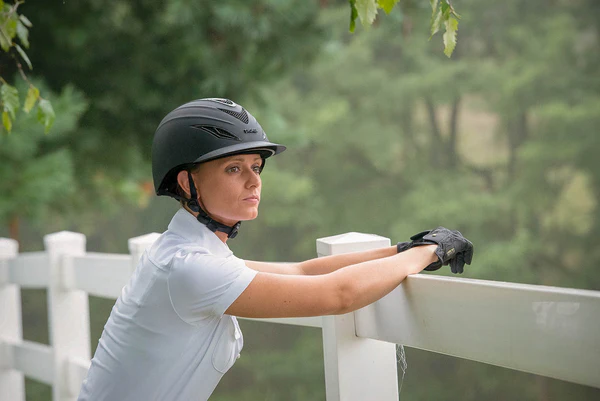
Cross country riding demands both safety and comfort from every piece of equipment a rider chooses. Among the most important gear is the helmet, and in particular, the design of the skull cap. One feature that stands out in modern designs is the soft peak. Understanding the advantages of this element can help riders make informed decisions for both performance and protection.
Whether you’re an experienced eventer or just starting out, choosing the right helmet can make a significant difference in your riding experience. For those interested in a deeper dive into helmet selection for different disciplines, the article on how to choose a helmet for eventing provides valuable guidance on safety across all three phases.
Understanding Soft Peaks on Modern Skull Caps
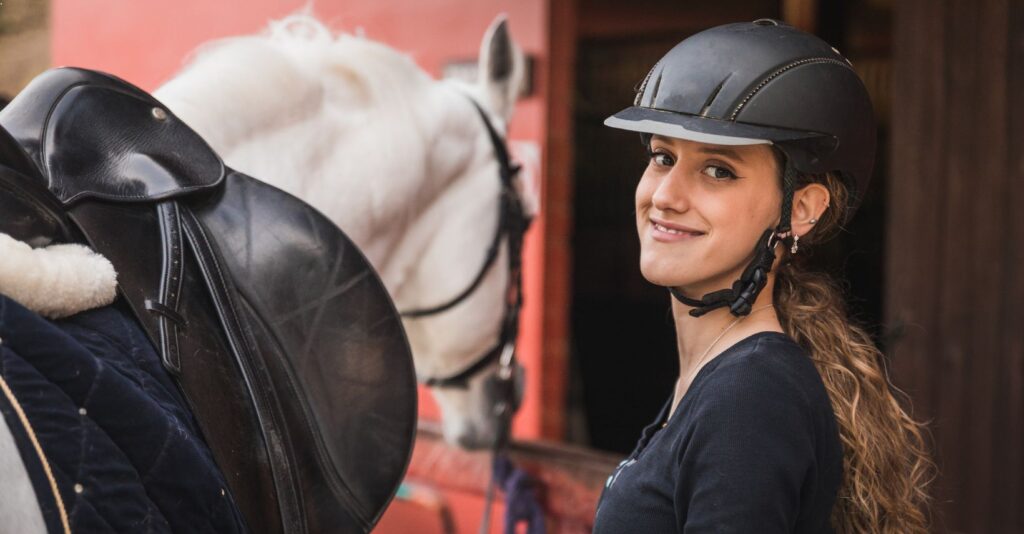
The soft peak is a flexible, often foam-based extension at the front of a skull cap. Unlike traditional hard brims, these peaks are designed to bend or collapse upon impact. This seemingly small change in helmet design brings several practical advantages, especially for riders tackling the unpredictable terrain and obstacles found in cross country courses.
Traditional equestrian helmets often featured rigid brims, which could pose risks during falls. The evolution toward softer, more adaptable peaks reflects a growing awareness of rider safety and the need for gear that adapts to real-world riding conditions.
Key Safety Advantages for Cross Country Riders
One of the most important benefits of a soft peak on skull caps is the reduction of injury risk during a fall. In cross country, riders are more likely to experience rotational falls or impact with solid objects. A hard brim can dig into the ground or the rider’s face, potentially causing facial injuries or even neck trauma. In contrast, a soft peak crumples or bends, minimizing the chance of the helmet catching or causing secondary injuries.
Recent advances in helmet safety, such as the inclusion of MIPS technology, have further highlighted the importance of flexible features. For a detailed explanation of what makes a riding helmet safe, including the role of rotational impact protection, see this comprehensive guide to helmet safety standards.
- Reduced Facial Injury: Soft peaks are less likely to cause cuts or bruises if the rider lands face-first.
- Lower Neck Strain: The flexible design helps prevent the helmet from jarring the neck during a fall.
- Minimized Snagging: A soft peak is less likely to catch on branches or obstacles, reducing the risk of sudden stops or twists.
Comfort and Practicality in Challenging Conditions
Comfort plays a crucial role in rider performance, especially during long or demanding cross country rounds. The soft peak not only enhances safety but also contributes to overall comfort in several ways:
- Lightweight Feel: Without the weight of a hard brim, helmets with soft peaks are often lighter, reducing fatigue over time.
- Improved Visibility: The flexible peak can be shaped to suit the rider’s preference, offering shade without obstructing vision.
- Weather Adaptability: Soft peaks provide sun protection and help divert rain, yet won’t become a hazard in windy or wet conditions.
For those interested in the technical aspects of helmet fit and sizing, learning how to measure head circumference for horses ensures that the helmet sits correctly, maximizing both comfort and protection.

Comparing Soft Peaks to Traditional Hard Brims
When evaluating helmet options, it’s helpful to compare the soft peak design to more traditional hard-brimmed helmets. While hard brims can offer a classic look, especially in disciplines like show jumping or dressage, they are less suited to the unpredictable nature of cross country. The flexible design of a soft peak aligns better with the demands of outdoor riding, where falls and collisions with natural obstacles are more likely.
Additionally, many modern helmets with soft peaks now meet or exceed international safety standards. Riders interested in the regulatory differences can explore the difference between UK and US riding standards for further insight into helmet certification and requirements.
Maintenance and Durability of Soft Peak Helmets
Another practical consideration is the durability and care of helmets with soft peaks. These peaks are typically made from robust, weather-resistant materials that withstand regular use and exposure to the elements. Cleaning is straightforward—most can be wiped down with a damp cloth and mild soap. Unlike hard brims, which can crack or break upon impact, soft peaks tend to retain their shape and function even after minor bumps or scrapes.
For riders who value longevity and easy care, this makes the soft peak option especially appealing. It’s also worth noting that many modern helmets incorporate benefits of shock-absorbing liners, further enhancing safety and comfort in tandem with the flexible peak design.
Frequently Asked Questions
Are soft peaks allowed in all cross country competitions?
Most governing bodies for eventing and cross country permit helmets with soft peaks, as they are recognized for their safety benefits. However, it’s always best to check specific competition rules, as some organizations may have unique requirements regarding helmet design.
Do soft peaks affect helmet certification or safety ratings?
No, the presence of a soft peak does not negatively impact helmet certification. In fact, many helmets with flexible peaks meet or exceed international safety standards, and some are specifically designed to enhance protection during falls.
Can I replace a damaged soft peak, or do I need a new helmet?
If the soft peak is damaged but the helmet shell and liner are intact, some manufacturers offer replacement peaks. However, if the helmet has sustained a significant impact, it’s recommended to replace the entire helmet to ensure continued safety.
Conclusion
Choosing a helmet with a soft peak offers clear advantages for cross country riders, from enhanced safety during falls to improved comfort and practicality on course. As helmet technology continues to evolve, the flexible peak stands out as a smart adaptation to the real-world demands of eventing. Riders looking to maximize both protection and performance will find this feature a valuable addition to their gear, supporting a safer and more enjoyable riding experience.