

Wearing a helmet is non-negotiable for safety, whether you’re cycling, horseback riding, or motorbiking. However, one common frustration that comes with protective headgear is the dreaded “helmet hair.” Flattened, frizzy, or sweaty hair can be a nuisance after a ride, especially if you’re heading somewhere afterward. Fortunately, there are effective ways to minimize hair issues without sacrificing safety or comfort. This article explores practical tips and solutions for how to prevent helmet hair while riding, so you can enjoy your ride and still look presentable when you take your helmet off.
Before diving into solutions, it’s important to recognize that helmet fit and design play a significant role in both safety and hair management. If you’re unsure about choosing the right helmet, check out this guide on how to find the right riding helmet for your head shape for expert advice on fit and comfort.
Understanding the Causes of Helmet Hair
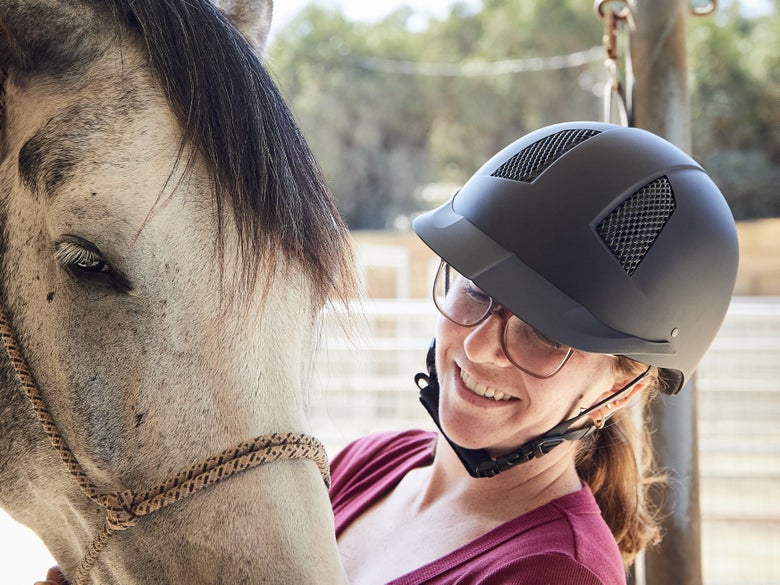
Helmet hair is caused by a combination of pressure, friction, sweat, and lack of airflow. When a helmet presses down on your hair for an extended period, it flattens the strands and can disrupt your natural style. Sweat and heat buildup inside the helmet can also lead to frizz, oiliness, or limp hair. The type of helmet, your hair texture, and the way you prepare your hair before riding all contribute to how your hair looks afterward.
Choosing the Right Helmet for Hair and Safety
Not all helmets are created equal when it comes to hair management. Look for helmets with good ventilation and moisture-wicking liners. These features help reduce sweat and allow your scalp to breathe, minimizing the risk of flat or greasy hair. Some modern helmets also feature removable, washable liners, which can help keep both your helmet and your hair fresher.
For those interested in advanced safety and comfort, consider helmets with innovative technologies like the MIPS system for rotational impact protection. These designs often include enhanced airflow and improved fit, which can benefit both your safety and your hair’s appearance.
Remember, a helmet should fit snugly but not be overly tight. If your helmet is too small, it will press down excessively on your hair and scalp, increasing the likelihood of helmet hair. If you’re unsure about sizing, learn more about how to measure head circumference for horses (the same principles apply for riders) to ensure a comfortable, secure fit.
Pre-Ride Hair Preparation Tips
How you prepare your hair before putting on your helmet can make a big difference. Here are some practical steps to help minimize hair issues:
- Start with clean, dry hair: Oily or damp hair is more likely to become limp or frizzy under a helmet. If you must ride with wet hair, use a microfiber towel to remove excess moisture first.
- Avoid heavy styling products: Gels, waxes, and thick creams can mix with sweat and make hair look greasy. Opt for lightweight leave-in conditioners or anti-frizz sprays.
- Choose a protective hairstyle: Braids, low ponytails, or buns can help keep hair contained and reduce tangling. For short hair, a simple headband or bandana can help keep strands in place.
- Use a silk or satin liner: Placing a silk scarf or a purpose-made helmet liner between your hair and the helmet reduces friction and static, helping to maintain your style.
During the Ride: Managing Sweat and Friction
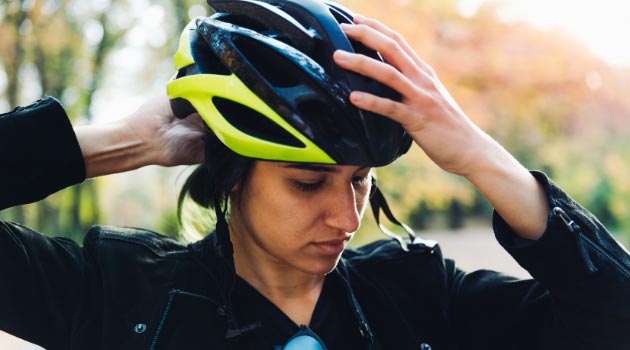
Even with the best preparation, riding can generate heat and sweat. Here’s how to keep your hair in better shape during your ride:
- Ventilated helmets: Choose helmets with multiple vents to allow airflow and reduce moisture buildup.
- Moisture-wicking liners: These liners draw sweat away from your scalp, keeping both your head and hair drier.
- Helmet covers: Some riders use lightweight helmet covers made of breathable fabrics to add a layer of protection for both helmet and hair.
- Take breaks: If possible, remove your helmet briefly during long rides to let your scalp breathe and adjust your hair if needed.
After the Ride: Quick Fixes for Helmet Hair
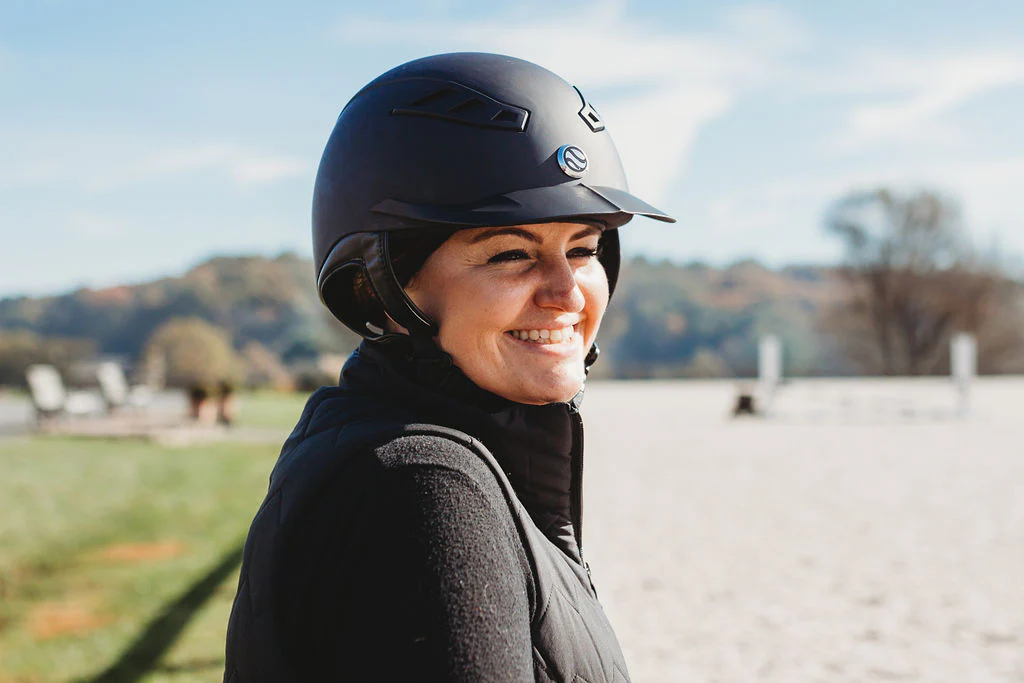
Once your ride is over, there are several ways to revive your hair quickly:
- Carry a travel-sized brush or comb: Gently fluff your hair at the roots and restyle as needed.
- Use dry shampoo: A quick spray absorbs excess oil and adds volume, especially at the crown where hair tends to flatten.
- Flip your head upside down: Shake out your hair to restore some natural lift and movement.
- Keep hair ties and clips handy: If your hair is beyond saving, a stylish ponytail, braid, or bun can be a practical solution.
- Moisturize ends: If you notice frizz or dryness, a drop of lightweight hair oil can help smooth things out without making hair greasy.
Long-Term Strategies for Healthier Hair Under Helmets
Consistent helmet use can affect your hair’s health over time. Here are some ongoing strategies to keep your hair looking its best:
- Regular trims: Keeping ends healthy reduces tangling and breakage caused by helmet friction.
- Deep conditioning: Use a nourishing mask once a week to combat dryness and maintain hair strength.
- Switch up your part: Changing your hair part occasionally can prevent persistent flattening in one area.
- Clean your helmet: Wash removable liners and wipe down your helmet regularly to prevent buildup of sweat, oil, and bacteria.
For more on helmet care and when to replace your gear, see the article on the impact of age on helmet protective foam for safety and hygiene tips.
Frequently Asked Questions
Can certain hairstyles help reduce helmet hair?
Yes, protective styles like braids, low ponytails, or buns help keep hair contained and minimize tangling and flattening. For short hair, headbands or silk scarves can help maintain your style.
Do helmet liners really make a difference?
Helmet liners made from silk, satin, or moisture-wicking materials can significantly reduce friction, absorb sweat, and help preserve your hairstyle. They also make cleaning your helmet easier.
How often should I clean my helmet to prevent hair issues?
It’s best to clean your helmet liner after every few rides, especially if you sweat heavily. Regular cleaning prevents buildup of oils and bacteria, which can contribute to scalp irritation and hair problems.
Conclusion
While helmet hair is a common challenge, it doesn’t have to be inevitable. By choosing the right helmet, preparing your hair properly, and using a few post-ride tricks, you can keep your hair looking fresh and healthy. Prioritizing both safety and comfort ensures you can focus on enjoying your ride without worrying about your hairstyle. For those interested in helmet standards and retention systems, you might also find value in learning about the importance of a secure helmet retention system for optimal safety and fit.