

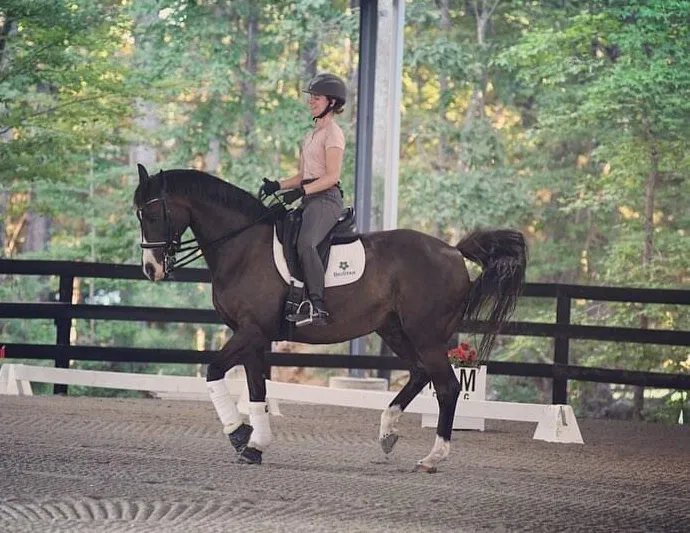
Flying changes are among the most impressive and technically demanding movements in dressage. Riders and horses performing these transitions with precision demonstrate a high level of training, athleticism, and communication. For those new to the discipline or looking to deepen their understanding, this guide offers a clear explanation of what flying changes are, why they matter, and how they are taught and judged in the arena.
Whether you’re an aspiring dressage competitor, a dedicated enthusiast, or simply curious about advanced equestrian techniques, understanding the mechanics and requirements of flying changes is essential. These movements not only showcase a horse’s balance and responsiveness but also reflect the rider’s subtlety and skill. If you’re also interested in safety and equipment, you may want to learn about how to find the right riding helmet for your head shape to ensure a secure and comfortable ride.
Understanding the Basics of Flying Changes
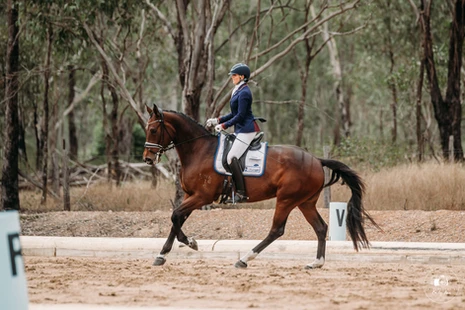
In dressage, a flying change is a movement where the horse changes the leading leg in canter without breaking stride or coming back to trot or walk. This means the horse switches from, for example, a left lead canter to a right lead canter in a single, fluid stride. The change must be smooth, balanced, and executed at the rider’s precise command.
This maneuver is not only a test of the horse’s athleticism but also of the rider’s ability to communicate subtle cues. Flying changes are introduced at higher levels of dressage, typically starting at the Advanced Medium level (in some countries, Third Level or above). They become even more complex in sequences such as tempi changes, where the horse performs multiple changes at set intervals (every stride, every two strides, etc.).
Why Flying Changes Matter in Dressage
Mastering flying changes is a milestone in a horse’s training. They are a required element in upper-level dressage tests and are valued for several reasons:
- Demonstrates Balance and Suppleness: The horse must remain straight and balanced during the change, showing suppleness through the body.
- Tests Rider Precision: The rider must give clear, well-timed aids to cue the change without disrupting rhythm or relaxation.
- Essential for Advanced Movements: Sequences of flying changes, such as tempi changes, are hallmarks of Grand Prix dressage and require exceptional coordination.
For those just starting in the discipline, understanding the progression from simple to flying changes is crucial. Riders typically begin by teaching their horses simple changes through walk before advancing to the more challenging flying change.
How Horses Learn to Perform Flying Changes
Teaching a horse to perform a flying change requires patience, systematic training, and a solid foundation in basic canter work. The process generally follows these steps:
- Establishing Straightness and Balance: The horse must be able to canter straight and maintain balance on both leads.
- Simple Changes Through Walk: Riders first teach the horse to change leads by transitioning to walk and then picking up the new lead. This helps the horse understand the concept of changing direction and balance.
- Introducing the Flying Change: Once the horse is confident with simple changes, the rider begins to ask for a change of lead directly in canter, often on a diagonal or through a figure such as a serpentine.
- Refining the Aids: The rider uses coordinated leg, seat, and rein aids to cue the change. Timing is critical; the request must come as the horse’s leading foreleg is about to leave the ground.
- Reward and Repetition: Horses learn best through positive reinforcement and consistent repetition. Early changes may be unbalanced or late behind, but with practice, the movement becomes more reliable and expressive.
It’s important to progress at the horse’s pace and avoid drilling the movement, which can lead to tension or confusion. Working with a qualified trainer can help ensure the horse develops confidence and correct technique.
Common Challenges and Solutions
Even experienced riders encounter difficulties when teaching or performing flying changes. Some frequent issues include:
- Late Changes Behind: The horse changes the front legs before the hind legs, resulting in a disunited canter. This often indicates a lack of engagement or straightness.
- Anticipation: The horse may begin to change leads without being asked, especially if the rider cues in the same place repeatedly. Varying the location and timing can help.
- Lack of Impulsion: Without enough energy and engagement from the hindquarters, the change may be sluggish or incomplete.
- Rider Timing: Mistimed aids can confuse the horse or disrupt the canter rhythm. Practicing the feel of the canter stride and working with a coach can improve timing.
Addressing these challenges often involves returning to basics, such as transitions, lateral work, and exercises to improve straightness and engagement.
Flying Changes in Competition: What Judges Look For
In the dressage arena, flying changes are evaluated based on several criteria:
- Correctness: The change must occur in a single stride, with both front and hind legs switching leads simultaneously.
- Straightness: The horse should remain straight through the body, without swinging the quarters or drifting sideways.
- Balance and Impulsion: The movement should be energetic, uphill, and maintain the canter’s rhythm and tempo.
- Calmness and Submission: The horse should remain relaxed, attentive, and responsive to the rider’s aids.
Penalties are given for late changes, lack of straightness, or visible tension. In higher-level tests, sequences of flying changes (such as tempi changes) are performed, increasing the technical difficulty and the need for precise communication between horse and rider.
Tips for Riders Working Toward Advanced Movements
For riders aiming to master flying changes, a few practical tips can make the journey smoother:
- Build a Strong Foundation: Ensure your horse is responsive to the aids, balanced, and able to perform simple changes reliably before introducing flying changes.
- Work with a Trainer: An experienced instructor can provide valuable feedback on timing, technique, and troubleshooting issues as they arise.
- Use Ground Poles: Some trainers use ground poles to help horses understand the timing and mechanics of the change, especially in the early stages.
- Stay Patient: Progress may be gradual. Celebrate small improvements and avoid drilling the movement to prevent frustration or tension.
- Keep Learning: Resources such as the beginner equestrian’s guide to dressage riding can offer additional insights and exercises to support your training journey.
Frequently Asked Questions
What is the difference between a simple change and a flying change?
A simple change involves transitioning from canter to walk (or trot) and then picking up the new lead, while a flying change is performed directly from one canter lead to the other without breaking stride. The latter requires greater balance, coordination, and training.
At what level are flying changes introduced in dressage tests?
Flying changes are typically introduced at Advanced Medium or Third Level, depending on the country’s dressage system. They become more complex and frequent in higher-level tests, such as Prix St. Georges and Grand Prix.
How can I tell if my horse is ready to learn flying changes?
Your horse should be able to canter straight and balanced on both leads, perform simple changes reliably, and respond promptly to your aids. If these basics are established, you can begin introducing the concept of the flying change with the help of a knowledgeable trainer.
Conclusion
Flying changes represent a significant achievement in dressage training, reflecting the partnership, athleticism, and communication between horse and rider. By understanding the mechanics, training process, and judging criteria, riders can set realistic goals and enjoy the journey toward mastering this advanced movement. For those looking to further their dressage knowledge or improve their equipment, exploring topics such as the difference between UK and US riding standards can provide valuable context for your equestrian pursuits.