

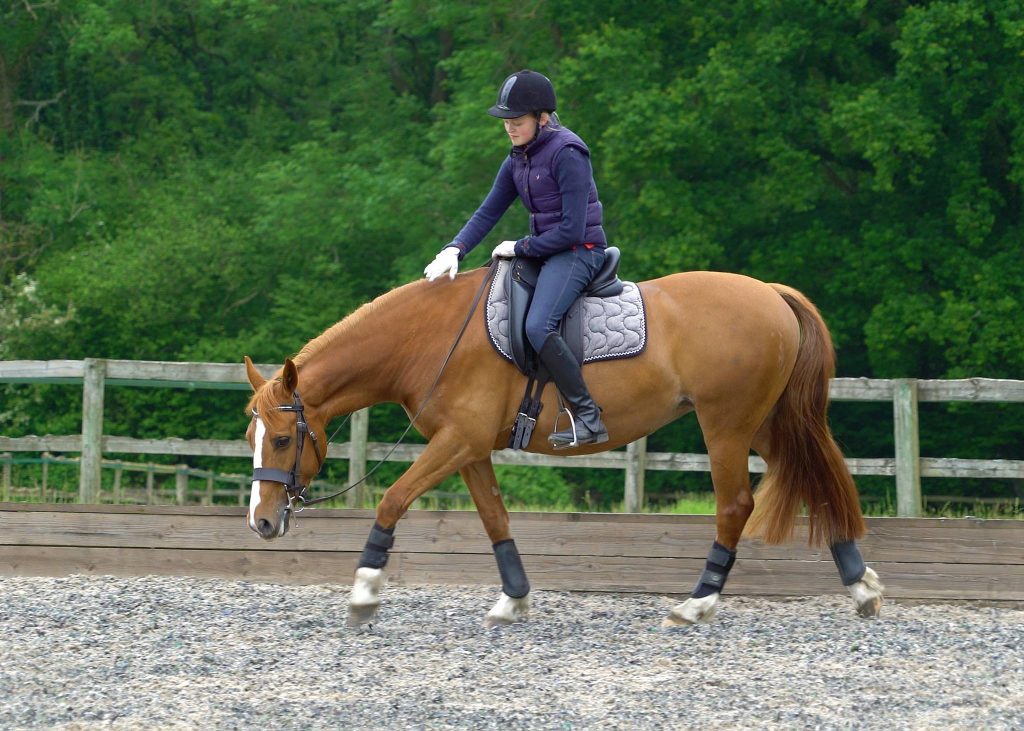
Finding the best saddle for dressage training is essential for riders aiming to achieve harmony, balance, and precision in their work with horses. The right equipment not only enhances the rider’s position but also supports the horse’s movement, comfort, and long-term soundness. With a wide range of options available, understanding what makes a saddle suitable for dressage—and how to select the right one—can make a significant difference in your training journey.
Before exploring the key features, types, and considerations for choosing a dressage saddle, it’s important to recognize how equipment choices impact both safety and performance. For example, just as a properly fitted helmet is crucial for rider safety, a well-chosen saddle is foundational for effective communication and comfort. If you’re also interested in optimizing your riding gear, you may want to read about how to find the right riding helmet for your head shape to complement your dressage setup.
What Sets Dressage Saddles Apart?
Dressage saddles are specifically designed to support the unique demands of classical riding. Unlike general-purpose or jumping saddles, these saddles feature a deeper seat, longer and straighter flaps, and a close-contact design. This construction helps the rider maintain a vertical posture, encouraging subtle aids and clear communication with the horse.
Key characteristics include:
- Deep seat for stability and balance
- Long, straight flaps to accommodate a longer leg position
- Minimal padding between the rider and horse for enhanced feel
- Pronounced knee blocks for leg support without restricting movement
These features make dressage saddles the preferred choice for riders focused on precision, rhythm, and subtlety in their training sessions.
Key Features to Look For in a Quality Dressage Saddle
When searching for the ideal saddle for intensive flatwork, several factors should guide your decision. The following features are especially important for both horse and rider:
- Fit for the Horse: The saddle must distribute weight evenly across the horse’s back, avoiding pressure points and allowing free movement of the shoulders and withers.
- Fit for the Rider: The seat size, depth, and shape should support the rider’s pelvis and leg position, promoting a secure yet relaxed posture.
- Tree Construction: A well-constructed tree (the internal framework) ensures durability and proper weight distribution. Adjustable trees are increasingly popular for accommodating changes in the horse’s physique.
- Panel Design: Panels should be shaped and flocked to match the horse’s back, with enough cushioning to protect the spine and muscles.
- Leather Quality: High-grade, supple leather enhances comfort, grip, and longevity.
- Balance and Center of Gravity: The saddle should naturally position the rider over the horse’s center of gravity for optimal performance.
It’s also wise to consider the adjustability of the saddle. Some modern models offer interchangeable gullets or adjustable panels, which can be a practical solution for horses that change shape with training or age.
Popular Types and Brands for Dressage Training
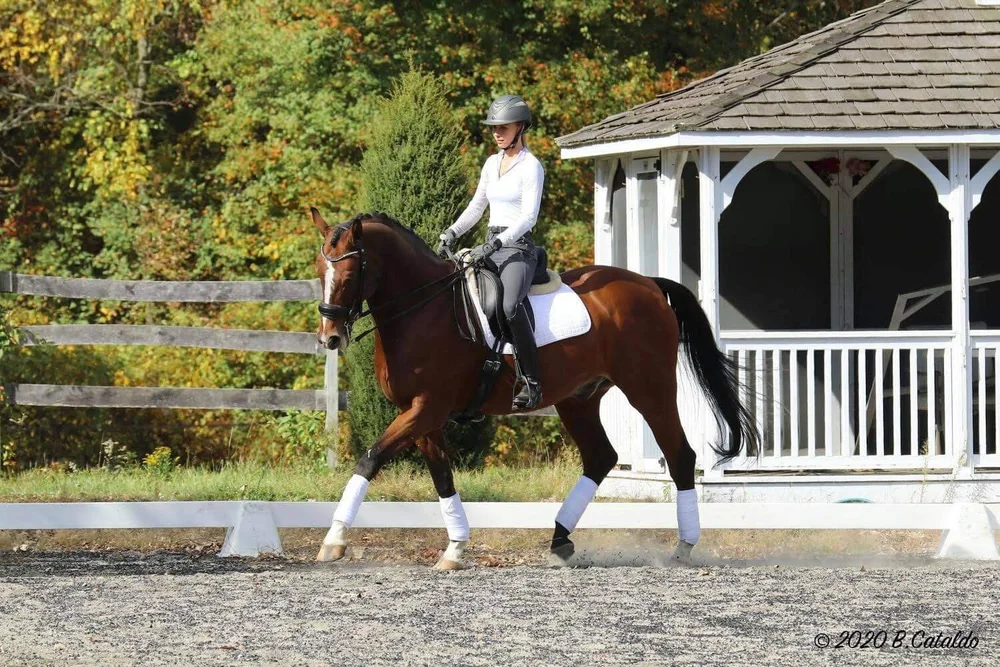
The market offers a variety of saddle types and reputable brands, each with distinct advantages. Some of the most sought-after options include:
- Traditional Leather Saddles: Known for their classic look, durability, and comfort. Brands like Passier, Albion, and Stubben are highly regarded for their craftsmanship.
- Synthetic Saddles: Lightweight and easy to maintain, synthetic options from brands like Wintec and Bates are popular for riders seeking affordability and adjustability.
- Custom Saddles: For those with specific fitting needs, custom saddles from companies such as Custom Saddlery or Schleese offer tailored solutions for both horse and rider.
When evaluating brands, consider their reputation for quality, after-sales service, and the availability of fitting services. Trying several models and consulting with a qualified saddle fitter can help you make an informed choice.
How to Ensure the Best Fit for Your Horse and You
A well-fitted saddle is crucial for comfort, safety, and performance. Here are some steps to ensure the right fit:
- Assess Your Horse’s Conformation: Take note of the horse’s back shape, wither height, and muscle development. This will influence the type of tree and panel design needed.
- Measure Yourself: The seat size should allow you to sit comfortably with a hand’s width behind you and your knee in line with the knee block.
- Test Ride: Always try the saddle in motion. Both you and your horse should feel balanced and unrestricted. Look for signs of discomfort, such as pinning ears, hollowing the back, or resistance.
- Consult a Professional: A certified saddle fitter can evaluate the fit and make necessary adjustments, ensuring long-term comfort and performance.
Remember, even the most expensive saddle will not perform well if it does not fit properly. Regular checks are recommended, especially as your horse’s shape changes with training or age.
Maintaining Your Dressage Saddle for Longevity
Proper care extends the life of your saddle and ensures consistent performance. Here are some maintenance tips:
- Clean Regularly: Wipe down the leather after each ride to remove sweat and dirt. Use a quality leather cleaner and conditioner weekly.
- Store Correctly: Keep the saddle in a dry, cool environment, away from direct sunlight. Use a saddle cover to protect it from dust and accidental scratches.
- Check Flocking and Tree: Have a professional inspect the flocking and tree annually. Adjustments may be needed as the saddle and horse change over time.
- Inspect Stitching and Billets: Regularly check for signs of wear and tear, replacing parts as needed to maintain safety.
Investing in quality care products and following a routine can help your saddle remain comfortable and functional for years.
Integrating Saddle Choice with Broader Training Principles
Choosing the right equipment is just one part of a successful dressage journey. It’s also important to align your tack choices with sound training principles. For a deeper understanding of effective training philosophies, consider exploring the core principles and priorities of dressage methodology. This resource offers valuable insights into developing a harmonious partnership with your horse, which is supported by the right saddle and gear.
Frequently Asked Questions
What is the difference between a dressage saddle and an all-purpose saddle?
A dressage saddle is designed with a deeper seat and longer, straighter flaps to support a vertical riding position and close contact with the horse. An all-purpose saddle has a more moderate seat and flap angle, making it suitable for a variety of disciplines but less specialized for the demands of dressage.
How often should I have my dressage saddle checked for fit?
It’s recommended to have your saddle fit evaluated by a professional at least once a year, or more frequently if your horse is young, in heavy training, or undergoing physical changes. Regular checks help prevent discomfort and long-term issues for your horse.
Can I use a synthetic saddle for advanced dressage training?
Yes, many synthetic saddles offer the structure and support needed for advanced work. They are lightweight, easy to maintain, and often come with adjustable features. However, some riders prefer the traditional feel and durability of leather saddles for higher-level competition.
Conclusion
Selecting the best saddle for dressage training involves balancing fit, quality, and personal preference. By focusing on features that support both horse and rider, consulting with professionals, and maintaining your equipment, you can set the foundation for success in the dressage arena. For those looking to further enhance their riding experience, don’t overlook the importance of other gear—such as helmets, which you can learn more about in our guide on the importance of a secure helmet retention system. With the right approach and equipment, you and your horse can achieve greater comfort, communication, and performance in every training session.