

Understanding frame and outline in dressage is essential for riders aiming to develop a harmonious partnership with their horse and achieve higher scores in competition. These concepts are central to the discipline, shaping how the horse moves, responds, and presents itself under saddle. Whether you are new to dressage or looking to refine your technique, grasping the principles behind a correct outline and frame will help you progress with clarity and confidence.
Before diving into the technical aspects, it’s important to recognize that a horse’s frame is not just about appearance—it reflects the animal’s balance, engagement, and willingness to work. A well-developed outline supports the horse’s health and athleticism, while also demonstrating the rider’s skill in communication and training. For those interested in maximizing both safety and performance, resources such as how to find the right riding helmet for your head shape can further enhance your riding experience.
What Do Frame and Outline Mean in Dressage?
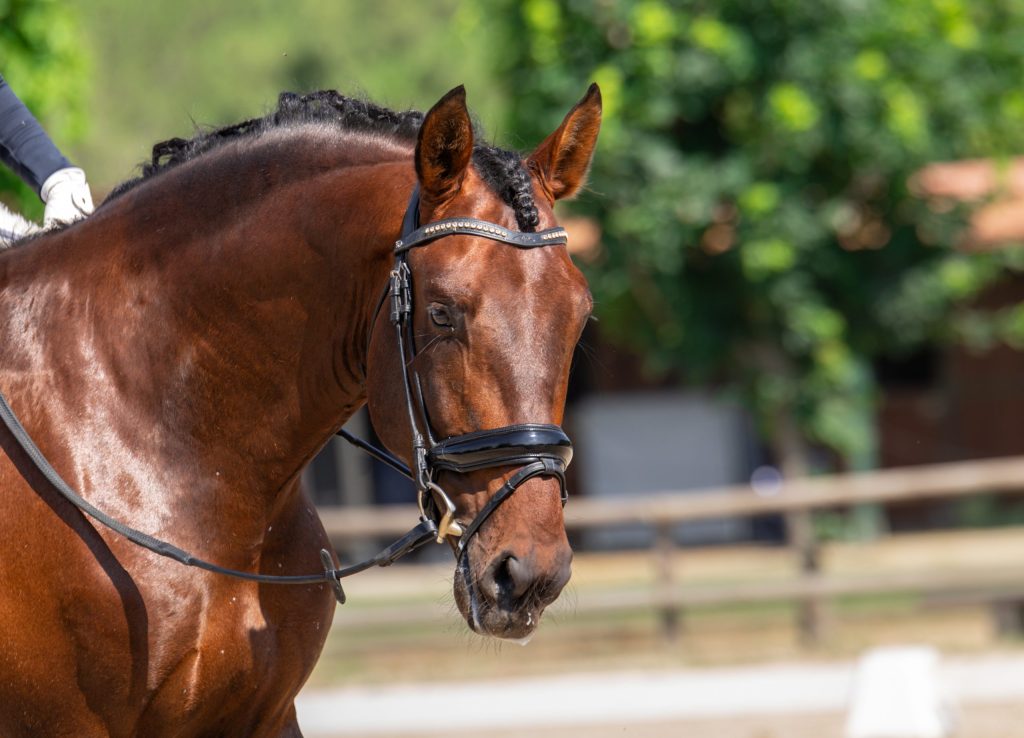
In the context of dressage, the frame refers to the horse’s posture and carriage as influenced by the rider’s aids. The outline describes the visible silhouette of the horse, particularly the line from the poll (top of the head) down the neck, along the back, and to the tail. A correct outline is rounded, with the horse stretching into the contact and moving with suppleness and engagement from behind.
Achieving a proper frame is not about forcing the horse’s head into a certain position. Instead, it is the result of correct training, where the horse learns to accept the bit, engage its hindquarters, and lift its back. This allows the horse to move in balance, supporting both its own body and the rider’s weight efficiently.
Why a Correct Outline Matters
Maintaining the right outline is fundamental for several reasons:
- Soundness and Longevity: A horse that moves in a correct frame is less likely to suffer from strain or injury, as its muscles and joints are working in harmony.
- Communication: The outline reflects the quality of the connection between horse and rider, showing that the horse is attentive and responsive to subtle aids.
- Performance: Judges in dressage look for horses that move with balance, rhythm, and impulsion, all of which are supported by a correct outline.
For more on the foundational principles that underpin these concepts, the British Dressage principles provide a comprehensive overview.
Developing the Dressage Frame: Key Elements
Building a correct dressage frame involves a combination of physical conditioning, correct aids, and patient training. Here are the main components:
- Engagement of the Hindquarters: The horse must step actively underneath its body with its hind legs, providing energy and lift to the movement.
- Lifted Back: A supple, lifted back allows for smooth, elastic movement and helps the horse carry the rider’s weight comfortably.
- Acceptance of the Bit: The horse should reach forward into a steady, elastic contact, neither leaning on the reins nor evading them.
- Poll as the Highest Point: In advanced work, the poll should be the highest point, with the nose slightly in front of the vertical.
It’s important to remember that the ideal frame will vary depending on the horse’s level of training and the movement being performed. Young or green horses may carry themselves in a longer, lower outline, while advanced horses show more collection and elevation.
Common Mistakes and How to Avoid Them
Many riders, especially those new to dressage, may inadvertently focus too much on the horse’s head position, rather than developing true engagement and suppleness. Here are some frequent pitfalls:
- Overbending or Behind the Vertical: If the horse’s nose drops behind the vertical line, it can indicate evasion or incorrect contact, rather than true submission.
- Fixed or Rigid Neck: A stiff outline often results from strong hands or lack of impulsion from behind. The horse should move with a relaxed, swinging back and a soft jaw.
- Inconsistent Contact: Fluctuating rein pressure can confuse the horse and disrupt the connection, making it difficult to maintain a steady outline.
To address these issues, focus on riding from the seat and leg, encouraging the horse to move forward into the contact. Regularly check that the horse is relaxed, attentive, and working over its back.
Rider’s Role in Shaping the Horse’s Outline
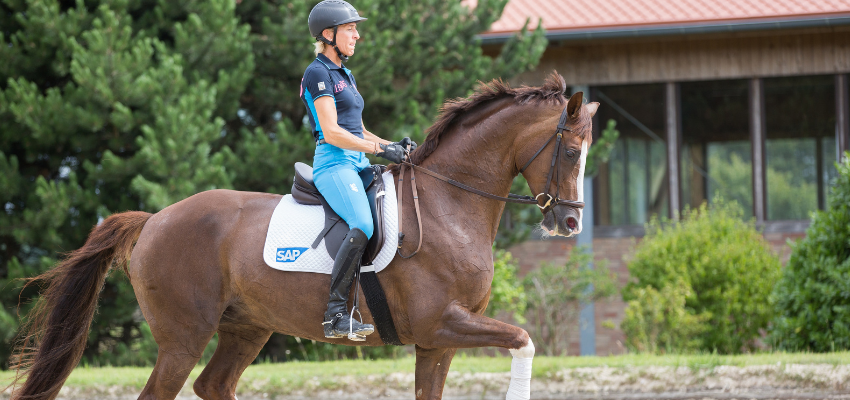
The rider’s position and aids play a crucial role in helping the horse achieve and maintain the correct frame. Here’s how you can support your horse:
- Balanced Seat: Sit evenly in the saddle, allowing your hips and lower back to follow the horse’s movement. This enables you to give clear, effective aids.
- Steady Hands: Maintain a soft, elastic contact with the reins, avoiding abrupt or harsh movements.
- Leg Aids: Use your legs to encourage forward movement and engagement, rather than relying solely on the reins to shape the outline.
- Consistent Rhythm: Ride with a regular tempo, as rhythm is the foundation for balance and suppleness.
Improving your own position and effectiveness as a rider will make it easier for your horse to work correctly. For those interested in safety and equipment, learning about the impact of age on helmet protective foam can be valuable as you spend more time in the saddle.
Training Exercises to Improve Frame and Outline
There are several exercises that can help your horse develop a better outline and frame:
- Transitions: Riding frequent transitions between and within gaits encourages engagement and attentiveness.
- Circles and Lateral Work: Exercises like circles, serpentines, leg-yield, and shoulder-in promote suppleness and balance.
- Stretching: Allowing the horse to stretch long and low on a loose rein helps relax the back and encourages correct muscle development.
- Pole Work: Incorporating ground poles can help the horse lift its back and engage the hindquarters.
Consistency and patience are key. Avoid rushing the process, as developing the correct frame takes time and careful progression.
Recognizing Progress and Adjusting Expectations
Every horse is unique, and progress toward an ideal outline will depend on factors such as age, conformation, and previous training. Celebrate small improvements, such as increased relaxation, better rhythm, or more consistent contact. Adjust your expectations based on your horse’s abilities and always prioritize their well-being.
For those interested in international standards, understanding the difference between UK and US riding standards can provide additional context for what is expected in various dressage arenas.
Frequently Asked Questions
How can I tell if my horse is working in the correct frame?
A horse in a proper frame will move with a lifted back, engaged hindquarters, and a relaxed, rounded neck. The contact should feel steady and elastic, and the horse should respond willingly to your aids without tension or resistance.
Is it harmful to focus too much on head position?
Yes, overemphasizing the horse’s head position can lead to incorrect training and discomfort. The goal is to develop the frame from behind, encouraging the horse to move forward into the contact and carry itself in balance.
What should I do if my horse resists the contact?
Check your own position and aids first. Ensure you are riding forward with your leg and seat, maintaining a soft, steady hand. If resistance continues, consult a qualified trainer to address any underlying issues in your horse’s training or physical condition.
How does the correct outline benefit my horse’s health?
Working in a correct outline helps distribute the rider’s weight evenly, reduces strain on the horse’s back and joints, and builds the muscles needed for long-term soundness and performance.
Mastering the principles of frame and outline in dressage is a journey that rewards both horse and rider. By focusing on correct training, clear communication, and the well-being of your equine partner, you can achieve a harmonious and effective partnership in the arena.