

Maintaining a horse’s coat, mane, and tail is an essential part of equine care. Among the many tools available, horse grooming scissors use stands out for its precision and versatility. Whether you’re preparing for a show or simply keeping your horse comfortable and tidy, understanding how to properly handle these scissors can make a significant difference in your grooming routine.
Proper trimming not only enhances your horse’s appearance but also contributes to their overall health and well-being. In this guide, we’ll walk through the different types of grooming scissors, safety considerations, step-by-step techniques, and expert tips to help you achieve professional results at home. For those also interested in equestrian safety, you might find our resource on how to find the right riding helmet for your head shape helpful as well.
Choosing the Right Scissors for Equine Grooming
Selecting the appropriate scissors is the first step toward effective horse grooming scissors use. There are several types designed for specific tasks:
- Straight scissors: Ideal for trimming manes, tails, and fetlocks. They offer a clean, straight cut and are easy to control.
- Thinning scissors: These have a serrated edge and are perfect for blending and reducing bulk, especially in thick manes or tails.
- Curved scissors: Useful for delicate areas and creating a natural look, particularly around the face and ears.
When choosing scissors, prioritize those made from high-quality stainless steel for durability and sharpness. Ergonomic handles can also reduce hand fatigue during longer grooming sessions.
Preparing Your Horse and Workspace
Before starting any trimming, ensure your horse is calm and comfortable. Grooming should be a positive experience for both you and your horse. Here are a few preparatory steps:
- Secure your horse in a quiet, well-lit area with minimal distractions.
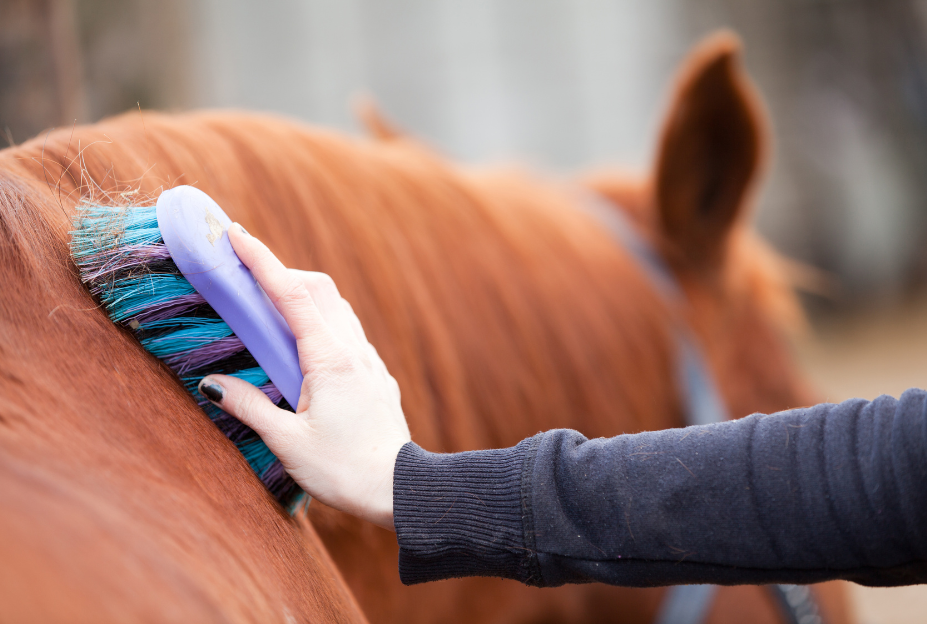
- Brush out the mane, tail, and any area you plan to trim to remove tangles and debris.
- Check your scissors for cleanliness and sharpness to prevent pulling or snagging hair.
- Keep a comb, detangler spray, and a clean towel nearby for convenience.
Step-by-Step Guide to Mane and Tail Trimming
Trimming the mane and tail is a common use for grooming scissors. Here’s how to achieve a neat and natural look:
- Section the hair: Use a comb to divide the mane or tail into manageable sections. This helps ensure an even cut.
- Decide on length: Determine how much you want to remove. For manes, a length of 4–6 inches is typical, but this can vary by discipline or personal preference.
- Cut in small increments: Hold the hair between your fingers and snip small amounts at a time. Avoid cutting straight across, as this can create a blunt, unnatural line. Instead, use a slight upward motion for a softer finish.
- Blend with thinning scissors: For thick or heavy manes, use thinning scissors to blend and reduce bulk, creating a more natural appearance.
- Check symmetry: Step back periodically to assess your progress and ensure both sides are even.
For tails, focus on trimming the bottom to create a clean, level line. Avoid cutting too high, as this can affect the horse’s natural tail carriage and protection against flies.
Using Grooming Scissors on Legs and Fetlocks
Trimming the hair around the legs and fetlocks helps prevent mud and debris from accumulating, reducing the risk of skin issues. Here’s how to approach these sensitive areas:
- Gently brush the hair downward to expose the area to be trimmed.
- Use straight or curved scissors for precise control.
- Trim excess hair, following the natural contours of the leg. Be cautious not to cut too close to the skin.
- Work slowly and reassure your horse throughout the process, as some may be sensitive around their legs.
Regular maintenance of fetlocks not only keeps your horse looking tidy but also supports hoof health by minimizing moisture retention.
Safety Tips for Effective Horse Grooming Scissors Use
Safety is paramount when working with sharp tools and large animals. Follow these guidelines to ensure a safe and stress-free grooming session:
- Always approach your horse calmly and speak softly to avoid startling them.
- Keep your fingers clear of the blades and cut away from your body.
- Store scissors in a secure location when not in use to prevent accidents.
- Check for signs of discomfort or agitation in your horse and pause if necessary.
- Clean and disinfect scissors after each use to prevent the spread of bacteria or fungi.
For additional grooming advice and preparation for horse shows, consider reviewing these horse show grooming tips from experienced professionals.
Maintaining Your Grooming Scissors
Proper maintenance ensures your scissors remain sharp and effective for every grooming session. Here’s how to care for them:
- Wipe blades clean after each use to remove hair and moisture.
- Apply a drop of oil to the pivot point regularly to maintain smooth movement.
- Sharpen blades as needed or have them professionally serviced to prevent dullness.
- Store in a dry, protective case to avoid rust and accidental damage.
Well-maintained scissors not only last longer but also provide a safer, more comfortable grooming experience for your horse.
Common Mistakes to Avoid with Horse Grooming Scissors
Even experienced horse owners can make mistakes when trimming. Avoid these common pitfalls:
- Cutting too much hair at once, resulting in uneven or choppy lines.
- Using dull scissors, which can pull or break hair and cause discomfort.
- Neglecting to blend or thin thick manes, leading to an unnatural appearance.
- Trimming when your horse is restless or distracted, increasing the risk of accidents.
Take your time and focus on gradual, careful trimming for the best results.
Frequently Asked Questions
How often should I trim my horse’s mane and tail?
The frequency depends on your horse’s breed, discipline, and personal preference. For show horses, trimming may be required every few weeks. For others, every couple of months is sufficient to maintain a tidy appearance.
Can I use regular household scissors instead of specialized grooming scissors?
It’s best to use scissors specifically designed for equine grooming. Household scissors may not be sharp enough and can cause uneven cuts or discomfort for your horse.
What should I do if my horse is nervous about being trimmed?
Introduce the scissors gradually, letting your horse see and smell them before starting. Work in short sessions, reward calm behavior, and consider enlisting help if your horse remains anxious.
Conclusion
Mastering horse grooming scissors use is a valuable skill for any horse owner or caretaker. With the right tools, techniques, and safety measures, you can keep your horse looking and feeling their best. Remember to stay patient, work methodically, and prioritize your horse’s comfort throughout the process. For more equestrian care tips, explore our other resources such as the difference between UK and US riding standards to further enhance your horsemanship knowledge.