


Achieving correct contact in dressage is a fundamental skill for riders aiming to develop harmony, communication, and balance with their horse. This concept refers to the steady, elastic connection between the rider’s hands and the horse’s mouth through the reins. When done properly, it allows the horse to move freely, respond to subtle cues, and maintain a consistent frame. Riders at all levels benefit from understanding and practicing this essential aspect of dressage, as it directly impacts performance, safety, and the overall well-being of the horse.
Establishing the right connection is not just about holding the reins at a certain length. It involves a combination of seat, leg, and hand aids that encourage the horse to accept the bit willingly and to move forward with energy. Many riders, especially those new to dressage, struggle to find the balance between too much and too little contact. Too strong a hold can cause tension and resistance, while too light a touch can lead to a lack of communication and control.
Before diving into the technical aspects, it’s important to recognize that proper equipment and rider safety also play a role. For example, understanding how to find the right riding helmet for your head shape ensures you are protected and comfortable, allowing you to focus on refining your skills in the saddle.
Understanding the Principles of Contact in Dressage
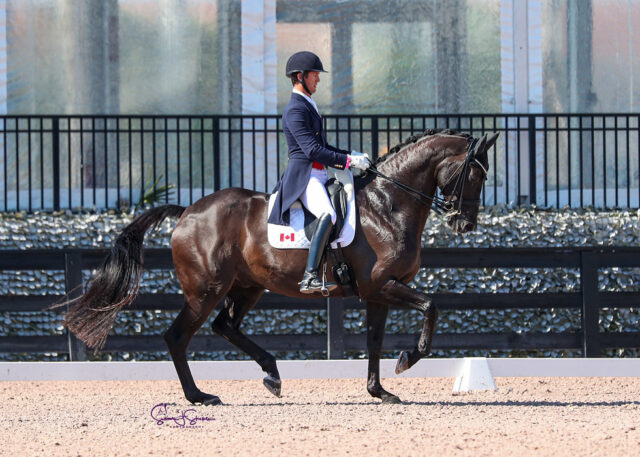
The idea of correct contact in dressage is rooted in the classical training scale, which emphasizes rhythm, relaxation, connection, impulsion, straightness, and collection. Contact is the bridge that links the rider’s aids to the horse’s movements. It should feel alive and responsive, never rigid or dead. The horse should reach for the bit, stretching into the reins with a soft jaw and relaxed poll, while the rider maintains a steady, giving hand.
Key elements of proper connection include:
- Elasticity: The reins should transmit subtle signals, not force. The rider’s arms and hands must move with the horse’s motion.
- Consistency: The contact should remain steady, not fluctuating with each stride or movement.
- Symmetry: Both reins should carry equal weight unless a specific exercise requires otherwise.
- Communication: The connection allows for two-way feedback, enabling the horse to respond to the rider and vice versa.
Common Mistakes and How to Avoid Them
Many riders encounter challenges when developing a balanced connection. Some of the most frequent errors include:
- Over-gripping the reins: This creates tension in the horse’s mouth and neck, leading to resistance or evasion.
- Dropping contact: Allowing the reins to go slack removes the line of communication, causing the horse to lose balance or become inattentive.
- Uneven hands: Holding one rein tighter than the other can cause crookedness and confusion.
- Relying solely on the reins: True contact comes from the rider’s seat and legs, not just the hands.
To avoid these pitfalls, focus on riding from your core, using your seat and legs to encourage forward movement. Keep your elbows close to your body and allow your arms to follow the horse’s motion. Regularly check that your hands are level and that the pressure in each rein is equal.
Developing a Balanced Connection
Building correct contact takes time and patience. Start by ensuring your horse is moving forward willingly from your leg. A horse that is behind the leg will never truly accept the bit or offer a steady connection. Encourage your horse to step forward into the bridle, rewarding softness and relaxation.
Here are some practical steps to help you develop a balanced connection:
- Check your position: Sit tall with your shoulders back, elbows bent, and hands carried just above and in front of the saddle. Your thumbs should be on top, and your wrists straight.
- Use your seat and legs: Ask the horse to move forward with gentle leg pressure, supporting with your core muscles. Avoid using your hands to pull the horse into a frame.
- Maintain steady hands: Allow your hands to follow the horse’s mouth, absorbing movement through your elbows.
- Encourage stretching: Practice exercises like long and low, where the horse stretches its neck forward and down while maintaining contact.
- Monitor feedback: Pay attention to how your horse responds. Signs of good connection include a relaxed jaw, rhythmic movement, and willingness to seek the bit.
Remember, correct contact in dressage is not about forcing the horse into a position, but about inviting the horse to move forward into a soft, elastic connection.
Exercises to Improve Connection
Incorporating specific exercises into your training routine can help both you and your horse develop a more refined connection. Some effective options include:
- Transitions: Practice frequent transitions between gaits and within gaits (e.g., working trot to collected trot). This encourages the horse to stay attentive and connected.
- Circles and serpentines: Riding figures helps the horse bend and stay supple, promoting even contact on both reins.
- Half-halts: Use gentle half-halts to rebalance your horse and remind them to stay attentive to your aids.
- Stretching exercises: Allow the horse to stretch forward and down, maintaining a light, steady feel on the reins.
Consistency is key. Regular, mindful practice of these exercises will gradually improve your horse’s acceptance of the bit and your ability to maintain a steady connection.
Choosing the Right Equipment for Effective Contact
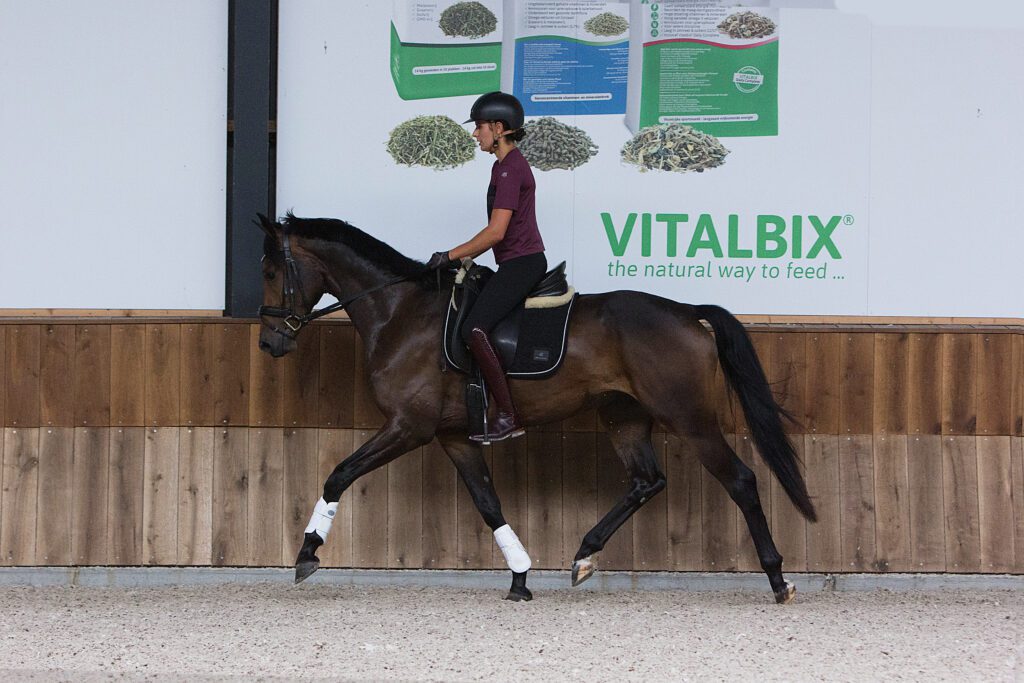
While technique is crucial, the right tack can make a significant difference in achieving a steady connection. A well-fitted bridle and bit, along with a comfortable saddle, allow the horse to move freely and accept the aids. If you’re considering upgrading your tack, you might explore options like a new dressage saddle for improved balance and support.
Additionally, maintaining your horse’s physical comfort is essential. Products such as protective balms for hooves can help keep your horse sound and willing to work. Regular tack checks and attention to your horse’s health will support your efforts in developing a quality connection.
Further Learning and Resources
Dressage is a discipline that rewards ongoing education and practice. Riders looking to deepen their understanding of the training scale, contact, and other foundational concepts can benefit from reputable resources. For those just starting out, this introduction to dressage and getting started offers a clear overview of the sport’s principles and progression.
As you refine your skills, keep safety in mind. Topics like the importance of a secure helmet retention system are also worth exploring to ensure you’re protected during every ride.
Frequently Asked Questions
What does correct contact feel like in dressage?
Proper connection should feel soft, elastic, and steady. The horse should reach into the reins with a relaxed jaw, and the rider should sense a gentle, consistent weight in both hands. There should be no pulling or resistance, and the horse should respond willingly to subtle aids.
How do I know if my horse is accepting the bit?
Signs of acceptance include a relaxed poll, rhythmic movement, and a willingness to stretch forward into the bridle. The horse should chew softly on the bit, maintain a steady head carriage, and respond promptly to the rider’s aids without tension or evasion.
Can equipment affect my ability to achieve steady contact?
Yes, poorly fitting tack can cause discomfort and resistance, making it difficult to establish a quality connection. Ensure your bridle, bit, and saddle fit your horse properly, and regularly check for signs of wear or discomfort. Comfortable, well-maintained equipment supports both horse and rider in achieving their best performance.