


Dressage is celebrated for its elegance and precision, but beneath the surface, it is a physically demanding discipline for both horse and rider. As equestrians strive for harmony and athleticism, the impact of dressage routines on joint health becomes a crucial consideration. Understanding how training methods, equipment, and management choices affect the musculoskeletal system can help riders support their horses’ long-term soundness and performance.
This article explores the relationship between dressage training and joint health, offering practical advice for maintaining mobility, preventing injury, and optimizing comfort. Whether you are a seasoned competitor or a dedicated amateur, prioritizing joint care is essential for sustainable progress in the sport. For those interested in related safety gear, learning how to find the right riding helmet for your head shape is another important aspect of overall equestrian well-being.
Understanding the Demands of Dressage on Joints
Dressage requires a high degree of collection, engagement, and flexibility from the horse. Movements such as piaffe, passage, and extended trot place unique stresses on the joints, particularly in the hocks, stifles, and fetlocks. Riders, too, experience repetitive impact and torsion in their knees, hips, and lower backs due to the need for a deep, stable seat and subtle aids.
The repetitive nature of schooling and the pursuit of perfection can increase the risk of wear and tear. Recognizing the signs of joint discomfort early—such as stiffness, swelling, or reluctance to perform certain movements—allows for timely intervention and adaptation of training routines.
Key Factors Affecting Joint Health in Dressage Horses
Several variables influence how dressage impacts a horse’s joints. By managing these factors, riders can reduce the risk of injury and support longevity in the sport.
- Surface Quality: Working on well-maintained, shock-absorbing footing reduces concussive forces on the limbs. Avoiding hard, uneven, or deep surfaces is critical for joint protection.
- Progressive Training: Gradually increasing the intensity and complexity of exercises allows the musculoskeletal system to adapt. Sudden changes or excessive repetition of advanced movements can overload joints.
- Conformation: Horses with certain conformational traits may be more prone to joint stress. Regular assessments by a knowledgeable trainer or veterinarian can help tailor the program to the individual horse.
- Weight Management: Maintaining an optimal body condition score minimizes unnecessary strain on joints, especially in weight-bearing areas.
- Hoof Care: Balanced trimming and shoeing support correct limb alignment and even weight distribution, which are essential for joint integrity.
Optimizing Rider Joint Health During Dressage
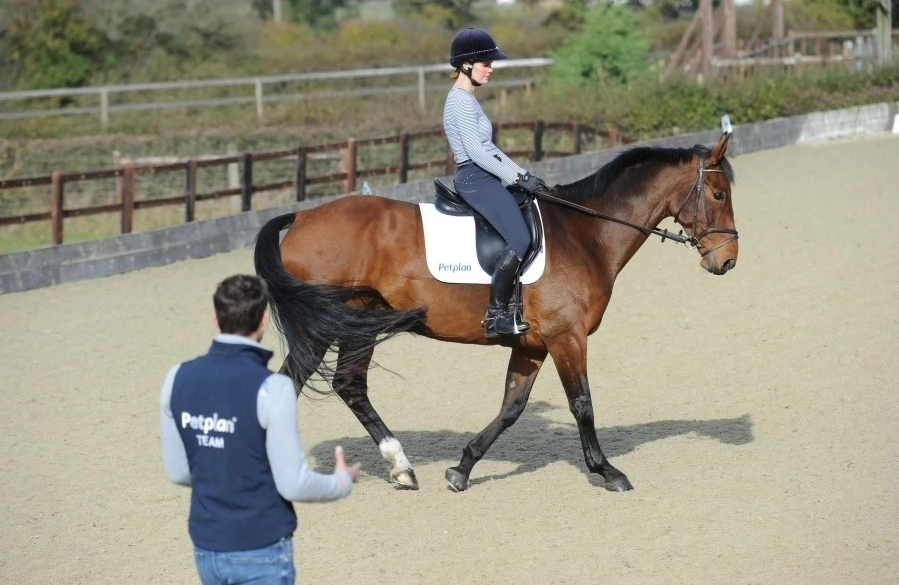
While much attention is given to equine athletes, riders must also consider their own joint health. The repetitive posting trot, deep sitting, and use of aids can lead to overuse injuries if not managed carefully.
- Correct Position: Maintaining a balanced, aligned posture reduces unnecessary strain on knees, hips, and lower back. Regular lessons and video analysis can help identify and correct asymmetries.
- Appropriate Equipment: A well-fitted saddle with proper support helps distribute weight evenly and minimizes pressure points. For those looking to upgrade, consider options like the Stoneleigh II Dressage Saddle for enhanced comfort.
- Cross-Training: Incorporating off-horse exercises such as yoga, Pilates, or swimming can improve flexibility and joint stability, reducing the risk of injury during riding.
- Protective Gear: Using supportive boots or braces as needed, and ensuring helmet fit and safety, are important for overall joint and skeletal health. For more on this, see our guide on the importance of a secure helmet retention system.
Preventative Strategies for Healthy Joints in Dressage
A proactive approach is vital for preserving joint function and comfort in both horse and rider. Here are some evidence-based strategies to promote joint resilience:
- Warm-Up and Cool-Down: Begin each session with at least 10–15 minutes of walk and gentle stretching to increase blood flow and prepare the joints for work. Finish with a gradual cool-down to prevent stiffness.
- Regular Veterinary Care: Schedule routine check-ups and lameness evaluations. Early detection of subtle issues can prevent progression to more serious joint disease.
- Joint Supplements: Many riders consider supplements containing glucosamine, chondroitin, MSM, or hyaluronic acid to support cartilage health. Consult your veterinarian before adding any supplement to your horse’s regimen.
- Therapeutic Modalities: Techniques such as massage, physiotherapy, and cold therapy can help manage inflammation and promote recovery after intense sessions.
- Rest and Variation: Avoid drilling the same movements daily. Incorporate hacking, pole work, and turnout to provide mental and physical variety, reducing repetitive joint stress.
Expert Insights: Balancing Performance and Joint Care
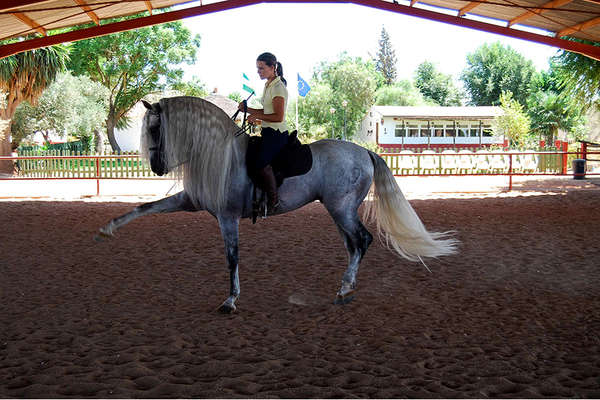
Leading trainers emphasize the importance of balance, suppleness, and collection for minimizing joint strain. According to these top tips for maximizing dressage marks, correct biomechanics not only improve scores but also protect the horse’s joints over time.
Regularly reviewing your training plan with a professional can help identify subtle issues before they become problematic. Small adjustments in your approach—such as ensuring straightness, rhythm, and evenness in transitions—can make a significant difference in joint longevity.
Common Signs of Joint Stress in Dressage Horses
Early recognition of joint discomfort is critical for timely management. Watch for these indicators:
- Stiffness or unevenness at the start of work
- Swelling or heat in the joints after exercise
- Reluctance to perform collected or lateral movements
- Changes in behavior or attitude under saddle
- Shortened stride or loss of impulsion
If you notice any of these signs, consult your veterinarian promptly. Early intervention can prevent minor issues from progressing to chronic lameness.
Frequently Asked Questions
How can I tell if my horse’s joints are being affected by dressage?
Look for subtle changes such as stiffness, swelling, or a decrease in willingness to perform certain movements. Regular veterinary check-ups and attentive observation during grooming and tacking up can help catch early signs of joint discomfort.
What are the best ways to support joint health in dressage horses?
Key strategies include maintaining proper hoof care, using high-quality footing, gradually increasing training intensity, providing adequate warm-up and cool-down, and considering joint supplements after consulting with your veterinarian.
Are there specific exercises that help protect joints during dressage training?
Incorporating a variety of exercises—such as pole work, hill work, and hacking—can reduce repetitive stress. Focusing on correct biomechanics and regular stretching also helps maintain joint flexibility and resilience.
By prioritizing joint care and making informed choices in training and management, dressage riders can help their horses—and themselves—enjoy a long, healthy partnership in the arena.