


Gaining self-assurance in dressage is a journey that combines technical skill, mental resilience, and a deep partnership with your horse. Whether you are a beginner or an experienced rider, building confidence in dressage riding is essential for progress and enjoyment. Riders often face challenges such as performance anxiety, fear of making mistakes, or doubts about their abilities. Overcoming these hurdles requires practical strategies, consistent practice, and a supportive environment.
Understanding the principles of dressage and focusing on incremental improvement can help riders feel more secure in the saddle. It’s also important to ensure your equipment, such as your helmet, fits properly and meets safety standards. For guidance on selecting the best head protection, see how to find the right riding helmet for your head shape.
Understanding the Foundations of Dressage
Dressage is often described as the art of riding and training a horse in a manner that develops obedience, flexibility, and balance. At its core, dressage emphasizes harmony between horse and rider. Developing a solid foundation in the basics—such as rhythm, relaxation, and straightness—lays the groundwork for greater self-assurance in the arena.
Familiarizing yourself with the core principles of dressage can clarify what judges look for and what you should focus on during training. This knowledge reduces uncertainty and helps you set realistic goals, both of which are crucial for nurturing a positive mindset.
Practical Steps to Boost Self-Assurance in the Saddle
Many riders find that their confidence fluctuates depending on the situation. Here are several actionable steps to help you feel more secure and capable during your dressage journey:
- Set Achievable Goals: Break down your training into small, manageable objectives. Celebrate each milestone, no matter how minor, to reinforce a sense of accomplishment.
- Practice Regularly: Consistency is key. Short, focused sessions are often more effective than occasional long rides. Regular practice helps both you and your horse build trust and understanding.
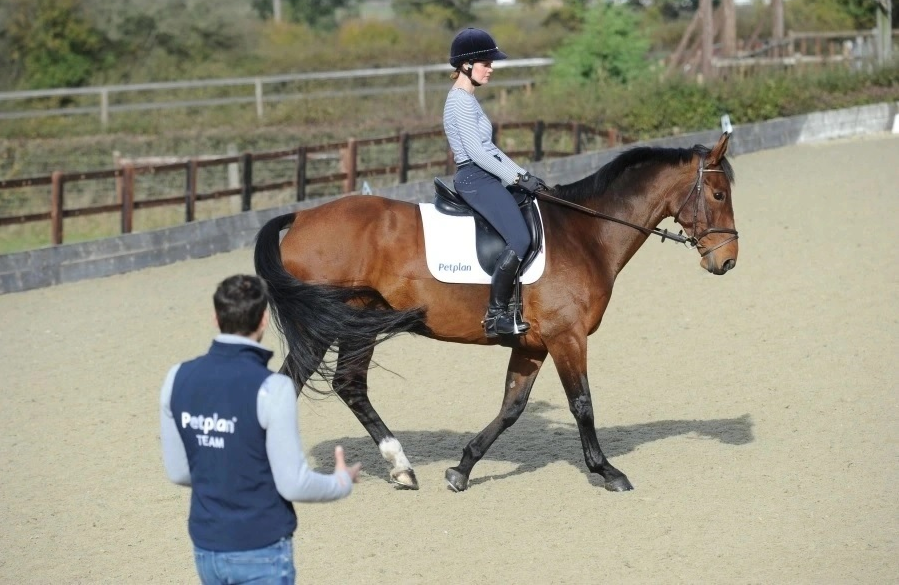
- Work with a Supportive Trainer: A knowledgeable coach can provide constructive feedback, encouragement, and tailored exercises that address your specific needs.
- Visualize Success: Mental rehearsal is a powerful tool. Spend a few minutes before each ride imagining yourself riding confidently and executing movements smoothly.
- Reflect on Progress: Keep a training journal to track improvements and setbacks. Reviewing your journey helps you recognize patterns and maintain perspective.
Overcoming Common Obstacles in Dressage
Even the most experienced riders encounter setbacks. Recognizing and addressing common challenges can make a significant difference in your journey toward greater confidence:
- Fear of Failure: Mistakes are part of learning. Instead of viewing errors as setbacks, treat them as opportunities to grow. Analyze what happened and adjust your approach accordingly.
- Performance Anxiety: Nervousness before competitions or lessons is normal. Develop pre-ride routines, such as deep breathing or stretching, to calm your mind and body.
- Comparing Yourself to Others: Every rider progresses at their own pace. Focus on your unique path and celebrate your personal achievements rather than measuring yourself against others.
- Plateaus in Progress: If you feel stuck, try varying your exercises or seeking input from different trainers. Sometimes a fresh perspective can reignite motivation and help you break through barriers.
Building Trust Between Horse and Rider
Confidence is not just about the rider; it’s also about the partnership with your horse. Developing mutual trust is essential for success in dressage. Spend time on groundwork, gentle handling, and positive reinforcement to strengthen your bond. Horses respond to calm, consistent cues, so maintaining a relaxed and patient demeanor can help your horse feel secure and willing to try new things.
For those interested in the technical side of safety and equipment, understanding the importance of a secure helmet retention system can further enhance your peace of mind while riding.

Mindset Shifts for Lasting Confidence
Long-term self-assurance in dressage comes from cultivating a positive and resilient mindset. Here are some key mental habits to develop:
- Embrace the Learning Process: Accept that mastery takes time. Each ride is an opportunity to learn, regardless of the outcome.
- Practice Self-Compassion: Treat yourself with kindness when things don’t go as planned. Avoid harsh self-criticism and focus on constructive self-talk.
- Stay Present: Concentrate on the current moment rather than worrying about past mistakes or future challenges. Mindfulness can help reduce anxiety and improve performance.
- Seek Community Support: Connect with other riders, either locally or online. Sharing experiences and advice can provide encouragement and new perspectives.
Choosing the Right Equipment for Confidence
Having the proper gear can make a significant difference in how secure and comfortable you feel. A well-fitted saddle, reliable bridle, and appropriate riding attire all contribute to a positive experience. Don’t overlook the importance of a helmet that fits your head shape and meets current safety standards. For tips on measuring for helmets, check out how to measure head circumference for horses.
Quality equipment not only improves your performance but also reduces distractions, allowing you to focus on your riding and your horse.
Frequently Asked Questions
How can I overcome nerves before a dressage test?
Preparation is key. Develop a consistent warm-up routine, practice deep breathing, and visualize a successful ride. Arriving early to familiarize yourself with the environment can also help reduce anxiety.
What should I do if I lose confidence after a fall?
Take time to recover both physically and mentally. Start back slowly with groundwork or gentle rides, and seek support from a trainer or fellow riders. Reflect on what happened and focus on regaining trust in yourself and your horse.
Are there specific exercises to help with confidence in dressage?
Yes, exercises such as transitions, circles, and serpentines can help you and your horse develop rhythm and balance. Practicing these movements regularly builds familiarity and reinforces positive experiences in the saddle.
By applying these strategies and focusing on steady progress, riders can steadily enhance their self-assurance and enjoy the rewarding journey that dressage offers.