

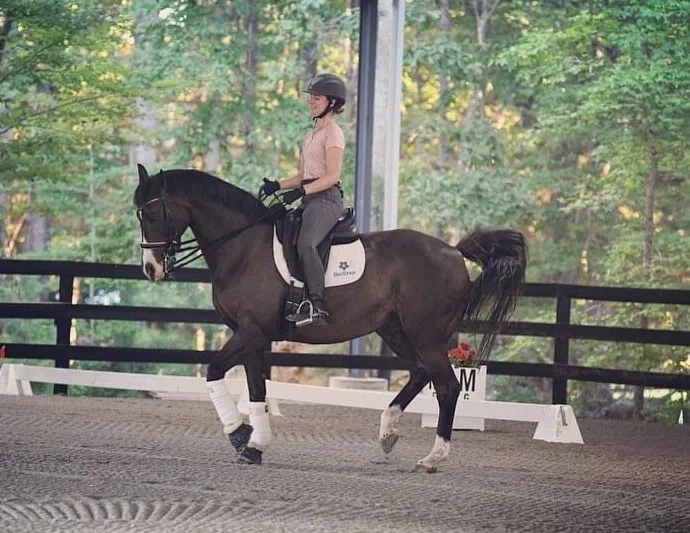
Many riders encounter the challenge of a horse resisting contact dressage during training or competition. This issue can manifest as evasion, tension, or a lack of willingness to accept the bit. Understanding why a horse resists contact and how to address it is crucial for progress in dressage, as well as for the comfort and confidence of both horse and rider.
Resistance to contact is rarely a sign of defiance. More often, it reflects discomfort, confusion, or a gap in training. By identifying the underlying causes and applying targeted solutions, riders can help their horses develop a soft, consistent connection and improve overall performance. For those interested in optimizing every aspect of their riding, it’s also important to consider equipment and safety. For example, learning how to find the right riding helmet for your head shape can enhance comfort and security during training sessions.
Recognizing Signs of Contact Resistance
Before addressing the problem, it’s essential to recognize how a horse shows discomfort or reluctance with the bit and reins. Common signs include:
- Opening the mouth or crossing the jaw
- Tossing or shaking the head
- Leaning heavily on the bit or becoming “behind the bit”
- Inconsistent frame or frequent changes in head position
- Reluctance to move forward or a choppy, tense gait
These behaviors often indicate that the horse is not comfortable with the current level of contact, or does not understand what is being asked. Recognizing these signals early allows riders to adjust their approach and prevent the issue from becoming ingrained.
Main Causes of Resistance in Dressage Contact
There are several reasons why a horse may resist rein contact in dressage. Understanding these can help pinpoint the best solution for each individual horse.
Pain or Physical Discomfort
Physical issues are a leading cause of contact problems. Dental pain, ill-fitting tack, or musculoskeletal discomfort can all make a horse unwilling to accept the bit. Regular dental checks and ensuring the bridle and saddle fit correctly are essential. Sometimes, soreness in the back, neck, or poll can also contribute to resistance.
Training Gaps and Confusion
Horses need to be taught gradually how to move into the contact and trust the rider’s hands. If the training process is rushed, or if the horse has had negative experiences with harsh hands, confusion and tension can result. Clear, consistent aids and positive reinforcement are vital in helping the horse understand what is expected.
Rider’s Hands and Position
Even with the best intentions, a rider’s hands can inadvertently cause discomfort. Hands that are unsteady, too strong, or inconsistent can confuse the horse and lead to evasion. Developing a soft, following hand and a balanced seat is crucial for encouraging a steady connection.
Mental Tension or Anxiety
Some horses are naturally more sensitive or anxious, which can make them wary of contact. Environmental factors, changes in routine, or past trauma can all contribute to mental tension. Patience and a calm, reassuring approach are important for these horses.
Effective Solutions for Improving Connection
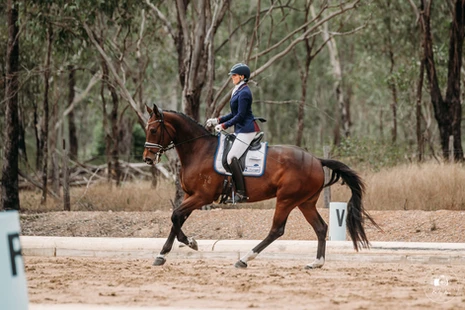
Once the root cause is identified, there are several strategies riders can use to help their horse accept and seek a steady, elastic contact. These approaches are most effective when tailored to the individual horse’s needs and temperament.
Addressing Physical Issues First
Always rule out pain or discomfort before making training changes. Schedule regular dental exams and have a qualified saddle fitter check all tack. If you suspect musculoskeletal problems, consult with a veterinarian or equine physiotherapist. Sometimes, even small adjustments to equipment can make a significant difference in the horse’s willingness to accept the reins.
Improving Rider Skills and Awareness
Developing soft, independent hands is essential for encouraging a positive connection. Riders should focus on:
- Keeping elbows relaxed and close to the body
- Maintaining a straight line from elbow to bit
- Following the horse’s movement with supple wrists
- Using the seat and legs to encourage forwardness, not just the hands
Working with an experienced instructor can help identify and correct habits that may contribute to resistance. Video analysis and mirrors can also provide valuable feedback.
Progressive Training Techniques
Introduce contact gradually, starting with groundwork and long-lining if needed. Encourage the horse to stretch forward and down into the bit, rewarding any attempt to take the contact softly. Transitions, circles, and lateral work can help the horse learn to balance and carry itself, making it easier to maintain a steady connection.
For more insights on developing a dressage foundation, consider reading discussions like how to start off doing dressage for practical tips from experienced riders.
Common Mistakes to Avoid
When working through contact issues, it’s easy to fall into certain traps that can make the problem worse. Some common mistakes include:
- Using gadgets or harsh bits as a quick fix
- Pulling or holding the horse’s head in position
- Ignoring signs of pain or discomfort
- Expecting instant results or becoming frustrated
Patience and consistency are key. Progress may be slow, but a methodical approach will yield lasting improvements in the horse’s confidence and willingness to work.
Building Lasting Connection in Dressage
Achieving a harmonious connection is a journey that requires attention to both horse and rider. By addressing the physical, mental, and training-related factors behind resistance, riders can help their horses become more supple, responsive, and comfortable in their work. Remember, the goal is not just compliance, but a true partnership built on trust and understanding.
For those interested in broader equestrian topics, learning about the difference between UK and US riding standards can provide helpful context for training approaches and expectations in dressage.
Frequently Asked Questions
What is the best way to introduce contact to a young or green horse?
Start with gentle groundwork and long-lining to help the horse understand rein pressure without a rider’s weight. Encourage stretching forward and down, and reward any attempt to take the bit softly. Gradually increase the level of contact as the horse gains confidence and balance.
How can I tell if my horse’s resistance is due to pain?
Look for signs such as sudden changes in behavior, reluctance to be bridled or saddled, or unevenness in movement. Schedule regular dental and veterinary checks, and consult a professional if you suspect discomfort. Addressing physical issues is always the first step before making training adjustments.
Can changing my riding equipment help with contact issues?
Yes, sometimes a different bit, properly fitted bridle, or a new saddle can make a significant difference. Always ensure that all tack fits well and is comfortable for your horse. If in doubt, seek advice from a qualified saddle fitter or equine professional.