

Keeping horses clean and healthy is a fundamental part of equine care, especially during wet or muddy seasons. Horse grooming for mud removal is more than just an aesthetic concern—it’s essential for your horse’s comfort, skin health, and overall well-being. Mud can harbor bacteria, cause skin irritations, and make tacking up more difficult. Knowing how to efficiently remove mud and maintain a clean coat helps prevent issues like rain rot, scratches, and matted hair.
Whether you’re preparing for a ride or simply want your horse to look and feel their best, having the right techniques and tools makes all the difference. In this guide, you’ll find practical advice for tackling mud, choosing the best grooming supplies, and establishing a routine that keeps your horse’s coat in top condition throughout the year.
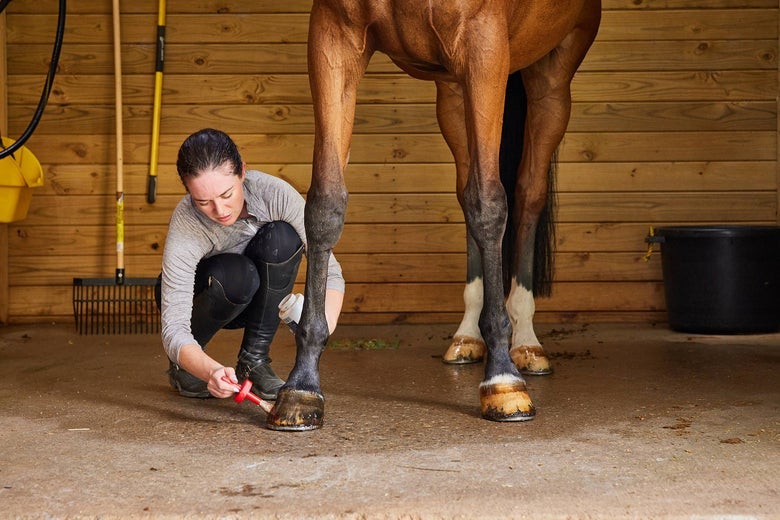
Grooming routines can vary, but the basics remain the same: patience, the right tools, and a gentle approach. For those interested in other aspects of equestrian safety, learning how to find the right riding helmet for your head shape is another valuable step in responsible horse care.
Why Mud Removal Matters for Horse Health
Mud is more than just a nuisance. When left on a horse’s coat, it can trap moisture against the skin, leading to irritation and infections. Horses that spend time outdoors, especially in rainy or thawing conditions, are particularly susceptible to mud-related skin problems. Common issues include:
- Rain rot (dermatophilosis): A bacterial infection that thrives in damp, muddy conditions.
- Scratches (pastern dermatitis): Inflammation and scabbing on the lower legs, often caused by persistent wetness and mud.
- Matted hair and tangles: These can make grooming more difficult and uncomfortable for the horse.
Regular mud removal helps prevent these problems, keeps your horse comfortable, and makes it easier to spot injuries or abnormalities on the skin.
Essential Tools for Effective Mud Removal
Having the right grooming tools is crucial for removing mud efficiently and safely. Here are some essentials for your grooming kit:
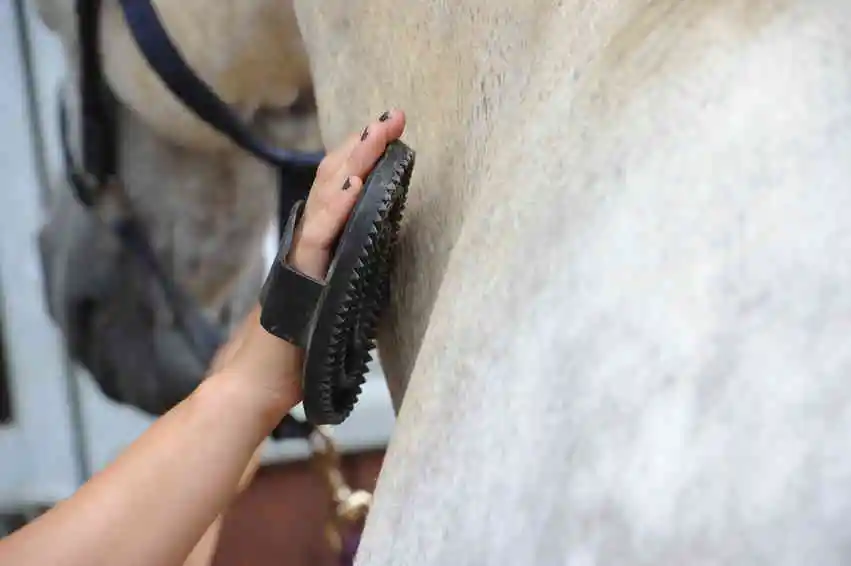
- Rubber curry comb: Ideal for loosening dried mud and stimulating natural oils in the coat.
- Stiff dandy brush: Helps flick away loosened dirt and mud from the coat’s surface.
- Body brush: Softer bristles for finishing touches and sensitive areas.
- Hoof pick: Removes mud and debris from hooves, preventing thrush and other hoof issues.
- Grooming mitt or sponge: Useful for wiping down legs and faces, especially in muddy weather.
Investing in a quality grooming kit ensures you have everything needed for daily care. After viewing the following image, you can easily find a recommended kit to get started.
Step-by-Step Guide to Removing Mud from Your Horse
Proper horse grooming for mud removal involves a sequence of steps to ensure all mud is removed without causing discomfort or skin irritation. Follow these steps for best results:
- Let the mud dry: If possible, allow mud to dry before grooming. Dried mud is easier to remove and less likely to smear into the coat.
- Start with a rubber curry comb: Use circular motions to loosen dried mud from the body, neck, and hindquarters. Be gentle on bony or sensitive areas.
- Use a stiff brush: After currying, use a dandy brush to flick away the loosened mud. Work in the direction of hair growth for comfort.
- Switch to a softer brush: For finishing, a body brush removes remaining dust and brings out the coat’s shine.
- Clean the legs and face: Use a damp sponge or grooming mitt for sensitive areas where brushes may be too harsh.
- Pick out the hooves: Remove any mud or stones from the hooves to prevent thrush and ensure soundness.
Patience is key, especially with thick or caked-on mud. Take breaks if your horse becomes restless, and reward calm behavior with gentle words or treats.
Tips for Preventing Mud Build-Up
While regular grooming is essential, prevention can make mud management much easier. Consider these strategies:
- Stable management: Rotate turnout areas and use gravel or mats in high-traffic zones to reduce mud formation.
- Protective gear: Use turnout sheets or leg wraps during wet weather to shield the coat and legs from mud.
- Routine checks: Inspect your horse daily for mud accumulation, especially on legs and under the belly.
- Balanced diet: Healthy skin and coat are more resilient to mud-related issues. Ensure your horse receives proper nutrition.
Special Considerations for Sensitive Horses
Some horses have sensitive skin or are prone to skin conditions. For these animals, extra care is needed during mud removal:
- Use the softest brushes and avoid excessive pressure.
- Spot-clean with warm water and a mild equine shampoo if mud is stubborn or if the skin is irritated.
- Monitor for signs of discomfort, such as flinching or tail swishing, and adjust your technique accordingly.
Consult your veterinarian if you notice persistent skin problems or if your horse develops sores or swelling after grooming.
Recommended Products and Further Resources
Choosing the right products can make a significant difference in your grooming routine. Look for brushes with ergonomic handles, grooming mitts that fit comfortably, and shampoos formulated for equine skin. For more comprehensive advice on equine care, the Canadian Paso Fino Society’s guide to horse grooming offers additional tips and best practices.
Maintaining a Consistent Grooming Routine
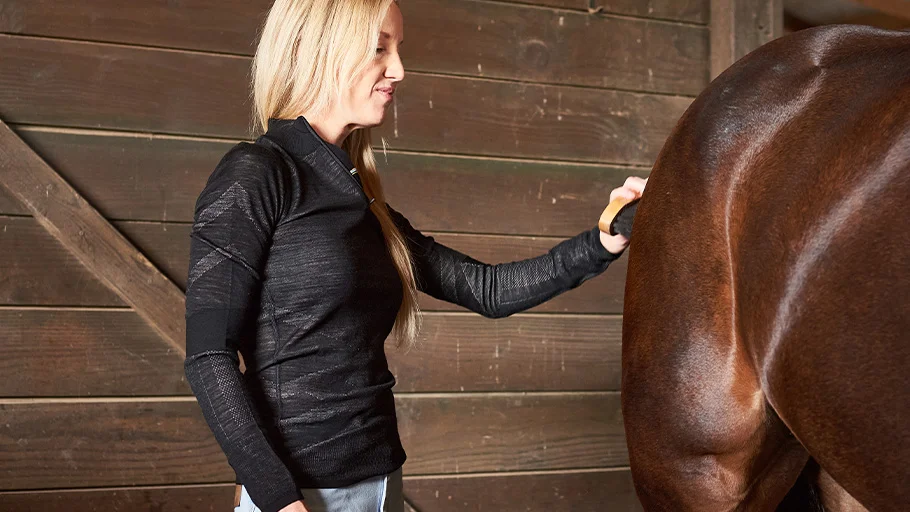
Consistency is the secret to a healthy, mud-free coat. Establish a daily or post-turnout grooming habit, especially during wet months. Not only does this keep your horse clean, but it also strengthens your bond and allows you to monitor for injuries or skin issues early. Remember, grooming is not just about appearance—it’s a vital part of equine care that supports your horse’s comfort and health year-round.
Frequently Asked Questions
How often should I groom my horse to prevent mud-related skin issues?
It’s best to groom your horse daily, especially during muddy seasons. Regular grooming removes mud before it can cause skin irritation or infections. If daily grooming isn’t possible, aim for at least several times a week, focusing on high-risk areas like legs and under the belly.
What should I do if my horse has sensitive skin or reacts to brushing?
For sensitive horses, use the softest brushes and avoid harsh or repetitive strokes. Spot-clean with a damp sponge or use a mild, hypoallergenic shampoo if needed. Always monitor your horse’s reactions and consult a veterinarian if skin problems persist.
Can I use water to remove mud, or should I stick to dry grooming methods?
Dry grooming is generally preferred, as wetting the coat can soften the skin and increase the risk of irritation. However, for stubborn mud or in warm weather, rinsing with water and using a gentle shampoo can be effective. Be sure to dry your horse thoroughly afterward to prevent chills or further skin issues.