

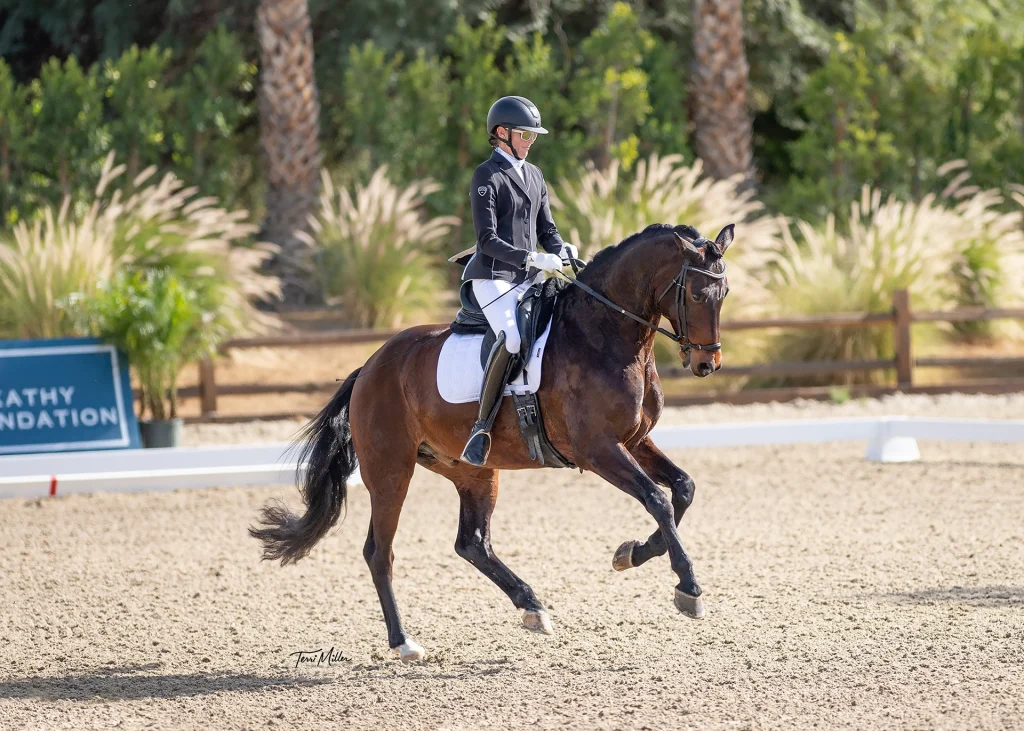
In the world of dressage, rhythm is one of the most fundamental qualities that riders and horses must master. It forms the basis of all movement and is essential for achieving harmony, balance, and precision in every test. Whether you are a beginner or advancing through the levels, developing a keen sense of rhythm is crucial for both training and competition.
This article explores the core concepts behind rhythm in the dressage arena, why it matters, and how riders can develop and maintain it. We’ll also discuss common challenges, practical exercises, and tips for evaluating rhythm in your own riding. For those interested in broader equestrian safety, you may find how to choose a helmet for eventing a useful resource as well.
Defining Rhythm in the Dressage Context
In dressage, rhythm refers to the regularity and evenness of the horse’s footfalls within each gait. It is not about speed, but about the consistent repetition of the sequence of steps. Each gait—walk, trot, and canter—has its own distinct rhythm:
- Walk: A four-beat rhythm, where each hoof hits the ground independently.
- Trot: A two-beat rhythm with diagonal pairs of legs moving together.
- Canter: A three-beat rhythm, followed by a moment of suspension.
Maintaining a clear and regular rhythm in each gait is a cornerstone of the training scale and is assessed in every dressage test. Judges look for a horse that moves with a steady tempo and clear, defined beats appropriate to the gait.
Why Consistent Rhythm Matters in Dressage
A steady rhythm is more than just an aesthetic quality—it is a sign of correct training and a relaxed, attentive horse. When rhythm is established, it allows for better balance, suppleness, and ultimately, more advanced movements. Without a reliable rhythm, transitions become rough, movements lose clarity, and the partnership between horse and rider can break down.
Riders who focus on rhythm early in their training set themselves up for success as they progress through the levels. It is also a key factor in achieving higher scores, as rhythm underpins the quality of every movement performed in the arena.
Common Rhythm Issues and How to Identify Them
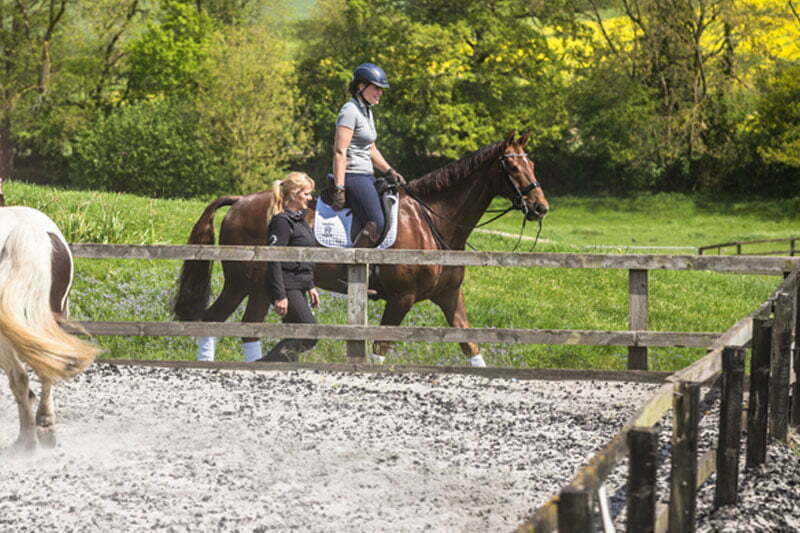
Even experienced riders can encounter rhythm problems. Some of the most frequent issues include:
- Irregular Footfalls: The horse may rush, slow down, or lose the correct sequence of steps.
- Loss of Tempo: The horse speeds up or slows down within a gait, making the rhythm uneven.
- Tension or Resistance: A tense horse often loses regularity, especially in transitions or when distracted.
To identify rhythm issues, listen carefully to the sound of your horse’s hooves and observe the movement. Recording your rides or working with a knowledgeable trainer can help pinpoint inconsistencies. For more tips on evaluating your own riding gear and safety, consider reading about how to evaluate helmet weight for neck comfort.
Developing Rhythm: Practical Exercises for Riders
Building a reliable rhythm takes time and patience. Here are some effective exercises to help both horse and rider:
- Work on Large Circles: Riding on a 20-meter circle encourages the horse to maintain a steady tempo and helps the rider feel the rhythm.
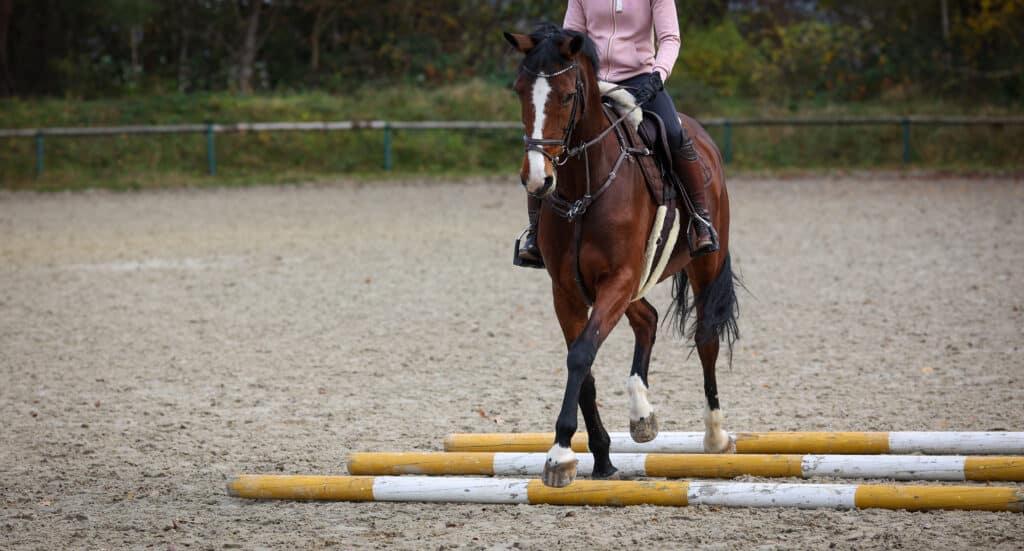
- Use Ground Poles: Walking, trotting, or cantering over evenly spaced poles helps the horse develop regularity and encourages even strides.
- Count Aloud: Counting the beats out loud (or in your head) can help you maintain a consistent tempo, especially in the trot and canter.
- Transitions Within Gaits: Practice lengthening and shortening the stride while keeping the rhythm unchanged. This builds control and awareness.
Consistency is key. Short, focused sessions are often more productive than long rides. Always reward your horse for maintaining a steady rhythm, and avoid drilling to the point of fatigue or frustration.
Evaluating Rhythm in Training and Competition
Judges and trainers assess rhythm by observing the regularity of the horse’s steps and the overall flow of the movement. A horse that maintains a clear, consistent beat throughout each gait demonstrates correct training and relaxation.
In competition, rhythm is often mentioned in the collective marks and in comments for individual movements. Riders should aim for a horse that moves with confidence, showing no hesitation or rushing. If you’re new to the sport, this beginner’s guide to dressage riding offers a helpful overview of what to expect in your first tests.
Tips for Maintaining Rhythm as You Progress
As you and your horse advance, maintaining rhythm can become more challenging, especially with the introduction of lateral work, extensions, and collected movements. Here are some strategies to keep rhythm at the forefront:
- Stay Relaxed: Tension in the rider often translates to tension in the horse. Focus on deep, even breathing and a supple seat.
- Use Your Aids Effectively: Subtle, consistent aids help the horse understand what is expected and reduce confusion.
- Monitor Your Position: A balanced, centered position allows you to follow the horse’s movement and influence the tempo without interference.
- Regular Feedback: Work with a trainer or use video analysis to catch subtle changes in rhythm before they become habits.
Frequently Asked Questions
What is the difference between rhythm and tempo in dressage?
Rhythm refers to the sequence and regularity of the horse’s footfalls within a gait, while tempo is the speed or rate at which those beats occur. A horse can have a correct rhythm but an inappropriate tempo if it is moving too quickly or too slowly.
How can I tell if my horse has lost rhythm?
Signs of lost rhythm include irregular footfalls, inconsistent beats, or a horse that rushes or lags within a gait. Listening to the hoofbeats and watching for smooth, even movement can help you detect issues early.
Are rhythm problems always caused by the horse?
Not always. Rider tension, unclear aids, or inconsistent riding can disrupt a horse’s rhythm. It’s important to evaluate both the horse and the rider when addressing rhythm challenges.
Conclusion
Mastering rhythm is a journey that benefits every dressage rider, from the earliest stages to advanced competition. By focusing on regularity, practicing targeted exercises, and seeking feedback, you can build a strong foundation for all future progress. Remember, a clear and consistent rhythm is not just a requirement for high scores—it’s a sign of true partnership and understanding between horse and rider.