

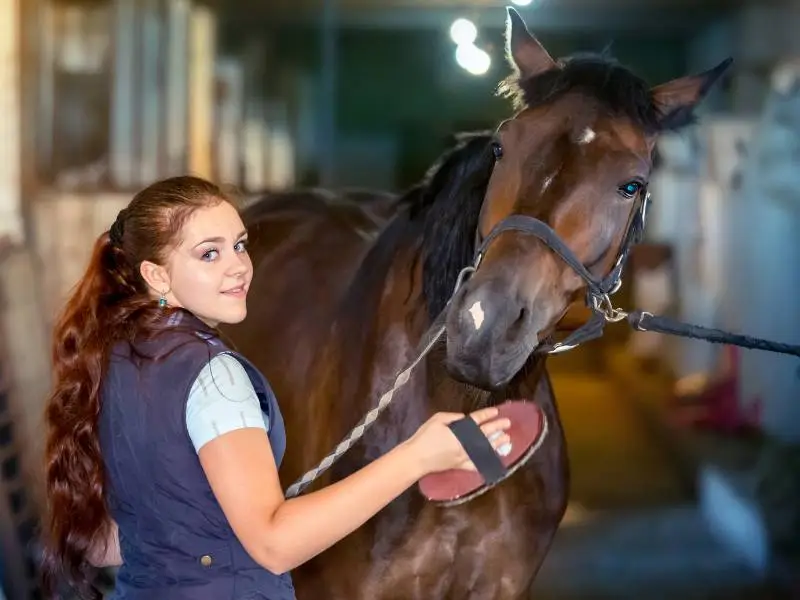
Caring for horses with delicate skin or heightened sensitivity requires a thoughtful approach. Many equines are easily startled by rough handling, harsh tools, or unfamiliar sensations. For these animals, a gentle grooming routine is essential—not only for their comfort but also for building trust and ensuring their overall well-being. This article offers practical advice and proven techniques for horse grooming for sensitive horses, helping you create a positive experience for both you and your equine companion.
Whether your horse flinches at the touch of a brush or simply needs a softer touch, understanding their unique needs can make all the difference. By using the right tools, reading your horse’s body language, and creating a calm environment, you can turn grooming into a bonding activity rather than a stressful ordeal. If you’re also interested in safety gear for riding, check out this guide on how to choose a helmet for eventing to ensure protection during all three phases.
Understanding Sensitivity in Horses
Horses can be sensitive for a variety of reasons. Some have naturally thin skin, while others may have had negative experiences in the past. Medical conditions, allergies, or even seasonal changes can also contribute to discomfort during grooming. Recognizing the signs of sensitivity—such as flinching, tail swishing, pinned ears, or moving away—helps you adapt your approach and avoid causing distress.
It’s important to observe your horse’s reactions closely. If you notice persistent discomfort, consult a veterinarian to rule out skin conditions or underlying health issues. Addressing these concerns early ensures your grooming routine remains safe and beneficial.
Choosing the Right Grooming Tools for Delicate Horses
Selecting appropriate equipment is crucial when caring for horses with heightened sensitivity. Traditional brushes and curry combs may be too harsh, so look for alternatives designed for gentle touch. Consider these options:
- Soft-bristled brushes: Use natural fibers or ultra-soft synthetic bristles to reduce irritation.
- Rubber grooming mitts: These allow you to use your hand’s pressure, offering more control and a soothing massage effect.
- Microfiber cloths: Ideal for wiping down sensitive areas like the face or legs.
- Flexible curry combs: Choose those made from soft rubber or silicone for loosening dirt without scratching.
Always test new tools on a small area first to gauge your horse’s reaction. Replace any worn or rough equipment promptly to prevent accidental discomfort.
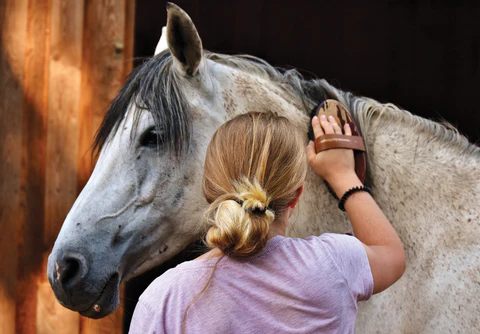
Gentle Grooming Techniques for Sensitive Equines
The way you handle your horse during grooming is just as important as the tools you use. Here are some gentle techniques to help your horse feel secure and relaxed:
- Start Slowly: Begin each session by letting your horse see and sniff the grooming tools. Approach calmly and avoid sudden movements.
- Use Light Pressure: Apply minimal pressure, especially over bony areas or places your horse reacts to. Let your hand glide with the brush rather than pressing down.
- Follow the Hair Growth: Always brush in the direction the hair grows to minimize pulling and discomfort.
- Break Sessions Into Short Periods: If your horse becomes restless, take breaks and reward calm behavior with praise or treats.
- Focus on Communication: Watch for signs of tension or relaxation. If your horse relaxes, continues eating, or lowers their head, you’re on the right track.
Remember, patience is key. Over time, your horse will associate grooming with positive experiences, making each session more enjoyable.
Managing Problem Areas and Sensitive Spots
Certain body parts—such as the belly, flanks, legs, and face—are more likely to trigger a reaction in sensitive horses. When working around these zones:
- Use your hand or a soft cloth instead of a brush.
- Speak softly and maintain gentle contact to reassure your horse.
- Never force grooming if your horse is visibly upset; try again later or consult a professional for advice.
For tangled manes or tails, use a detangler spray and your fingers to separate knots before introducing a comb. This minimizes pulling and reduces the risk of breakage or discomfort.

Creating a Calm Grooming Environment
The setting where you groom your horse can have a big impact on their comfort. Choose a quiet, familiar area free from loud noises or distractions. Keep your movements slow and predictable, and talk to your horse in a soothing voice throughout the process.
Establish a consistent routine so your horse knows what to expect. Many horses respond well to grooming after exercise, when they are naturally more relaxed. If you’re working with a particularly anxious horse, consider enlisting the help of an experienced handler or trainer.
When to Seek Professional Help
If your horse’s sensitivity persists despite gentle handling, or if you notice skin issues such as rashes, bald patches, or persistent flinching, consult a veterinarian or equine specialist. Sometimes, underlying medical conditions or behavioral issues may require targeted treatment or training.
For more in-depth advice on equine care, the grooming basics for equine caregivers guide offers additional tips and resources.
Additional Tips for Sensitive Horse Grooming Success
- Keep grooming sessions positive by rewarding calm behavior with treats or gentle words.
- Maintain your grooming tools by cleaning them regularly to prevent dirt buildup and rough edges.
- Monitor your horse’s skin and coat for changes, and adjust your routine as needed.
- Stay patient—building trust with a sensitive horse takes time and consistency.
- Consider using fly sprays or protective sheets during bug season to reduce irritation.
If you’re curious about helmet safety standards or want to avoid common mistakes, explore topics like common equestrian helmet fitting mistakes for more insights into overall horse care and rider safety.
Frequently Asked Questions
What are the best brushes for horses with sensitive skin?
Soft-bristled brushes made from natural fibers or gentle synthetic materials are ideal. Rubber grooming mitts and microfiber cloths are also excellent choices, as they minimize irritation and allow for better control of pressure.
How can I help my horse relax during grooming?
Create a calm environment, use gentle techniques, and maintain a consistent routine. Speaking softly and rewarding relaxed behavior can help your horse associate grooming with positive experiences.
When should I consult a veterinarian about my horse’s sensitivity?
If your horse shows persistent discomfort, develops skin issues, or reacts strongly despite gentle grooming, it’s best to seek professional advice. A veterinarian can identify underlying health problems or recommend specialized care.