

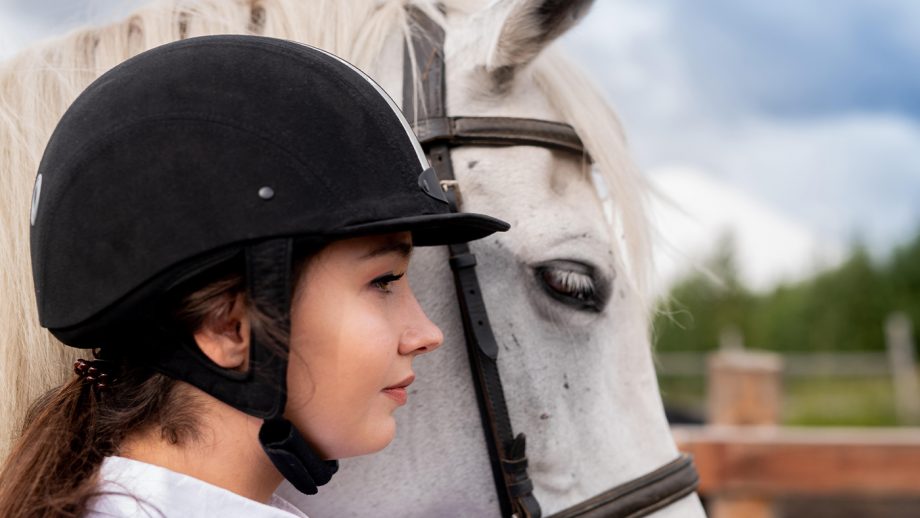
Horse riding is an exhilarating sport, but it comes with inherent risks. Among the most important pieces of equipment for any rider—especially those in racing or eventing—is the jockey skull cap. Understanding the features, uses, and safety advantages of this specialized helmet is crucial for anyone involved in equestrian activities. Whether you’re a new rider, a parent, or an experienced jockey, knowing how this headgear works can help you make informed decisions about your safety on horseback.
In this article, we’ll break down the structure and function of the jockey skull cap, explore its primary applications, and discuss why it’s a preferred choice for many equestrians. We’ll also look at how it compares to other helmet types, review key safety standards, and provide guidance on selecting the right fit for optimal protection. For those interested in broader helmet safety comparisons, the equestrian helmet safety ratings resource offers valuable insights.
Understanding the Jockey Skull Cap: Design and Features
The jockey skull cap is a type of riding helmet specifically engineered for high-risk equestrian disciplines. Unlike traditional riding helmets with visors, the skull cap has a smooth, rounded profile with no fixed peak. This design minimizes the risk of the helmet catching on obstacles or the ground during a fall, which can reduce the chance of neck or head injuries.
Key features of a jockey skull cap include:
- Lightweight construction for comfort during long rides or races.
- Ventilation systems to keep the rider cool.
- A secure, adjustable harness for a snug fit.
- High-impact resistant outer shell and shock-absorbing liner.
- Absence of a fixed peak, which is mandatory in many racing and eventing rules.
The streamlined shape also allows for the use of silk helmet covers, which can be color-coordinated for teams or events.
Main Uses: Who Wears a Jockey Skull Cap?
While all horse riders benefit from head protection, the skull cap is especially popular in disciplines where falls are more likely or where regulations require specific safety gear. These helmets are most commonly seen in:
- Horse racing (flat and jump racing)
- Eventing (particularly cross-country phases)
- Point-to-point and steeplechase competitions
- Some forms of show jumping and hunting
The design prioritizes both safety and practicality for riders who may be thrown from the saddle at high speeds or over challenging terrain. For those looking to ensure a proper fit, the equestrian helmet size guide is a helpful reference.
Key Safety Benefits of Jockey Skull Caps
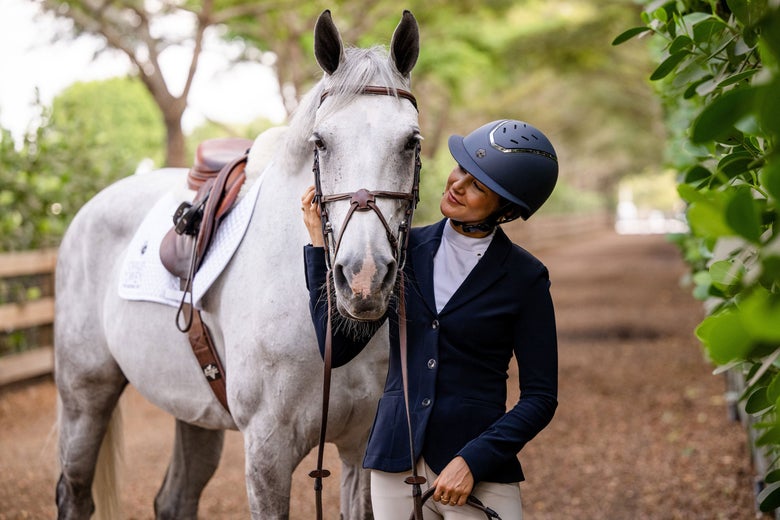
The primary purpose of any riding helmet is to protect the rider’s head in the event of a fall or collision. The skull cap’s unique design offers several safety advantages:
- Reduced snag risk: The lack of a fixed peak prevents the helmet from catching on the ground, fences, or branches, which can help avoid rotational injuries.
- Enhanced impact absorption: Modern skull caps are built to absorb and dissipate energy from impacts, reducing the risk of concussion or skull fractures.
- Compliance with strict safety standards: Most models meet or exceed national and international certification requirements for equestrian sports.
- Improved fit: The secure harness and snug design keep the helmet in place, even during high-speed falls.
Some skull caps now incorporate advanced technologies, such as MIPS (Multi-directional Impact Protection System), which is designed to reduce rotational forces during angled impacts. To learn more about this technology and its benefits, see this detailed explanation of MIPS helmet technology.
Choosing the Right Jockey Skull Cap for Your Needs
Selecting the right helmet is essential for both comfort and safety. Here are some tips to help you find the best skull cap for your riding discipline:
- Check certification: Look for helmets that comply with recognized safety standards (such as ASTM, SEI, or PAS015).
- Fit matters: A helmet should fit snugly without pressure points. For a step-by-step fitting process, refer to the how to measure head for riding helmet guide.
- Ventilation and comfort: Choose a model with adequate airflow and padding for your climate and riding style.
- Replace after impact: Always replace your helmet after a significant fall or if you notice any cracks or damage.
Remember, the best helmet is the one you’ll wear every time you ride. Comfort, fit, and safety certification should all play a role in your decision.
Comparing Skull Caps to Other Equestrian Helmets
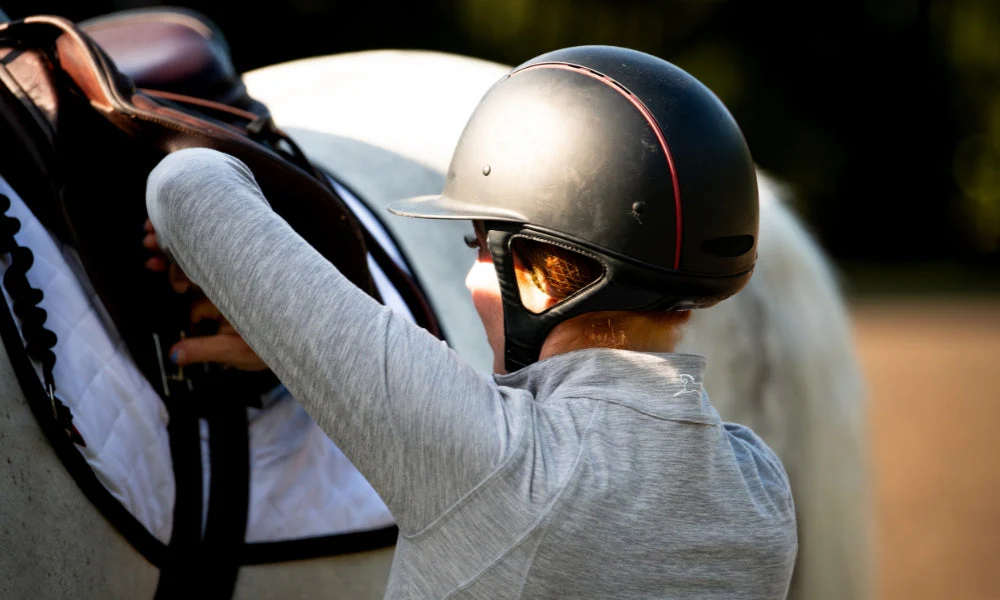
While the skull cap is a staple in racing and eventing, other helmet styles are popular in disciplines like dressage and show jumping. Traditional riding helmets often have a fixed visor and a more decorative appearance, which may be preferred in the show ring. However, these features can pose additional risks in high-speed or cross-country environments.
The main differences between skull caps and other riding helmets include:
- Peak/visor: Skull caps have no fixed peak, reducing snag hazards.
- Profile: Skull caps are more streamlined and less bulky.
- Regulatory requirements: Some competitions mandate skull caps for safety reasons.
Riders should always choose the helmet that best matches their discipline and safety needs. For more information on helmet safety and protection levels, consult the equestrian helmet safety ratings article.
Care and Maintenance Tips
To maximize the lifespan and effectiveness of your skull cap, follow these care guidelines:
- Store in a cool, dry place away from direct sunlight.
- Clean the outer shell and lining according to manufacturer instructions.
- Inspect regularly for cracks, dents, or loose harnesses.
- Replace after any significant impact, even if no damage is visible.
Proper maintenance ensures your helmet continues to offer reliable protection every time you ride.
Frequently Asked Questions
What makes a jockey skull cap different from a standard riding helmet?
The main difference is the absence of a fixed peak or visor, which reduces the risk of snagging during a fall. Skull caps also tend to have a more streamlined shape and are often required in racing and eventing disciplines.
Are jockey skull caps suitable for all types of riding?
While they provide excellent protection, skull caps are primarily designed for high-risk disciplines like racing and eventing. For dressage or show jumping, riders may prefer traditional helmets with visors, though skull caps can be worn in most situations if they meet safety standards.
How do I ensure my skull cap fits correctly?
Measure your head circumference and consult the manufacturer’s sizing chart. The helmet should fit snugly without causing discomfort. For detailed instructions, see the how to measure head for riding helmet guide.
How often should I replace my jockey skull cap?
Replace your helmet after any significant impact or every 3–5 years, even if no visible damage is present. Materials can degrade over time, reducing protective capability.
Can I use a skull cap for other sports?
Jockey skull caps are specifically designed for equestrian use and may not provide appropriate protection for other activities. Always use sport-specific helmets for maximum safety.