

A well-fitted riding helmet is essential for every equestrian, whether you’re a beginner or an experienced rider. The right helmet not only provides comfort but, more importantly, ensures maximum protection in case of a fall or impact. Unfortunately, many riders unknowingly wear helmets that don’t fit as they should, putting themselves at risk. Recognizing the signs of a poorly fitting riding helmet can make a significant difference in your safety and overall riding experience.
Understanding how your helmet should feel and function is crucial. Even the best-rated helmets can fail to protect if they don’t fit your head correctly. If you’re unsure about sizing, it’s helpful to consult resources like the equestrian helmet size guide or learn how to measure head for riding helmet for a precise fit. Early awareness of helmet fit issues can prevent discomfort, distraction, and even serious injury.
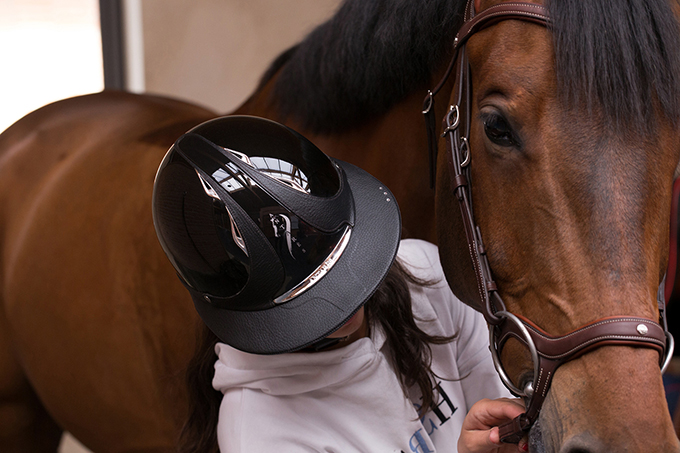
Why Proper Helmet Fit Matters for Equestrians
Wearing a helmet that fits properly is not just about comfort—it’s about safety. A helmet that’s too loose or too tight can compromise its protective capabilities. In the event of a fall, a poorly fitted helmet may shift, come off, or fail to absorb impact as intended. This increases the risk of head injuries, which can be severe or even life-threatening.
Modern helmets are designed with advanced safety features, but these only work as intended when the helmet sits securely and comfortably on your head. For more details on safety standards and ratings, you can explore the equestrian helmet safety ratings guide.
Top Warning Signs Your Riding Helmet Doesn’t Fit Right
Spotting the signs of a poorly fitting riding helmet early can help you avoid discomfort and reduce the risk of injury. Here are five key indicators that your helmet may not be the right fit.
1. Helmet Moves or Shifts Easily
One of the most obvious signs is a helmet that moves around when you shake your head or ride. A helmet should stay securely in place, even during active movement. If you can easily rotate it side to side or front to back, it’s likely too loose. This instability can cause the helmet to slip out of position in the event of a fall, leaving your head unprotected.

2. Pressure Points or Headaches
A helmet that is too tight can create uncomfortable pressure points on your forehead, temples, or the back of your head. This often leads to headaches or soreness after riding. The fit should be snug but not painful. If you notice red marks or discomfort that lingers after removing your helmet, it’s a clear sign the size or shape is not right for you.
3. Gaps Between Helmet and Head
There should be no noticeable gaps between your head and the inside of the helmet. Gaps mean the helmet isn’t making full contact with your skull, which reduces its ability to absorb impact. You should feel even contact all around, with the helmet sitting just above your eyebrows and covering the base of your skull.
4. Helmet Sits Too High or Low
Proper positioning is crucial. If your helmet sits too high on your forehead, it leaves your face and head exposed. If it sits too low, it can obstruct your vision and press uncomfortably on your eyebrows. The correct position is level on your head, with the front rim about one to two finger-widths above your eyebrows.

5. Uncomfortable or Loose Chin Strap
The chin strap is a vital part of helmet security. If it’s too loose, the helmet can come off during a fall. If it’s too tight, it can cause chafing or restrict movement. The strap should fit snugly under your chin, allowing you to open your mouth comfortably but not so loose that you can pull the helmet off without unfastening it.
How to Check and Improve Your Helmet Fit
Regularly checking your helmet’s fit is essential, especially if it’s new or if you haven’t worn it in a while. Here’s a simple checklist to ensure your helmet fits as it should:
- Place the helmet level on your head, just above your eyebrows.
- Fasten the chin strap and adjust it so it’s snug but comfortable.
- Shake your head gently—your helmet should stay in place without shifting.
- Check for even pressure all around, with no gaps or pinching.
- Look in a mirror to confirm the helmet sits level and covers the base of your skull.
If you’re unsure about your helmet’s fit, consider visiting a tack shop for professional help or review detailed guides such as the equestrian helmet size guide. For those interested in the latest safety technologies, learning about the benefits of the MIPS system in horse riding helmets can be valuable.
Common Mistakes Riders Make With Helmet Fit
Even experienced riders can make mistakes when it comes to helmet sizing and adjustment. Some common errors include:
- Choosing a helmet based on brand or style rather than fit.
- Wearing hats or thick hair accessories under the helmet, which can affect fit.
- Ignoring discomfort, assuming the helmet will “break in” over time.
- Not replacing a helmet after a fall or visible damage.
- Failing to adjust the chin strap properly before each ride.
Remember, a helmet is a piece of safety equipment, not just a fashion accessory. Prioritizing fit over appearance is key to staying protected.
Frequently Asked Questions
How often should I check my riding helmet’s fit?
It’s a good idea to check your helmet’s fit every few months, especially if you ride frequently or if your helmet has been dropped or involved in a fall. Head shape and hair length can also change over time, affecting fit.
Can I adjust a helmet that doesn’t fit, or do I need a new one?
Some helmets offer adjustable liners or dial-fit systems, which can help improve fit. However, if the helmet is fundamentally too large or small, or if you experience persistent discomfort, it’s best to invest in a new helmet that matches your head shape and size.
What should I do if my helmet feels uncomfortable after a short ride?
Discomfort after a short ride is a sign that your helmet may not fit correctly. Try adjusting the straps and padding. If the problem persists, consider trying different helmet models or sizes to find one that offers a better fit.
Conclusion
Recognizing the signs of a poorly fitting riding helmet is essential for every rider’s safety and comfort. Don’t ignore movement, pressure points, gaps, poor positioning, or strap issues. Take the time to ensure your helmet fits properly, and consult guides or professionals if you’re unsure. Your safety is worth the effort—ride with confidence knowing your head is protected.