

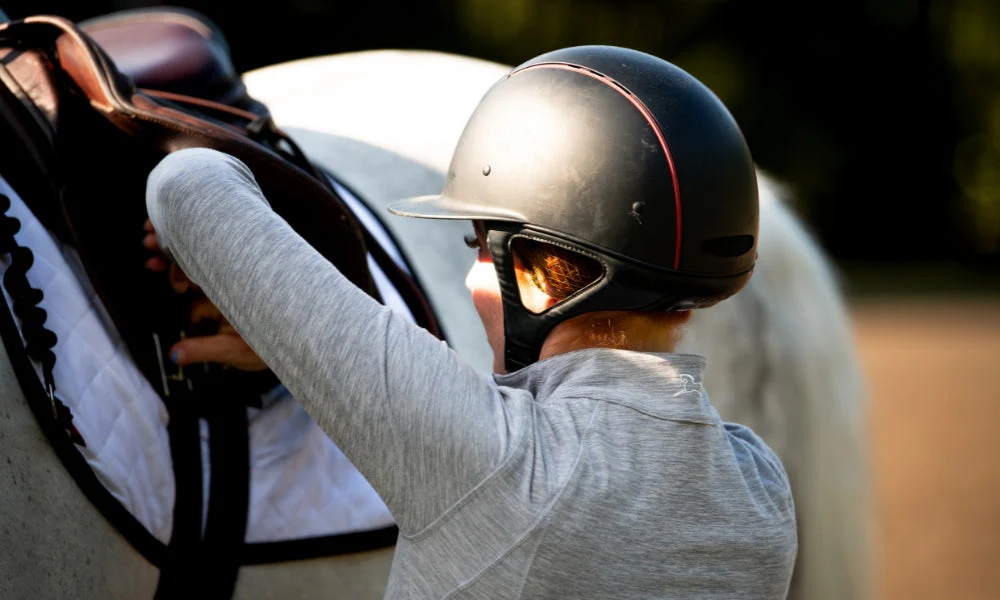
Horseback riding is an exhilarating and rewarding activity, but it comes with inherent risks. One of the most important pieces of safety equipment for any equestrian is a well-designed helmet. To ensure riders are protected, helmet manufacturers must meet rigorous safety benchmarks. Among the most recognized is the ASTM F1163 safety standard, which sets the bar for impact protection and helmet performance in equestrian sports.
Whether you’re a seasoned competitor or a casual trail rider, knowing what this standard entails can help you make informed decisions about your headgear. This article explores the essential aspects of the ASTM F1163 certification, why it matters, and how it impacts your safety in the saddle. For a deeper dive into how helmet ratings compare, you might also find the equestrian helmet safety ratings guide useful.
What Is the ASTM F1163 Standard?
The ASTM F1163 is a set of technical requirements developed by ASTM International, a globally recognized organization that creates voluntary consensus standards. This particular standard applies specifically to equestrian helmets and outlines the minimum safety requirements for design, performance, testing, and labeling.
Helmets that meet this benchmark have undergone a series of laboratory tests designed to simulate real-world riding accidents. These tests evaluate how well the helmet absorbs impact, resists penetration, and stays securely on the rider’s head during a fall or collision.
Key Components of ASTM F1163 Certification
To better appreciate the importance of ASTM F1163, it’s helpful to understand what the standard actually covers. Here are the primary aspects evaluated during certification:
- Impact Attenuation: Helmets must effectively absorb and dissipate energy from a fall, reducing the force transmitted to the skull and brain.
- Penetration Resistance: The outer shell must prevent sharp objects from piercing through to the head.
- Retention System Strength: Chin straps and harnesses are tested to ensure they remain secure and do not break under stress.
- Stability: The helmet should stay in place during sudden movements or impacts, minimizing the risk of it coming off in an accident.
- Labeling and Instructions: Certified helmets must include clear labels indicating compliance and provide instructions for proper use and care.
How Helmets Are Tested Under ASTM F1163
The certification process involves a battery of laboratory tests. These procedures are designed to replicate the types of forces and impacts that might occur during riding accidents. Some of the key tests include:
- Drop Test: A helmet is dropped from a specified height onto various surfaces to measure impact absorption.
- Penetration Test: A pointed striker is dropped onto the helmet to ensure the shell resists puncture.
- Retention Test: The strength and durability of the chin strap are tested by applying force to ensure it does not break or stretch excessively.
- Stability Test: The helmet is subjected to rotational forces to check if it stays securely on the head.
Only helmets that pass all these assessments receive the ASTM F1163 certification mark, which is typically found on a label inside the helmet.
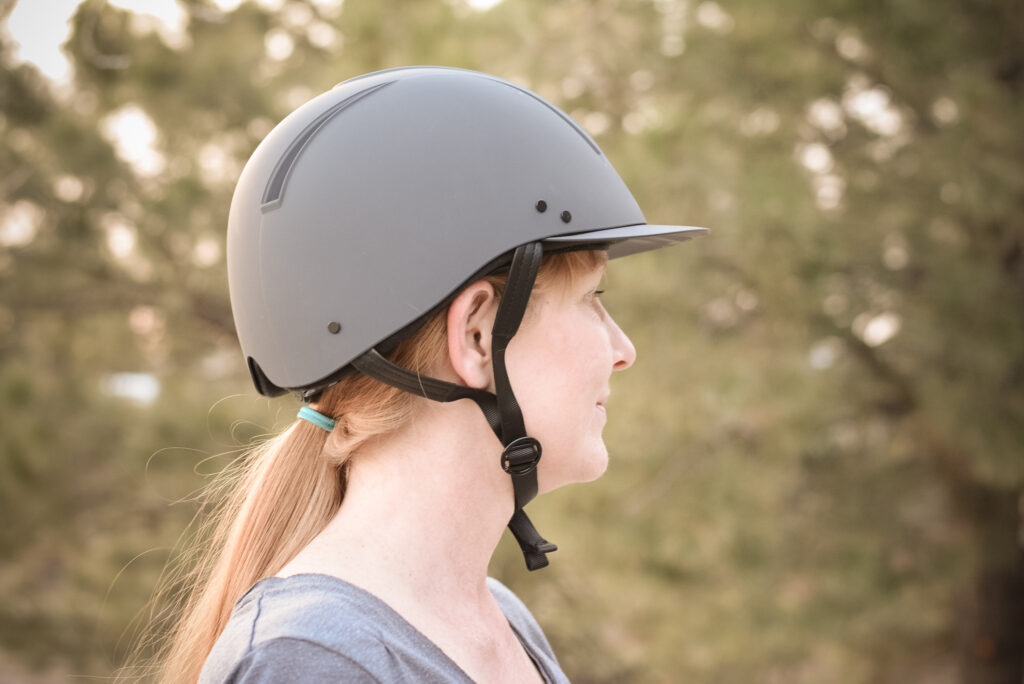
Why ASTM F1163 Matters for Equestrians
Choosing a helmet that meets this recognized safety benchmark is one of the most effective ways to protect yourself while riding. Here’s why:
- Proven Protection: Helmets certified to this standard have demonstrated their ability to reduce the risk of head injuries in controlled conditions.
- Industry Acceptance: Most equestrian organizations and competitions require helmets to meet or exceed ASTM F1163. Without this certification, you may not be allowed to participate in certain events.
- Peace of Mind: Knowing your helmet has passed rigorous testing can give you confidence every time you ride.
If you’re unsure about helmet fit, the equestrian helmet size guide offers practical advice for finding the right size and shape for your head.
Comparing ASTM F1163 With Other Safety Standards
While ASTM F1163 is widely used in North America, there are other standards around the world, such as PAS 015 (UK) and VG1 (Europe). Each has its own testing protocols and focus areas. Some helmets are certified to multiple standards, offering even broader protection.
When shopping for a new helmet, look for labels indicating which standards the helmet meets. This information is usually found on a sticker or tag inside the helmet. For help measuring your head correctly, you can consult this step-by-step helmet measuring guide.
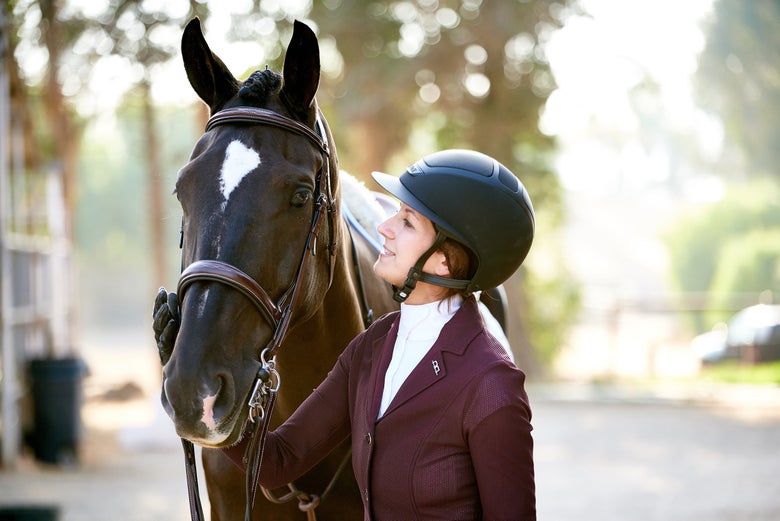
Tips for Choosing a Certified Riding Helmet
Selecting the right helmet involves more than just checking for a certification label. Here are some practical tips to ensure you get the best protection and comfort:
- Check for Certification: Always look for the ASTM F1163 mark or equivalent safety standard on the helmet.
- Fit Matters: A helmet must fit snugly without causing discomfort. For a step-by-step process, refer to the how to measure head for riding helmet guide.
- Replace After Impact: Helmets are designed for single-use impact. Replace your helmet after any significant fall, even if there’s no visible damage.
- Consider Ventilation and Weight: Comfort features like ventilation and lightweight materials can make a big difference, especially during long rides.
- Follow Manufacturer Instructions: Always read and follow the care and maintenance guidelines provided with your helmet.
Frequently Asked Questions
What does ASTM F1163 mean on a riding helmet?
This marking indicates that the helmet has passed a series of rigorous tests for impact absorption, penetration resistance, and retention system strength as defined by ASTM International. It assures riders that the helmet meets a recognized safety benchmark.
How often should I replace my riding helmet?
Most experts recommend replacing your helmet every five years, or immediately after a significant impact. Even if there’s no visible damage, the protective materials can degrade over time or after a fall.
Are all riding helmets required to meet ASTM F1163?
In North America, most equestrian organizations and competitions require helmets to meet this standard. However, some helmets may be certified to other standards depending on the country or discipline. Always check the rules of your riding organization.
How do I know if my helmet fits correctly?
A properly fitting helmet should sit level on your head, cover the forehead, and feel snug without causing pressure points. For detailed instructions, see the equestrian helmet size guide.
Conclusion
Understanding the ASTM F1163 safety standard is crucial for every rider who values safety and wants to make informed choices about protective gear. By choosing a helmet that meets this benchmark, you’re investing in proven protection and peace of mind. Always check for certification, ensure a proper fit, and replace your helmet as needed to maintain the highest level of safety while enjoying your time in the saddle.