

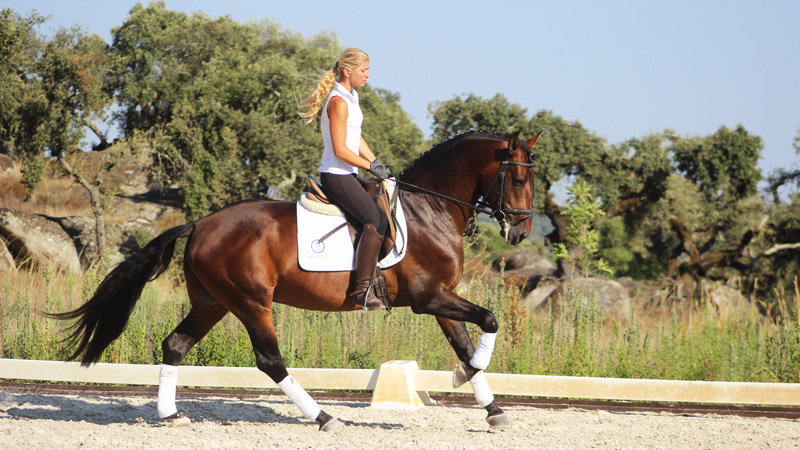
Developing a structured approach to dressage is essential for riders aiming to advance their skills and improve their horse’s performance. Whether you are new to the discipline or looking to refine your current methods, creating a dressage training plan provides a roadmap for consistent progress. A well-designed routine not only enhances communication between horse and rider but also ensures that both partners remain motivated and healthy throughout their training journey.
Before diving into the specifics of building a routine, it’s important to understand the unique needs of your horse, your own goals, and the principles that underpin successful dressage. This article will guide you through the process, offering practical advice and actionable steps to help you achieve steady improvement in your dressage practice.
For those interested in overall equestrian safety, you may also find value in learning about how to choose a helmet for eventing to complement your dressage journey.
Understanding the Foundations of Dressage Routines
At its core, dressage is about developing a harmonious partnership between horse and rider. A successful plan is built on the principles of gradual progression, clear communication, and respect for the horse’s physical and mental well-being. Before outlining your weekly or monthly schedule, assess your horse’s current fitness, temperament, and experience level. This assessment will help you set realistic goals and avoid overtraining.
It’s also helpful to familiarize yourself with the key elements of a dressage program:
- Warm-up and cool-down: Essential for preparing muscles and preventing injury.
- Progressive exercises: From basic transitions to more advanced lateral movements.
- Rest and variety: Incorporating rest days and cross-training to keep your horse engaged.
- Regular assessment: Tracking progress and adjusting goals as needed.
Setting Goals for Your Dressage Journey
Establishing clear, achievable objectives is a cornerstone of any effective dressage training plan. Start by identifying your long-term ambitions—such as competing at a certain level or mastering specific movements—and break them down into short-term milestones. These might include improving straightness, developing better rhythm, or increasing suppleness.
When setting goals, consider both your own aspirations and your horse’s capabilities. For example, a young or green horse may need more time to master the basics, while a more experienced partner could focus on refining advanced techniques. Adjust your expectations as you progress, and celebrate small victories along the way.
Structuring Your Weekly Dressage Schedule
Consistency is key when it comes to planning dressage sessions. A typical week might include a mix of schooling rides, groundwork, rest days, and cross-training activities. Here’s a sample structure to help you get started:
- Day 1: Flatwork focusing on rhythm and relaxation
- Day 2: Lateral work and transitions
- Day 3: Rest or light hack
- Day 4: Pole work or gentle gymnastic exercises
- Day 5: Dressage test practice or focused schooling
- Day 6: Cross-training (trail ride, hill work, or lunging)
- Day 7: Rest or turnout
This structure can be tailored to your horse’s needs, your schedule, and your training environment. Always monitor your horse’s energy levels and adjust as necessary.

Key Components of a Successful Dressage Program
Every effective routine includes several core components. By integrating these elements, you’ll build a strong foundation for both horse and rider:
- Warm-up: Begin each session with 10–15 minutes of walking, stretching, and gentle transitions. This prepares the horse’s muscles and mind for more demanding work.
- Skill development: Focus on one or two specific exercises per session, such as circles, serpentines, or leg yields. This targeted approach prevents overwhelm and encourages steady progress.
- Cool-down: End with relaxed walking and stretching to aid recovery and reduce the risk of soreness.
- Reflection: After each ride, take a few minutes to evaluate what went well and what could be improved. Keep a training journal to track patterns and achievements.
For more insights on getting started, you might find this discussion on beginning dressage routines helpful.
Adapting Your Plan for Progress and Setbacks
Flexibility is crucial when following a dressage training plan. Horses, like people, have good days and challenging ones. Be prepared to adjust your schedule if your horse shows signs of fatigue, soreness, or mental burnout. Incorporate rest days or lighter activities as needed, and don’t hesitate to revisit foundational exercises if progress stalls.
Regularly review your goals and celebrate milestones, no matter how small. If you encounter persistent issues, consider seeking feedback from a qualified instructor or experienced rider. They can provide valuable perspective and suggest adjustments to your approach.

Tips for Staying Motivated and Consistent
Maintaining enthusiasm and discipline is often one of the biggest challenges for riders. Here are some strategies to help you stay on track:
- Set both short-term and long-term goals, and review them regularly.
- Vary your sessions to keep both you and your horse interested—try new exercises, ride in different locations, or incorporate groundwork.
- Track your progress with a journal or video recordings to visualize improvements over time.
- Connect with other riders for support, advice, and camaraderie.
Remember, consistency doesn’t mean rigidity. Listen to your horse, be patient with setbacks, and adjust your plan as needed to maintain a positive experience for both of you.
Frequently Asked Questions
How often should I train my horse for dressage?
Most horses benefit from 4–6 sessions per week, with at least one or two rest days. The exact frequency depends on your horse’s age, fitness, and temperament. Always monitor for signs of fatigue and adjust accordingly.
What should I include in a basic dressage session?
A typical session should start with a thorough warm-up, followed by focused exercises targeting specific skills (such as transitions, circles, or lateral work), and finish with a cool-down. Vary the routine to keep your horse engaged and to address different aspects of training.
How do I know if my training plan is working?
Signs of progress include improved relaxation, better responsiveness, and increased ability to perform new movements. Keeping a journal, recording videos, and seeking feedback from instructors can help you track development and make informed adjustments.