

Equestrian sports come with inherent risks, and head protection is a top priority for riders of all levels. One of the most distinctive features of modern riding helmets is their extended coverage, particularly around the back of the head. Understanding why equestrian helmets cover the back of the head is crucial for anyone invested in riding safety, whether you’re a beginner or a seasoned competitor. This article explores the reasons behind this design, the science of impact zones, and how helmet coverage can make a significant difference in preventing serious injuries.
Riding accidents can happen unexpectedly, and the direction and force of a fall are often unpredictable. Unlike some other sports, equestrian activities frequently involve falls where the back of the head is especially vulnerable. The extended shell of a riding helmet is not just for aesthetics—it’s a deliberate safety feature based on real-world accident data and rigorous testing standards.
For those interested in the nuances of helmet selection for different riding disciplines, you may also find value in our guide on safety differences in equestrian disciplines, which explains how gear choices can vary depending on your riding style and risk profile.
Understanding Helmet Coverage and Impact Zones
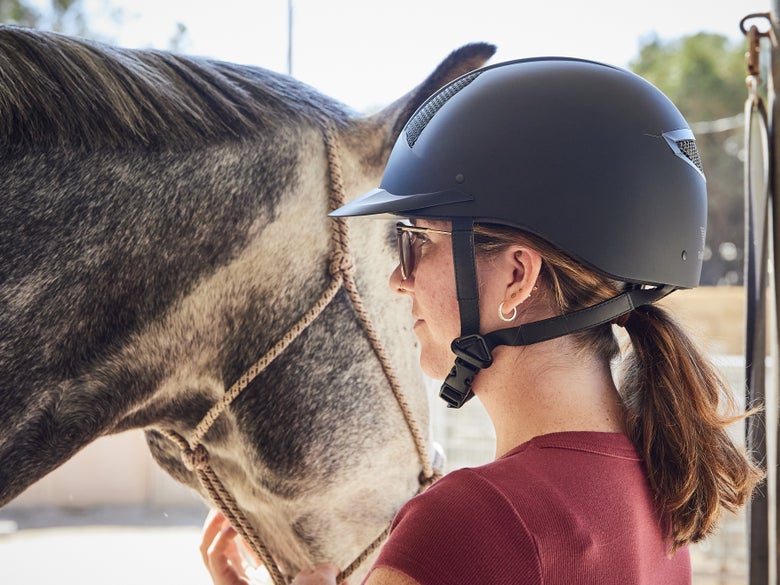
Equestrian helmets are engineered to protect the most vulnerable parts of a rider’s head. The back of the head—also known as the occipital region—is a critical area because it is frequently impacted during falls. Unlike cycling or skating, where forward motion dominates, horse riding accidents often involve rotational forces, unexpected dismounts, or being thrown backward. This makes the rear section of the skull especially susceptible to injury.
Helmet manufacturers and safety organizations have studied accident reports and biomechanical data to identify the most common points of impact. The findings are clear: a significant percentage of serious head injuries in equestrian sports involve the lower rear portion of the skull. As a result, modern riding helmets are designed with extended shells and padding that wrap around and protect this area.
Why the Back of the Head Is at Risk in Horse Riding
There are several reasons why the back of a rider’s head is particularly exposed during equestrian accidents:
- Unpredictable Falls: Horses can spook, buck, or stumble, causing riders to fall in any direction. Backward falls are common, especially when a horse stops suddenly or rears.
- Height and Velocity: Falling from a horse involves greater height and speed than many other sports, increasing the force of impact, particularly on the rear of the head.
- Surface Hazards: Riders often land on hard surfaces, rocks, or uneven ground, which can concentrate force on the occipital bone.
Because of these factors, helmet coverage that extends down the back of the head is not just a design choice—it’s a necessity for effective protection.
Helmet Standards and Testing for Rear Impact Protection
International safety standards for riding helmets, such as ASTM F1163 and VG1, require helmets to pass a series of impact tests, including those that simulate blows to the back of the head. These tests ensure that the helmet absorbs and disperses energy from impacts that could otherwise cause skull fractures or traumatic brain injuries.
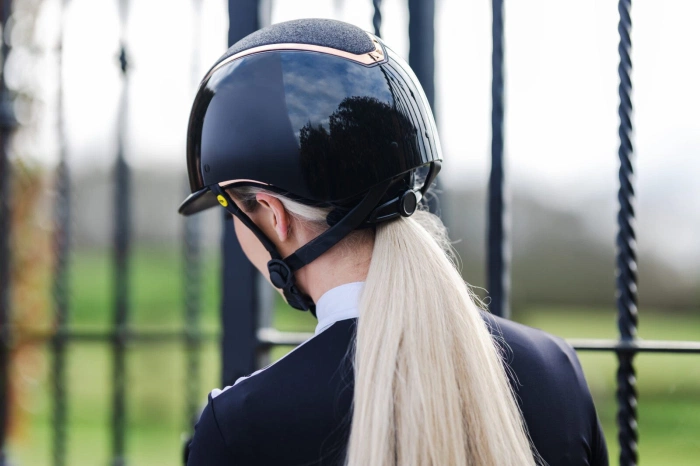
Unlike some cycling helmets, which may leave the lower rear skull more exposed, equestrian helmets must provide comprehensive coverage. The extended shell and additional padding help reduce the risk of both direct impact injuries and rotational brain trauma, which can occur when the head twists violently during a fall.
Proper fit is also essential for maximizing protection. A helmet that sits too high or shifts during movement may not adequately shield the vulnerable areas. For tips on recognizing a well-fitting helmet, see our article on how to tell if a riding helmet is too small.
Comparing Equestrian Helmets to Other Sports Headgear
It’s helpful to compare riding helmets to those used in other sports to understand their unique design. For example, bicycle helmets often prioritize ventilation and lightweight construction, sometimes at the expense of lower rear coverage. In contrast, equestrian helmets are built with a focus on protecting against multidirectional impacts and falls from greater heights.
Some key differences include:
- Shell Shape: Riding helmets have a deeper shell that wraps around the occipital region, while many bike helmets have a shallower fit.
- Padding and Liner: Equestrian helmets use thicker, more energy-absorbing liners to manage high-impact falls.
- Retention System: The harness and chin strap are designed to keep the helmet securely in place, even during sudden, forceful movements.
These differences highlight why it’s important to use a helmet specifically designed for horseback riding rather than repurposing gear from other sports.
Choosing the Right Helmet for Maximum Protection
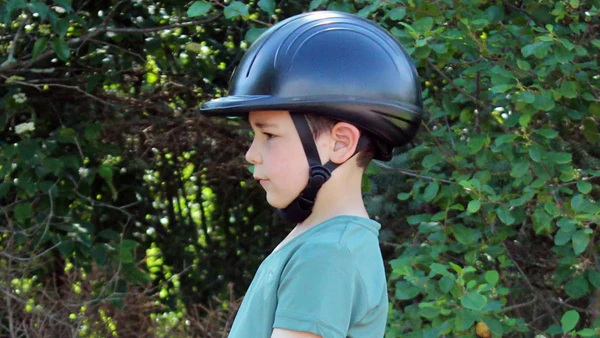
When selecting a riding helmet, it’s important to look for models that offer full coverage, especially at the back. Here are some practical tips for choosing the safest option:
- Ensure the helmet is certified to current safety standards (ASTM, VG1, etc.).
- Check that the shell extends low enough to protect the occipital bone without interfering with movement or comfort.
- Test the fit by shaking your head gently; the helmet should stay in place and not rock backward or forward.
- Replace your helmet after any significant impact, even if there’s no visible damage, as the protective materials may be compromised.
If you’re unsure about sizing or fit, you can find a helpful overview in this guide to buying an equestrian riding helmet, which covers sizing and fit considerations in detail.
Additional Considerations for Helmet Safety
While coverage is critical, several other factors contribute to overall head protection:
- Weight: A lighter helmet can reduce neck fatigue, especially during long rides. Learn more about this in our article on how to evaluate helmet weight for neck comfort.
- Material: Advances in materials, such as carbon fiber, can enhance both strength and comfort. For more information, see our discussion on the benefits of carbon fiber riding helmets.
- Discipline-Specific Needs: Different riding styles may require specialized helmets. For eventers, our resource on how to choose a helmet for eventing explains what to look for across the three phases.
Ultimately, the best helmet is one that fits well, meets safety standards, and provides comprehensive coverage, especially at the back of the head where impacts are most likely to cause serious harm.
Frequently Asked Questions
Do All Equestrian Helmets Protect the Back of the Head?
Yes, certified riding helmets are specifically designed to shield the occipital region. Always check for certification marks and ensure the helmet fits snugly to maximize protection.
Can I Use a Bike Helmet for Horseback Riding?
No, bike helmets do not provide adequate coverage or impact protection for the types of falls common in equestrian sports. Always use a helmet designed and certified for horseback riding.
How Often Should I Replace My Riding Helmet?
Helmets should be replaced after any significant impact or every 3–5 years, even if there are no visible signs of damage. Materials degrade over time, which can reduce protective capability.
What Features Should I Look for in a Riding Helmet?
Look for extended coverage at the back, certification to current safety standards, a secure retention system, and a comfortable fit. Additional features like ventilation and lightweight materials can enhance comfort but should not compromise safety.