

When it comes to show jumping, the right helmet is not just a piece of equipment—it’s a critical safeguard that can make the difference between a minor fall and a life-altering injury. Riders at every level must prioritize both safety and performance when selecting protective headgear. With evolving standards, new technologies, and a wide range of styles, choosing a helmet for show jumping requires careful consideration of fit, certification, comfort, and design.
This guide explores the essential factors that influence helmet selection for show jumping. Whether you’re a seasoned competitor or a newcomer to the sport, understanding what to look for in a helmet will help you ride with confidence and peace of mind. For those interested in how helmet requirements differ across disciplines, you might also find our resource on how to choose a helmet for eventing helpful.
Understanding Helmet Safety Standards for Show Jumping
Before exploring specific features, it’s crucial to recognize the importance of helmet safety certifications. Organizations such as ASTM (American Society for Testing and Materials), SEI (Safety Equipment Institute), and CE (Conformité Européenne) set the benchmarks for impact protection and construction quality. Helmets used in recognized show jumping competitions must meet at least one of these standards, and many events require proof of certification before a rider can compete.
Look for labels or markings inside the helmet that indicate compliance. Helmets that meet multiple standards often provide broader protection. For a deeper dive into helmet fit and comfort, our article on how to evaluate helmet weight for neck comfort offers valuable insights.
Key Features to Consider When Selecting a Helmet
With so many options on the market, narrowing down the best helmet for show jumping involves evaluating several key features:
- Impact Protection: The primary function of any helmet is to absorb and dissipate energy from a fall or collision. Advanced technologies like MIPS (Multi-directional Impact Protection System) are becoming more common, offering additional defense against rotational forces. To learn more about how MIPS works, see our guide on understanding rotational impact in riding falls.
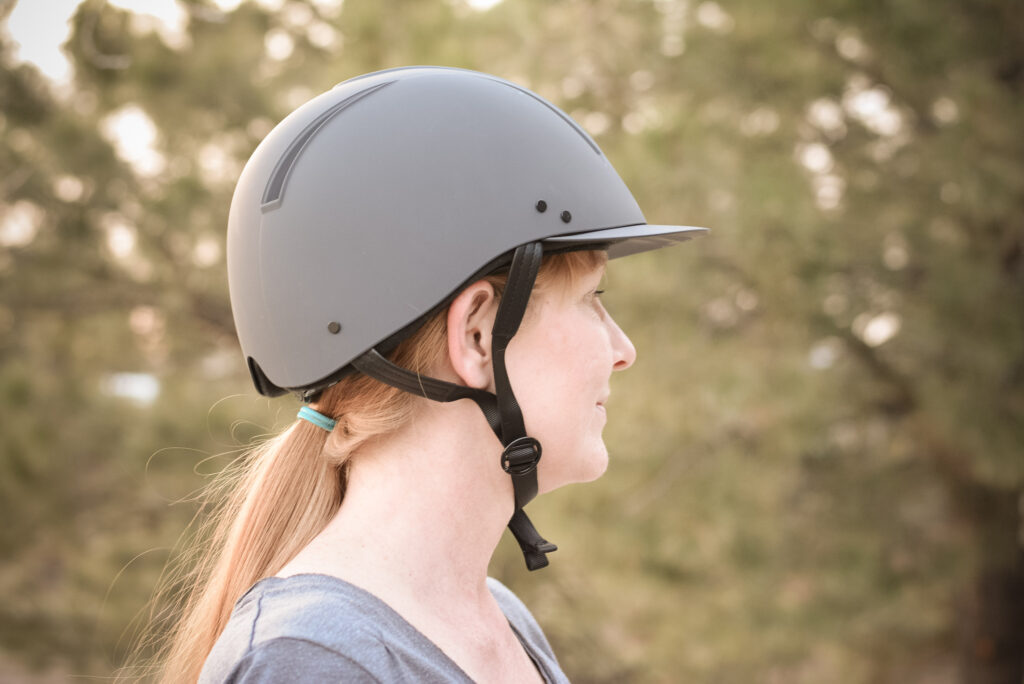
- Fit and Sizing: A helmet that doesn’t fit properly can compromise safety. It should sit level on your head, with the front just above the eyebrows, and feel snug without causing discomfort. Adjustable harnesses and removable padding can help achieve a tailored fit. If you’re unsure about sizing, our article on how to tell if a riding helmet is too small provides practical tips.
- Ventilation: Show jumping is physically demanding, and a well-ventilated helmet keeps riders cool and focused. Look for strategically placed vents and moisture-wicking liners.
- Weight: Lightweight helmets reduce neck fatigue during long days at the barn or in the ring. Materials like polycarbonate and advanced composites balance strength and weight.
- Retention System: The chin strap and harness should be easy to adjust, secure, and comfortable. A well-designed retention system prevents the helmet from shifting during a fall.
- Style and Customization: While safety is paramount, many brands offer a range of colors, finishes, and even custom options to match your personal style or team colors.
Modern Helmet Technologies Enhancing Rider Safety
Recent advancements in helmet design have led to significant improvements in rider protection. One of the most notable innovations is the integration of MIPS technology, which helps reduce the risk of brain injury from rotational impacts. Helmets equipped with this system feature a low-friction layer that allows the helmet to slide relative to the head during angled impacts, offering an extra layer of defense.
For more details on how this technology works and its benefits, visit the MIPS helmet technology overview provided by Uvex Sports. Many leading brands now incorporate MIPS or similar systems, making it easier for riders to find a helmet that delivers both traditional and advanced protection.
Maintaining and Replacing Your Show Jumping Helmet
Even the best helmet will lose its protective qualities over time. Regular maintenance and timely replacement are essential for ongoing safety:
- Inspection: Check your helmet for cracks, dents, or loose padding after every ride. If you notice any damage, replace the helmet immediately.
- Cleaning: Use mild soap and water to clean the shell and removable liners. Avoid harsh chemicals that can degrade materials. For a cleaning schedule, see our advice on how often to wash riding helmet padding.
- Replacement: Most manufacturers recommend replacing your helmet every 3–5 years, or sooner if it has sustained an impact, even if no visible damage is present. The protective foam inside can compress over time, reducing its effectiveness.
How to Ensure the Best Fit for Show Jumping Helmets
Proper fit is non-negotiable for both comfort and safety. Here’s how to check if your helmet is the right size and shape:
- Measure your head circumference just above your eyebrows and compare it to the manufacturer’s sizing chart.
- Try on several models, as head shapes vary and some brands cater to rounder or more oval profiles.
- The helmet should feel snug all around, with no pressure points. It should not rock forward, backward, or side to side.
- Fasten the chin strap so only two fingers fit between the strap and your chin. Shake your head gently; the helmet should stay in place.
Remember, a helmet that fits well will provide the best protection and allow you to focus on your performance in the ring.
Frequently Asked Questions
What certifications should a show jumping helmet have?
Look for helmets certified by ASTM/SEI, CE, or other recognized safety organizations. These certifications ensure the helmet meets rigorous impact and construction standards required for competition and everyday riding.
How often should I replace my show jumping helmet?
Helmets should be replaced every 3–5 years, or immediately after any significant impact. Even if there is no visible damage, the internal materials can degrade over time, reducing the helmet’s ability to protect you.
Is it worth investing in helmets with MIPS or similar technologies?
Helmets with MIPS or comparable systems offer additional protection against rotational forces, which are common in falls. While no helmet can prevent all injuries, these technologies provide an extra layer of safety and are increasingly recommended by experts.
Conclusion
Making an informed decision about protective headgear is one of the most important steps you can take as a show jumper. By focusing on certified safety standards, advanced technologies, proper fit, and regular maintenance, you ensure that your helmet will provide optimal protection and comfort. As equipment continues to evolve, staying up to date with the latest features and recommendations will help you ride with greater confidence and security.