


Equestrian helmets are a vital piece of safety equipment for every rider. Whether you’re heading to a competition, a lesson, or simply transporting your gear, ensuring your helmet arrives in top condition is essential. Mishandling or improper packing can compromise the helmet’s protective features, so understanding how to travel with an equestrian helmet safely is key to maintaining its integrity and your safety.
This article covers practical strategies for transporting your helmet by car, plane, or public transit. You’ll also find tips on packing, cleaning, and storage, as well as advice on choosing the right carrying case. For those interested in learning more about helmet selection for specific riding disciplines, check out the guide on how to choose a helmet for eventing for additional insights.
Why Proper Helmet Transport Matters
Equestrian helmets are engineered to absorb impact and protect your head in the event of a fall. However, their effectiveness depends on the integrity of the materials inside the shell. Dropping, crushing, or exposing your helmet to extreme temperatures during travel can weaken its structure or reduce its protective capabilities. That’s why safe transport of your riding helmet is as important as wearing it during every ride.
Even a minor crack or dent can compromise the helmet’s ability to protect you. For this reason, always inspect your helmet after travel and before every ride. If you notice any visible damage, it’s best to replace the helmet immediately.
Choosing the Right Helmet Bag or Case
The first step in traveling with your equestrian helmet is selecting a suitable bag or case. The right carrier will shield your helmet from impacts, dust, and moisture. Here are some options to consider:
- Padded helmet bags: These are designed specifically for equestrian helmets and offer soft, cushioned protection. Many include ventilation panels to prevent moisture buildup.
- Hard-shell cases: For air travel or situations where your helmet might be stacked with other luggage, a rigid case provides the most robust protection against crushing or impact.
- Backpacks with helmet compartments: Some equestrian backpacks feature a dedicated, padded section for your helmet, making them ideal for riders who travel with multiple pieces of gear.
When choosing a bag or case, ensure it fits your helmet snugly but isn’t so tight that it compresses the shell or padding. If you’re unsure about your helmet size or fit, refer to this guide on measuring your head for a riding helmet for accurate sizing advice.
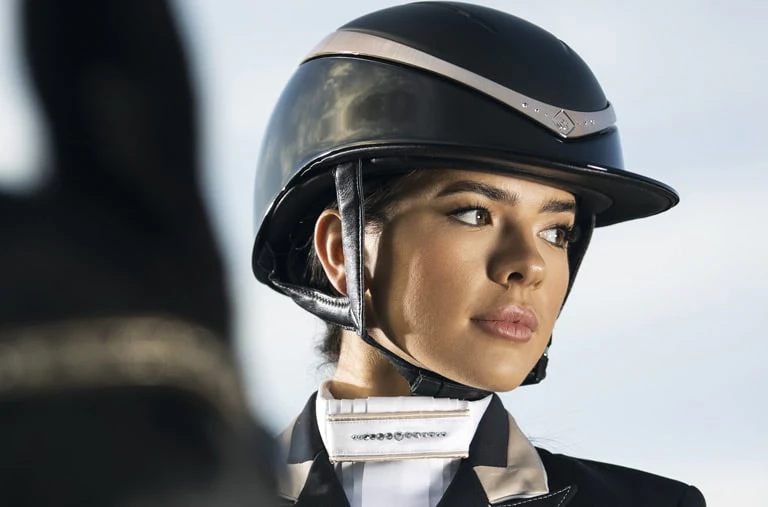
Packing Your Helmet for Different Types of Travel
How you pack your helmet depends on your mode of transportation. Here are some best practices for each scenario:
Traveling by Car
- Place your helmet in its bag or case and set it on a flat surface in the car, such as the back seat or trunk.
- Avoid stacking heavy items on top of the helmet to prevent accidental crushing.
- Keep the helmet away from direct sunlight and extreme heat, as high temperatures can degrade the materials over time.
Air Travel With a Riding Helmet
- Whenever possible, carry your helmet with you as hand luggage. Most airlines allow a helmet as a personal item or part of your carry-on allowance.
- Use a hard-shell case for maximum protection if you must check your helmet.
- Inform security staff that you are carrying a helmet, as it may require additional screening.
- Never pack your helmet in a soft suitcase or duffel bag without additional protection.
Public Transit and Shared Rides
- Keep your helmet bag close to you and avoid placing it on the floor where it could be kicked or stepped on.
- Use a backpack with a helmet compartment for hands-free convenience.
Cleaning and Preparing Your Helmet Before Travel
Before packing, take a moment to clean your helmet. Remove any dirt, sweat, or debris with a soft cloth and mild soap. Allow it to dry completely before placing it in its bag or case. This prevents the growth of bacteria and mold, which can damage the helmet’s lining and cause unpleasant odors.
For more insights into helmet materials and their benefits, especially for frequent travelers, see the article on the benefits of carbon fiber riding helmets.
Storing Your Helmet During Travel
Proper storage is crucial for maintaining your helmet’s shape and protective qualities. Here are some tips for safe storage while on the go:
- Always use a helmet bag or case, even for short trips.
- Store the helmet in a cool, dry place away from direct sunlight and sources of heat.
- If you need to leave your helmet in a vehicle, cover it with a light cloth to shield it from sunlight and avoid leaving it for extended periods.
- Do not hang your helmet by its chin strap, as this can distort the fit over time.
Tips for Keeping Your Helmet Safe and Clean
- Label your helmet bag with your name and contact information in case it gets misplaced during travel.
- Carry a small microfiber cloth to wipe away dust or sweat after each use.
- Inspect your helmet for cracks, dents, or loose padding after every journey.
- Replace your helmet if it has been dropped, involved in a fall, or shows any signs of damage.
Understanding the safety differences in equestrian disciplines can also help you choose the right helmet and transport method for your specific riding activities.
Common Mistakes to Avoid When Traveling With a Riding Helmet
- Packing your helmet loose in a suitcase: This exposes it to crushing and impact damage.
- Leaving your helmet in a hot car: Heat can warp the shell and degrade the foam liner.
- Using plastic bags for storage: These trap moisture and can lead to mold growth.
- Ignoring visible damage: Even small cracks or dents mean your helmet should be replaced.
FAQ
Can I bring my equestrian helmet as a carry-on when flying?
Yes, most airlines allow you to bring your helmet as part of your carry-on or personal item allowance. It’s best to check with your airline in advance and use a padded or hard-shell case for protection.
How do I know if my helmet is still safe after traveling?
Inspect your helmet for any visible cracks, dents, or loose padding after each trip. If you notice any damage, replace the helmet immediately. For additional guidance, review resources on why equestrian helmets cover the back of the head and impact zones.
What is the best way to clean my helmet before packing?
Use a soft cloth and mild soap to wipe down the exterior and interior lining. Allow the helmet to dry completely before placing it in its bag or case to prevent mold and odors.
Should I use a hard or soft case for my helmet?
For air travel or situations where your helmet may be stacked or crushed, a hard-shell case offers the best protection. For everyday car trips or short journeys, a padded soft bag is usually sufficient.
By following these practical steps for how to travel with an equestrian helmet, you can ensure your helmet remains in top condition and continues to provide the protection you need. Safe travels and happy riding!