


For riders and horse owners passionate about dressage, understanding the distinction between daily schooling and the competitive arena is essential. While both aspects share the goal of developing a harmonious partnership and precise movements, the approach, mindset, and expectations can differ significantly. This article explores the nuances of dressage training vs dressage showing, highlighting what sets them apart and how to navigate both for the benefit of horse and rider.
Whether you are just starting out or looking to refine your skills, knowing how to balance preparation at home with performance under pressure is key. Along the way, attention to safety equipment is also crucial; for example, learning how to find the right riding helmet for your head shape ensures both comfort and protection during every ride.
Understanding the Purpose of Dressage Schooling
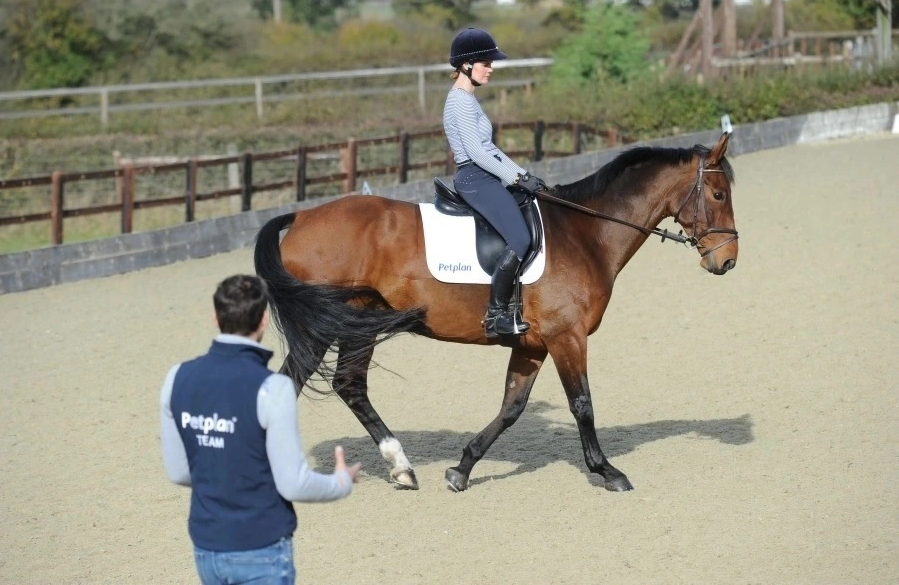
The foundation of dressage lies in its daily practice. Training sessions at home are designed to build a horse’s strength, flexibility, and responsiveness. Here, the focus is on gradual improvement, patience, and consistency. Riders work on basics such as rhythm, suppleness, and connection, often repeating exercises to reinforce correct responses and develop muscle memory.
During these sessions, mistakes are not only expected but welcomed as learning opportunities. The environment is controlled, with minimal distractions, allowing both horse and rider to concentrate on technique and communication. This is the time to address weaknesses, experiment with new exercises, and build confidence without the pressure of an audience or judges.
Many equestrians supplement their knowledge by referencing resources like step-by-step guides to basic dressage, which can provide structured routines and troubleshooting tips for common challenges.
Transitioning from Practice to Performance
When it comes to the show ring, the atmosphere changes dramatically. The purpose shifts from learning and development to demonstrating progress and precision. Riders must perform set tests, often in unfamiliar environments, under the scrutiny of judges and spectators. The emphasis is on accuracy, presentation, and composure.
Unlike training at home, there is little room for correction during a test. Each movement is scored, and the overall impression matters. Horses may react differently to the energy of the venue, new sights and sounds, or the rider’s nerves. Preparation for showing, therefore, involves not just perfecting movements but also simulating show conditions—practicing in different locations, exposing the horse to distractions, and rehearsing full tests without interruption.
Key Differences Between Dressage Practice and Competition
To better understand the contrast between schooling and showing, consider these core differences:
- Environment: Training is typically done in a familiar arena, while competitions introduce new venues, surfaces, and distractions.
- Mindset: At home, the focus is on progress, not perfection. In the ring, the goal is to showcase the best possible performance in a single attempt.
- Feedback: Schooling allows for immediate correction and repetition. In competition, feedback comes after the test, often in the form of scores and judge’s comments.
- Pressure: The show environment can add stress for both horse and rider. Managing nerves and maintaining focus are crucial skills for success.
- Attire and Equipment: While daily rides may use comfortable or training-specific gear, shows require formal dress and tack that meet strict regulations.
Preparing for Success in Both Arenas
Balancing both aspects of dressage requires thoughtful preparation. Here are some strategies to help riders and horses thrive in training and competition:
- Simulate Show Conditions: Occasionally ride in full show attire and tack at home. Practice entire tests without stopping, and invite friends to watch to mimic the presence of an audience.
- Focus on Fundamentals: Strong basics make advanced movements easier and more reliable, even under pressure.
- Build Confidence: Gradually introduce new environments and challenges to reduce anxiety on show day.
- Analyze Judge’s Comments: Use feedback from competitions to guide future training sessions.
- Prioritize Horse Welfare: Ensure your horse is comfortable, fit, and well-cared for, both at home and at shows. Products like hoof balm can help maintain hoof health, especially when traveling or competing on different surfaces.
Common Challenges and How to Overcome Them
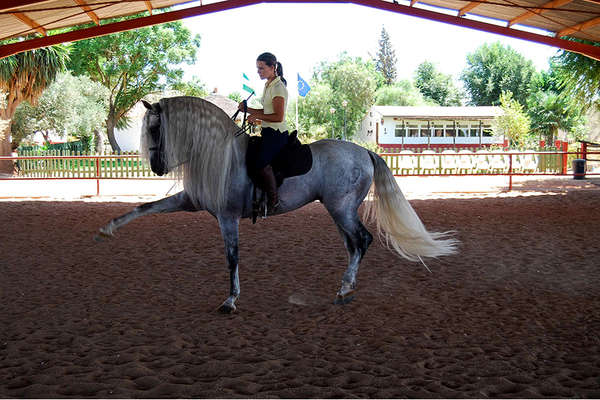
Many riders find the leap from schooling to competition daunting. Horses may become tense, inattentive, or resistant in new settings. Riders, too, can struggle with nerves or disappointment if results don’t reflect their hard work at home. Here are some practical tips for overcoming these hurdles:
- Practice Mindfulness: Techniques such as deep breathing and visualization can help manage anxiety and improve focus.
- Set Realistic Goals: Instead of aiming for a perfect score, focus on incremental improvements—such as a more relaxed halt or straighter centerline.
- Debrief After Each Ride: Take time to reflect on what went well and what could be improved, both in training and after a show.
- Seek Support: Work with a knowledgeable coach or mentor who can provide objective feedback and encouragement.
Remember, every rider and horse combination is unique. Progress may be gradual, and setbacks are part of the journey. Consistent, thoughtful practice at home lays the groundwork for confident, polished performances in the ring.
Integrating Safety and Equipment into Your Routine
Regardless of whether you are schooling or competing, safety should always be a priority. A well-fitting helmet is a must for every ride. Riders can benefit from learning about the impact of age on helmet protective foam and how to choose the right helmet for different disciplines, including eventing and dressage.
Proper tack, including a saddle designed for dressage, can enhance both comfort and performance. Regularly check all equipment for wear and fit, and consider using protective products for your horse’s hooves and skin, especially during periods of increased activity or travel.
Frequently Asked Questions
What is the main difference between dressage schooling and showing?
The primary distinction lies in the purpose and environment. Schooling focuses on learning, improvement, and correcting mistakes in a familiar setting, while showing is about demonstrating those skills in a competitive, often unfamiliar environment where each movement is judged and scored.
How can I help my horse adjust to the show atmosphere?
Gradually expose your horse to new environments, practice full tests in different arenas, and simulate show-day routines at home. This helps reduce anxiety and builds confidence for both horse and rider.
Why do my scores at shows sometimes not reflect my training at home?
Many factors can influence show performance, including nerves, distractions, and the horse’s reaction to the new setting. It’s common for results to differ from home practice. Focus on consistent preparation and use judge’s feedback to guide future training.
Conclusion
Understanding the relationship between daily schooling and the demands of the show ring is vital for anyone pursuing dressage. By recognizing the unique challenges and opportunities of each, riders can set realistic goals, prepare effectively, and enjoy a rewarding journey with their equine partners. With the right mindset, equipment, and support, both training and competition become valuable steps toward mastery and mutual trust.