

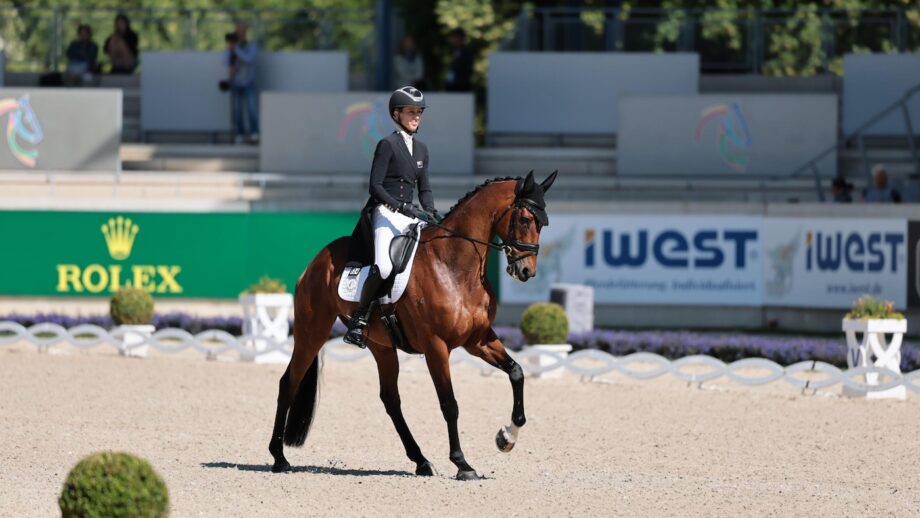
Achieving self-carriage in dressage training is a fundamental goal for riders and trainers aiming to develop a balanced, responsive, and harmonious partnership with their horses. This concept refers to a horse’s ability to maintain its own balance, rhythm, and posture without relying on constant support from the rider’s hands or legs. When a horse moves in self-carriage, it demonstrates engagement, lightness, and willingness, which are essential for higher-level dressage movements and overall equine well-being.
Understanding how to cultivate this quality requires patience, precise communication, and a deep awareness of both horse and rider biomechanics. Before diving into the principles and exercises that foster independent balance, it’s helpful to explore the broader context of equestrian safety and equipment. For instance, selecting the right gear—such as helmets—can impact both rider confidence and effectiveness. If you’re interested in learning more about protective headgear, check out this guide on how to choose a helmet for eventing.
What Is Self-Carriage and Why Does It Matter?
In the context of dressage, self-carriage describes a horse that moves forward with energy, maintains its own balance, and carries itself with minimal interference from the rider. This state is not only visually appealing but also crucial for the horse’s long-term soundness and mental relaxation. Horses that lack self-carriage often lean on the bit, rush, or become heavy in the rider’s hands, leading to tension and compromised movement quality.
Developing independent balance allows the horse to perform advanced movements—such as lateral work, extensions, and collected gaits—with ease and fluidity. It also reflects a high degree of training, trust, and communication between horse and rider.
Key Principles for Fostering Independent Balance
Building self-carriage is a gradual process that requires attention to several foundational principles:
- Rhythm and Relaxation: Consistent tempo and a supple body lay the groundwork for balance.
- Engagement of the Hindquarters: Encouraging the horse to step under with its hind legs provides the power and lift needed for self-support.
- Lightness to the Aids: The horse should respond promptly to subtle cues, rather than relying on strong or continuous pressure.
- Connection and Contact: A steady, elastic rein contact supports communication without restricting movement.
- Rider Position and Core Stability: The rider’s own balance and posture directly influence the horse’s ability to carry itself.
Exercises to Encourage Self-Carriage in Dressage Horses
There are several practical exercises that help horses develop the strength and understanding needed for self-support. Incorporating these into regular training sessions can yield noticeable improvements over time.
Transitions Within and Between Gaits
Practicing frequent transitions—both within the same gait (such as collected to medium trot) and between different gaits—teaches the horse to rebalance and shift weight to the hindquarters. Focus on smooth, prompt responses and avoid using excessive rein pressure to slow down or speed up.
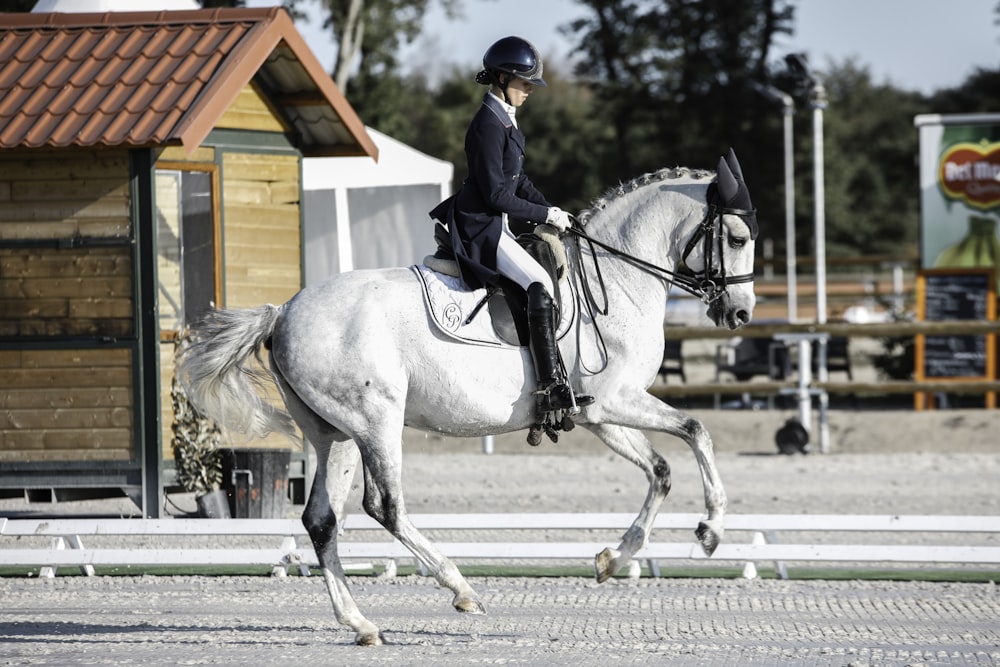
Lateral Movements and Circles
Incorporating lateral work—such as shoulder-in, leg yield, and travers—encourages suppleness and engagement. Riding accurate circles and serpentines further challenges the horse to maintain balance without falling in or out through the shoulders.
Release and Reward
One of the most effective ways to teach self-carriage is through timely release. After asking for engagement or a particular movement, soften your aids and allow the horse to carry itself. If the horse maintains balance and rhythm, reward with praise or a light rein. If it loses balance, quietly re-establish the connection and try again.
Common Challenges and How to Overcome Them
Many riders encounter obstacles when working toward independent balance. Some of the most frequent issues include:
- Leaning on the Bit: If the horse becomes heavy in the hand, revisit transitions and focus on upward engagement from the hindquarters.
- Loss of Rhythm: Tension or rushing often signals a need to slow down and re-establish relaxation before asking for more collection.
- Rider Overuse of Aids: It’s tempting to hold or push the horse into position, but this undermines true self-support. Practice using lighter cues and rewarding effort.
For further insights into developing balance and symmetry in both horse and rider, consider reading this in-depth article on balance and symmetry in dressage.

Tips for Riders: Improving Your Own Balance
The rider’s position is a key factor in helping the horse achieve self-support. Here are some practical suggestions:
- Focus on core strength and stability through off-horse exercises such as Pilates or yoga.
- Maintain an upright, aligned posture in the saddle, with relaxed shoulders and a soft, following seat.
- Keep hands quiet and elastic, allowing the horse to seek the bit without restriction.
- Practice independent seat and leg aids to avoid unintentional signals that could disrupt the horse’s balance.
Addressing equipment fit and safety can also enhance rider confidence and effectiveness. For example, understanding common equestrian helmet fitting mistakes can help prevent discomfort and distraction during training.
Progression and Patience in Developing Self-Support
Building self-carriage is a journey that unfolds over weeks, months, or even years. Progress may be gradual, and setbacks are normal. Celebrate small improvements, and remember that consistency is more important than perfection. Regularly revisit basic exercises, and don’t hesitate to seek guidance from experienced trainers or clinicians.
Frequently Asked Questions
How can I tell if my horse is truly carrying itself?
Signs of genuine self-support include a light, steady contact; active engagement of the hindquarters; an elevated, relaxed topline; and a rhythmic, forward movement. The horse should feel responsive yet independent, without leaning on the bit or requiring constant correction.
What are some common mistakes when training for independent balance?
Common pitfalls include using too much rein pressure, neglecting the importance of rhythm and relaxation, and failing to reward the horse for moments of self-support. Overfocusing on head position rather than overall posture can also hinder progress.
How often should I practice these exercises?
Incorporate exercises for self-support into every schooling session, but keep them varied and brief to avoid fatigue or frustration. Consistency, rather than intensity, is key to long-term improvement.
Does equipment affect my horse’s ability to carry itself?
Yes, poorly fitting tack can restrict movement and cause discomfort, making it harder for the horse to achieve balance. Ensure saddles, bridles, and other gear fit properly and are checked regularly.
Conclusion
Developing self-carriage in your dressage horse is a rewarding process that enhances performance, partnership, and well-being. By focusing on foundational principles, practicing targeted exercises, and maintaining patience, riders can help their horses achieve greater balance and lightness. For those interested in further refining their approach, exploring topics like how to evaluate helmet weight for neck comfort can provide additional insights into optimizing both horse and rider comfort in training.