

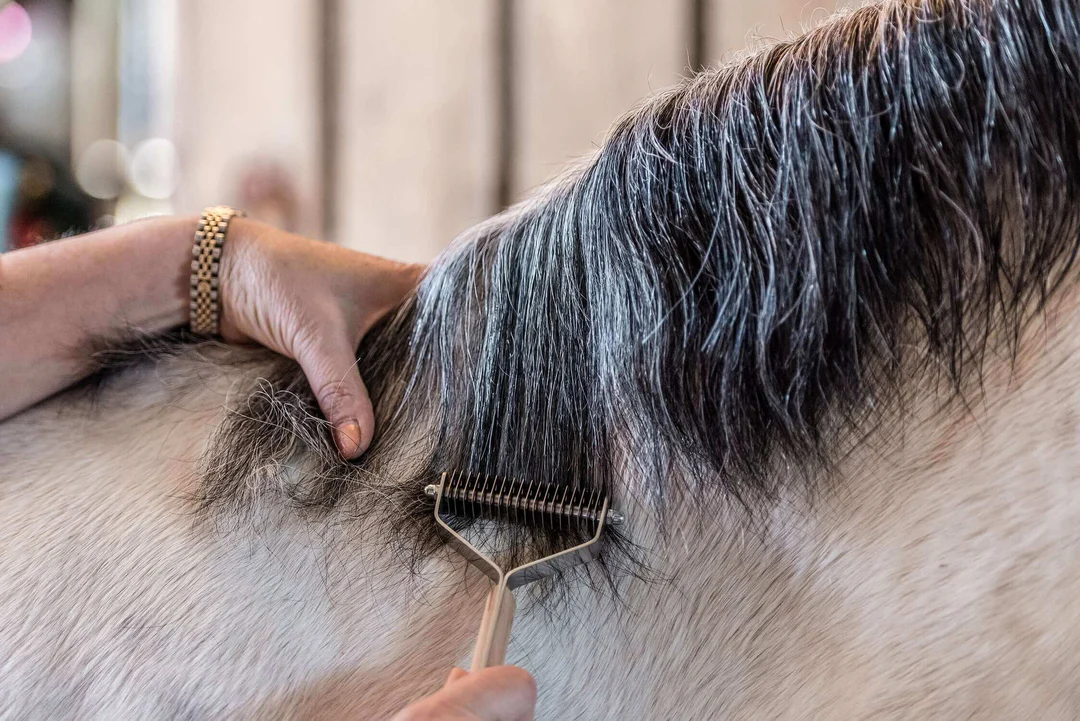
Introducing horse grooming young horses to a regular care routine is one of the most important steps in raising confident, healthy equines. Early grooming not only keeps a young horse’s coat and skin in top condition, but also builds trust, teaches patience, and lays the groundwork for safe handling throughout their life. Whether you’re preparing a foal for its first brush or helping a yearling get used to new sensations, understanding the right techniques and tools is essential.
This guide covers the essentials of caring for young horses, from the first gentle touch to establishing positive habits that last. Along the way, you’ll find practical tips, recommended gear, and advice on making grooming a stress-free experience for both you and your horse. For those looking to further enhance their equestrian knowledge, learning about how to choose a helmet for eventing is another valuable aspect of horse care and safety.
Why Early Grooming Matters for Foals and Yearlings
Starting a grooming routine for young horses is about much more than keeping them clean. Early handling helps foals and yearlings become accustomed to human touch, reduces fear, and prevents behavioral issues later on. The process also allows you to monitor their health, spot injuries or skin conditions early, and develop a bond of trust.
- Desensitization: Regular brushing and touching help young horses accept new experiences calmly.
- Health Monitoring: Grooming sessions are the perfect time to check for cuts, swelling, or parasites.
- Relationship Building: Gentle, consistent care fosters positive associations with people.
Essential Tools for Grooming Young Horses
Choosing the right tools is crucial when working with foals and yearlings. Their skin is more sensitive than adults, so always opt for soft brushes and gentle equipment. Here’s what you’ll need to get started:
- Soft body brush: Ideal for sensitive skin and first-time grooming.
- Rubber curry comb: Use with a light touch to loosen dirt and stimulate circulation.
- Small hoof pick: For cleaning hooves, but only after the youngster is comfortable with leg handling.
- Gentle mane and tail comb: Avoid pulling; use fingers or a wide-tooth comb for tangles.
- Clean, soft cloth: Useful for wiping faces and delicate areas.
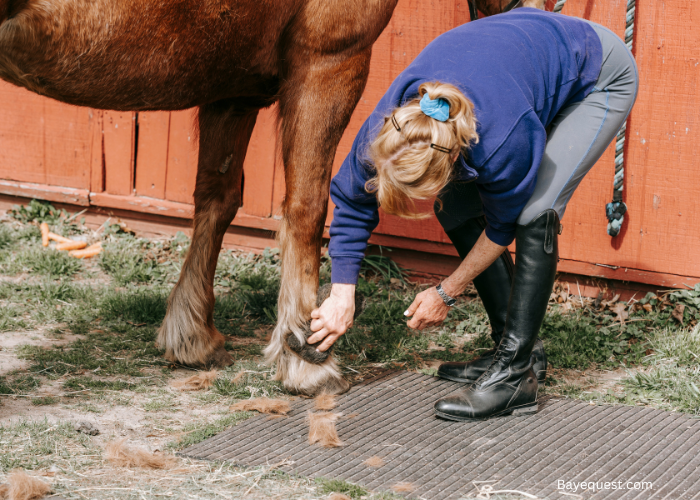
Step-by-Step Approach to Handling and Brushing
When introducing horse grooming young horses to a new foal or yearling, patience is key. Start slow and keep sessions short—five to ten minutes is plenty at first. Here’s a basic sequence:
- Start with Touch: Begin by gently stroking the neck and shoulder with your hand. Let the horse sniff the brush before using it.
- Introduce the Brush: Use a soft brush in broad, gentle strokes. Watch for signs of discomfort and pause if the horse becomes nervous.
- Work in Familiar Areas: Focus on the neck, shoulder, and back. Gradually expand to the legs and belly as the horse gains confidence.
- Handle Legs and Hooves: Once the horse is comfortable, gently run your hand down each leg. Practice picking up feet, but don’t rush this step.
- End on a Positive Note: Always finish before the horse loses patience. A calm, relaxed ending helps reinforce good behavior.
If you’re looking for a detailed overview of grooming for all ages, this step-by-step guide for equestrian care provides additional tips and best practices.
Building Trust Through Consistent Care
Consistency is the foundation of successful grooming routines for young horses. Set aside time each day for handling and brushing, even if it’s just a few minutes. Use a calm voice, reward good behavior with gentle praise, and avoid sudden movements.
Over time, your horse will begin to associate grooming with positive experiences. This not only makes future handling easier, but also prepares them for more advanced training, veterinary care, and farrier visits.

Common Challenges and Solutions in Young Horse Grooming
Young horses may be wary of new sensations or objects. Here are some frequent challenges and practical solutions:
- Fear of Brushes: Let the horse sniff and inspect each tool before use. Start with your hand, then introduce the brush slowly.
- Fidgeting or Moving Away: Keep sessions short and positive. Use a calm, steady voice and reward stillness.
- Leg Handling Issues: Practice running your hand down the leg before attempting to pick up the hoof. If the horse resists, pause and try again later.
- Overexcitement: If a young horse becomes too playful, wait for a calmer moment or try after exercise when they’re more relaxed.
Safety Tips for Grooming Young Horses
Safety should always come first when handling foals and yearlings. Here are some essential guidelines:
- Stay Alert: Young horses can be unpredictable. Always watch their body language.
- Avoid Tight Spaces: Work in open areas where you can move away if needed.
- Wear Proper Gear: Consider wearing gloves and sturdy boots. For additional safety, review tips on common equestrian helmet fitting mistakes to ensure your own protection.
- Never Rush: Take your time and stop if the horse becomes stressed or fearful.
Maintaining a Healthy Coat and Skin in Young Horses
Regular grooming not only keeps your horse looking good, but also supports skin health and circulation. Use gentle strokes to remove dirt and loose hair, and check for signs of irritation or parasites. Pay special attention to the mane, tail, and underbelly, where debris can accumulate.
If you notice persistent skin issues or hair loss, consult a veterinarian. Early intervention prevents minor problems from becoming serious health concerns.
Frequently Asked Questions
How often should I groom a young horse?
It’s best to handle and brush foals and yearlings daily, even if sessions are brief. Consistent, gentle grooming helps them become comfortable with touch and builds positive habits for the future.
What should I do if my young horse is afraid of grooming tools?
Allow the horse to sniff and explore each tool before using it. Start with your hands and progress to soft brushes, always moving at the horse’s pace. Patience and repetition are key to overcoming fear.
When can I start picking up my foal’s feet?
Begin by running your hand down the leg during grooming sessions. Once the foal is relaxed with this, gently lift the hoof for a few seconds. Gradually increase the time as the horse becomes more comfortable.
What are the signs of skin problems I should look for?
Watch for redness, swelling, bald patches, scabs, or excessive itching. Early detection allows for prompt treatment and prevents more serious issues.
Conclusion
Establishing a gentle, consistent grooming routine for young horses is a vital part of their development. By using the right tools, practicing patience, and focusing on positive experiences, you’ll help your foal or yearling grow into a well-mannered, healthy adult. Remember, every interaction is an opportunity to build trust and set the stage for a lifetime of safe, enjoyable handling.
For more in-depth advice on grooming techniques, you can explore this comprehensive beginner’s guide to horse grooming. With the right approach, grooming becomes not just a chore, but a rewarding part of your relationship with your horse.