

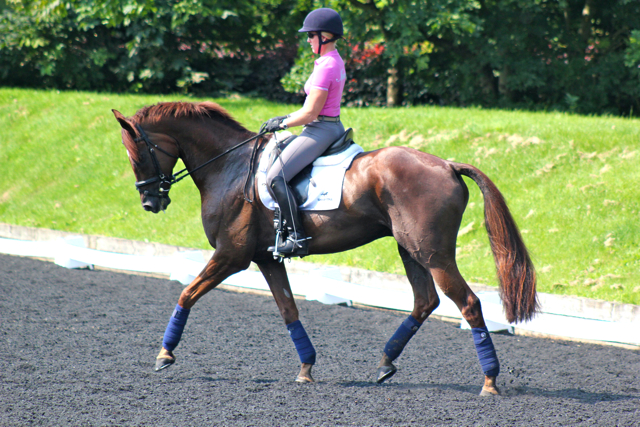
Achieving energetic, consistent forward motion is a cornerstone of successful dressage training. Riders and trainers often seek ways to encourage their horses to move with more purpose, engagement, and elasticity. Whether you are a beginner or refining advanced skills, understanding the mechanics and techniques for improving forward movement in dressage can transform both performance and partnership with your horse.
Forward movement is not just about speed—it’s about impulsion, willingness, and the horse’s ability to carry itself actively from behind. This guide explores practical strategies, common challenges, and training exercises to help you develop a more dynamic and responsive ride. For those interested in broader equestrian safety, our article on how to choose a helmet for eventing offers valuable tips for all three phases.
Understanding the Importance of Forward Energy
In the context of dressage, forward energy refers to the horse’s willingness to step actively under itself, propelling its movement from the hindquarters. This quality is essential for achieving balance, rhythm, and the ability to perform more advanced movements. Without true forwardness, horses may appear sluggish, resistant, or heavy on the forehand, making it difficult to progress in training.
Riders should recognize that forwardness is not about rushing. Instead, it is about creating a sense of purpose and engagement in every stride. When a horse moves with genuine impulsion, it becomes more responsive to aids, lighter in the hand, and better able to maintain self-carriage.
Common Obstacles to Achieving Forwardness
Many riders encounter challenges when trying to develop a more energetic gait. Some common issues include:
- Lack of clarity in the rider’s aids: If the horse receives inconsistent or unclear signals, it may become confused or dull to the leg.
- Physical discomfort or poor saddle fit: Discomfort can cause resistance or reluctance to move forward. Ensuring proper tack and regular health checks is vital.
- Insufficient rider balance: A rider who is unbalanced or gripping with the seat or hands can inadvertently block the horse’s movement.
- Repetitive or monotonous routines: Horses, like people, can lose enthusiasm if training lacks variety and positive reinforcement.
Effective Techniques for Encouraging Forward Motion
Developing a horse’s willingness to move forward requires patience and a systematic approach. Here are several proven strategies:
1. Clear and Consistent Leg Aids
Begin by ensuring your leg aids are precise and consistent. Apply a gentle squeeze with your calf to ask for movement. If there is no response, follow up with a quick, light tap from the whip behind your leg. The goal is for the horse to react promptly to the lightest aid, not to become reliant on the whip.
2. Rewarding Responsiveness
Immediate positive reinforcement helps the horse understand what is expected. When your horse responds correctly, reward with a softening of the rein, a gentle voice, or a brief walk break. This builds confidence and encourages repeated effort.
3. Varying Exercises and Transitions
Incorporate frequent transitions between gaits and within gaits (such as collected to medium trot) to keep your horse attentive. Lateral movements, circles, and changes of direction also help maintain engagement and prevent boredom.
Building Forwardness Through Rider Position and Balance
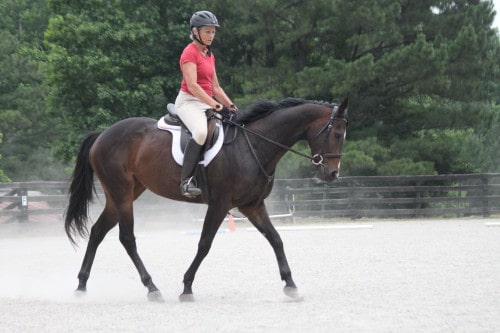
The rider’s position plays a critical role in facilitating forward energy. Sit tall with a supple lower back, allowing your hips to follow the horse’s motion. Avoid gripping with the knees or thighs, as this can restrict the horse’s back and block impulsion.
Maintain a steady, elastic contact with the reins, supporting the horse without pulling. The connection between inside leg and outside rein is fundamental for channeling energy forward and maintaining straightness. For more on this concept, you can explore resources like this beginner’s guide to dressage riding.
Exercises to Develop Impulsion and Willingness
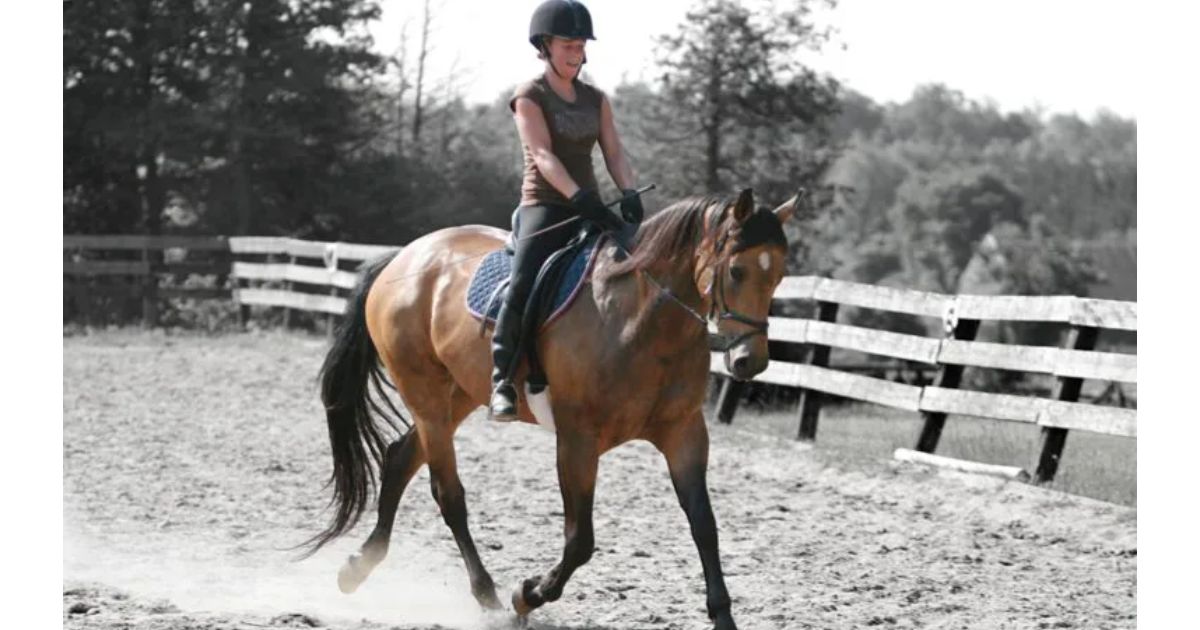
Regularly practicing specific exercises can help both horse and rider cultivate better forward movement. Consider adding the following to your routine:
- Transitions within and between gaits: Practice moving from walk to trot, trot to canter, and back, focusing on prompt, energetic responses.
- Lengthening and shortening strides: Within the trot or canter, ask for a few longer strides, then return to a more collected pace. This develops adjustability and engagement.
- Pole work: Riding over ground poles encourages the horse to lift its legs and engage the hindquarters.
- Serpentines and circles: Changing direction and bend keeps the horse attentive and encourages suppleness.
Addressing Common Mistakes in Forward Movement Training
Even experienced riders can fall into habits that hinder progress. Some frequent mistakes include:
- Overusing the leg, causing the horse to become dull or unresponsive.
- Holding too tightly with the reins, which can block forward energy.
- Failing to reward the horse for correct responses, leading to confusion or frustration.
- Neglecting to vary the training routine, resulting in loss of motivation.
Addressing these issues requires self-awareness and a willingness to adapt your approach. Video analysis, lessons with a qualified instructor, and regular feedback can all contribute to steady improvement.
Maintaining Progress and Motivation
Consistency is key when working on forwardness. Set realistic goals, track your progress, and celebrate small victories along the way. Remember that every horse is unique—some may require more time and encouragement than others. Stay patient, and always prioritize your horse’s comfort and well-being.
For those interested in other aspects of equestrian safety and performance, you may also find value in our resources on how to evaluate helmet weight for neck comfort and common equestrian helmet fitting mistakes.
Frequently Asked Questions
What does “forward” mean in dressage?
In dressage, “forward” refers to a horse moving willingly and energetically from the hindquarters, responding promptly to the rider’s aids without rushing. It is about quality of movement, not just speed.
How can I tell if my horse is truly moving forward?
Signs of genuine forwardness include a swinging back, active hind legs, light contact in the bridle, and a horse that feels eager and attentive. The horse should maintain rhythm and balance, with energy flowing from back to front.
What should I do if my horse ignores my leg aids?
If your horse is slow to respond, ensure your aids are clear and consistent. Apply a gentle leg, and if there is no response, follow up with a quick tap from the whip. Always reward the correct reaction, and avoid nagging with constant pressure.
Are there specific exercises to help with impulsion?
Yes, transitions, lengthening and shortening strides, pole work, and lateral movements are all effective for building impulsion and willingness to move forward.
How often should I work on forward movement?
Forwardness should be a focus in every ride, but especially during warm-up and transitions. Regular, varied practice helps maintain your horse’s responsiveness and enthusiasm.