


Navigating the world of dressage tack can be overwhelming, especially when it comes to understanding the different bridles available. The right bridle not only enhances your horse’s comfort but also plays a crucial role in communication and performance in the dressage arena. This article offers a thorough look at the main types of dressage bridles, their features, and how to select the best option for your horse and discipline level.
Whether you are new to dressage or looking to refine your tack choices, a solid grasp of the various bridle designs will help you make informed decisions. For those interested in overall rider safety and equipment, you might also find value in reading about how to choose a helmet for eventing to complement your knowledge of dressage gear.
Understanding the Basics: What Makes a Dressage Bridle Unique?
Dressage bridles are designed with both function and tradition in mind. They are typically made from high-quality leather and feature clean lines, minimal embellishments, and a focus on comfort for the horse. The primary purpose is to facilitate clear, subtle communication between rider and horse, supporting the precision required in dressage movements.
Unlike bridles used in other disciplines, dressage models often have a wider noseband and browband, and may include padding for added comfort. The choice of bridle can affect your horse’s way of going, so understanding the different types is essential.
Key Dressage Bridle Styles and Their Features
Traditional Cavesson Bridle
The cavesson bridle is the most common style seen in dressage competitions. It features a plain noseband that encircles the horse’s nose and is fastened below the cheekbones. This style is favored for its classic appearance and versatility.
- Plain cavesson: No flash or drop attachment; ideal for horses that do not open their mouths excessively.
- Padded cavesson: Offers extra comfort, reducing the risk of rubbing or pinching.
Flash Noseband Bridle
A flash bridle is essentially a cavesson with an additional, thinner strap (the flash) that fastens below the bit. This helps keep the horse’s mouth closed and prevents evasion of the bit, making it a popular choice for horses who tend to open their mouths or cross their jaws.
- Supports better bit control for sensitive or strong horses.
- Must be fitted carefully to avoid discomfort or breathing restriction.
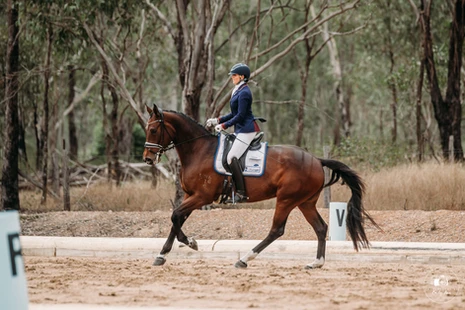
Anatomic and Comfort Bridles
Recent innovations have led to the development of anatomic bridles, designed to relieve pressure on sensitive areas of the horse’s head. These bridles often feature curved or padded headpieces, contoured nosebands, and ergonomic browbands.
- Improved comfort and freedom of movement for the horse.
- May help horses who are sensitive or resistant to traditional bridle designs.
Drop Noseband Bridle
The drop noseband sits lower on the horse’s nose than a cavesson or flash. It is designed to keep the mouth closed and prevent bit evasion, but must be fitted with care to avoid interfering with the horse’s breathing.
- Less commonly seen at higher levels, but useful for young or green horses.
- Not compatible with double bridles or certain bits.
Double Bridle (Weymouth)
At higher levels of dressage, riders may use a double bridle, which accommodates two bits (a bradoon and a curb) and two sets of reins. This setup allows for more refined communication but requires skilled hands and is only permitted in advanced classes.
- Provides nuanced control for experienced riders.
- Should only be used when horse and rider are ready for the complexity.

Choosing the Right Bridle for Your Horse
Selecting the ideal bridle depends on your horse’s anatomy, training level, and individual preferences. Here are some factors to consider:
- Comfort: Look for padded and ergonomic designs if your horse is sensitive or prone to rubbing.
- Discipline level: Lower levels typically use a snaffle bridle, while advanced riders may opt for a double bridle.
- Bit compatibility: Ensure the bridle fits the bit(s) you intend to use and complies with competition rules.
- Fit and adjustability: A well-fitted bridle should not pinch, rub, or restrict the horse’s breathing or movement.
For a deeper understanding of how equipment affects balance and performance, consider reading this guide to developing balance and symmetry in horse and rider.
Care and Maintenance of Dressage Bridles
Proper care extends the life of your bridle and ensures your horse’s comfort. Clean leather regularly with a damp cloth to remove sweat and dirt, then condition with a suitable leather balm. Check all stitching and buckles for wear and replace any damaged parts promptly.
If you’re looking for products to support your tack care routine, consider using a specialized balm to maintain leather suppleness and durability.
Frequently Asked Questions
What is the difference between a snaffle and a double bridle?
A snaffle bridle uses a single bit and is standard for lower-level dressage. A double bridle, used at advanced levels, holds two bits (bradoon and curb) and allows for more refined communication but requires experience to use correctly.
How should a dressage bridle fit my horse?
The bridle should sit comfortably without pinching or rubbing. The noseband should be snug but not tight, allowing two fingers underneath. The browband should not pull the bridle forward or pinch the ears.
Are anatomical bridles legal in competition?
Most anatomical bridles are legal in dressage competitions, provided they comply with governing body rules. Always check the latest regulations for your specific event or organization before competing.
Conclusion
Understanding the various options for dressage bridles empowers riders to make choices that benefit both horse and rider. From classic cavesson designs to modern anatomical models, each style offers unique advantages. Prioritize fit, comfort, and suitability for your discipline level to ensure the best experience in the arena. For more insights into equestrian equipment and safety, explore topics like common equestrian helmet fitting mistakes to further enhance your riding journey.