

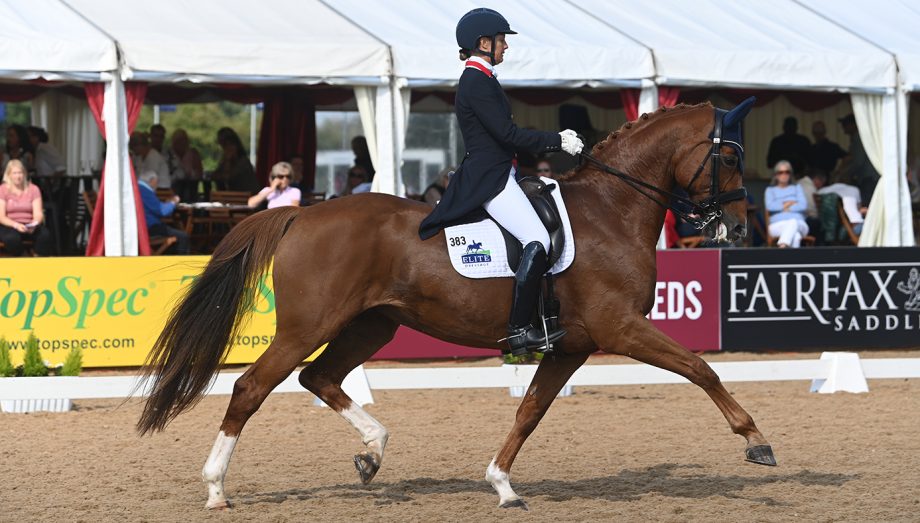
Deciding how to advance your skills in dressage often comes down to a key choice: working with a professional instructor or relying on your own initiative. Both approaches offer unique benefits and challenges, and the right path depends on your goals, experience, and resources. Whether you’re aiming for competition or personal growth, understanding the differences between dressage lessons vs self-training can help you make informed decisions for both you and your horse.
Riders new to the discipline often wonder whether structured guidance is essential, or if self-directed practice can yield similar results. While each method has its advocates, the best approach is often a blend, tailored to your circumstances. Before diving into the specifics, it’s also crucial to consider safety and equipment. For example, ensuring your helmet fits correctly is vital—see this guide on common equestrian helmet fitting mistakes for practical tips.
Understanding Professional Dressage Instruction
Working with a qualified instructor provides structure, accountability, and expert feedback. Lessons are typically tailored to your current level and goals, whether you’re a beginner learning the basics of balance and rhythm or an advanced rider refining collection and lateral movements. Instructors can identify subtle issues in your position or your horse’s way of going that might be difficult to spot on your own.
Regular sessions with a professional often accelerate progress. You benefit from their experience, established training methods, and ability to troubleshoot problems as they arise. Many instructors also help riders prepare for competitions, offering insights into test riding, arena etiquette, and mental preparation.
Advantages of Taking Lessons
- Immediate feedback on your riding and your horse’s performance
- Structured progression through training levels
- Access to proven exercises and techniques
- Motivation and accountability to stay consistent
- Guidance on safety, tack, and horse care
For those aiming to maximize their scores, expert advice can be invaluable. For example, learning how to improve balance, suppleness, and collection is crucial—see these top tips for maximizing dressage marks for more details.
Exploring Self-Directed Dressage Training
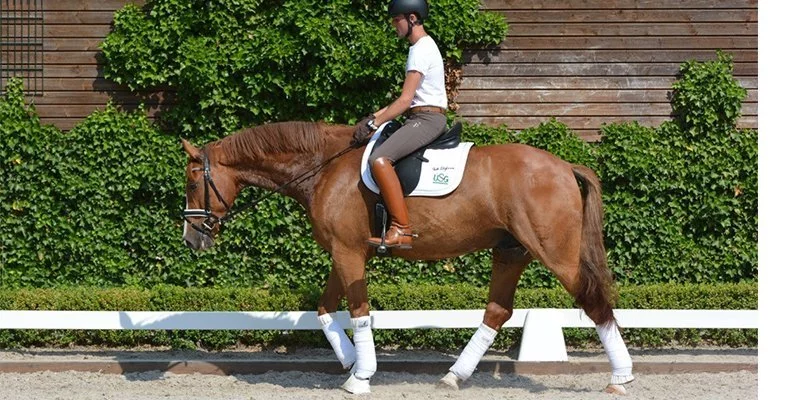
Many riders choose to train independently, especially if regular lessons are not accessible or affordable. Self-training allows for flexibility in scheduling and the freedom to experiment with different exercises. With the wealth of resources available—books, online videos, and training apps—motivated equestrians can make significant progress on their own.
However, self-directed practice requires discipline and a critical eye. Without external feedback, it’s easy to develop habits that may be hard to correct later. Riders must be proactive in seeking knowledge and honest in evaluating their own performance.
Benefits of Independent Practice
- Flexible schedule and pace
- Opportunity to experiment and adapt exercises
- Cost savings compared to regular lessons
- Development of self-reliance and problem-solving skills
- Ability to focus on specific goals or challenges
To make the most of self-training, riders often record their sessions for later review or seek occasional input from knowledgeable peers. This approach works best for those with a solid foundation and a clear understanding of dressage principles.
Comparing Progress: Lessons Versus Going Solo
When weighing dressage lessons vs self-training, it’s important to consider how each approach impacts progress. Lessons tend to produce faster, more consistent improvement, especially for beginners or those aiming to move up the levels. The structure and accountability provided by an instructor help prevent plateaus and address issues before they become ingrained.
In contrast, self-guided riders may progress at a variable pace. Some excel with independent study, while others struggle without regular feedback. Combining both methods—taking periodic lessons while practicing independently—can be especially effective. This hybrid approach allows riders to benefit from professional guidance while developing autonomy.
Potential Drawbacks to Consider
- Lessons: Can be expensive and require travel; progress may depend on instructor availability and teaching style.
- Self-training: Risk of reinforcing bad habits; lack of accountability; may miss subtle issues that hinder advancement.
Whichever route you choose, always prioritize safety and the well-being of your horse. Regularly check your equipment, such as helmets and saddles, and stay updated on best practices. For those interested in helmet safety, you might also find value in learning about how to check riding helmet expiration dates.
Making the Right Choice for Your Dressage Journey
The decision between professional instruction and independent practice is personal. Consider your learning style, goals, budget, and access to resources. Some riders thrive under regular guidance, while others enjoy the freedom of self-directed progress. Many find that a combination—occasional lessons supplemented by solo practice—offers the best of both worlds.
No matter your approach, staying curious and open to feedback is key. Dressage is a lifelong pursuit, and every rider’s path is unique. By understanding the strengths and limitations of both lessons and self-training, you can chart a course that keeps you and your horse progressing with confidence.
Frequently Asked Questions
How often should I take dressage lessons for steady progress?
For most riders, weekly sessions provide the best balance of feedback and practice time. However, even biweekly or monthly lessons can be effective if you supplement them with focused self-training between sessions.
Can I reach competition level through self-training alone?
Some dedicated riders do achieve competitive success independently, especially with access to quality resources and occasional expert input. However, regular lessons often accelerate progress and help avoid common pitfalls, especially at higher levels.
What are some tips for effective self-directed dressage practice?
Set clear goals for each session, record your rides for review, and periodically seek feedback from experienced riders or instructors. Stay informed by reading reputable sources and watching instructional videos, and always prioritize your horse’s well-being.