


Choosing a trustworthy helmet brand is a crucial step for anyone involved in equestrian activities. With so many options on the market, it can be challenging to distinguish between brands that prioritize safety and those that simply follow trends. Understanding how to recognize a safe riding helmet brand ensures you make informed decisions that protect your well-being every time you ride.
This guide breaks down the essential quality indicators, certification standards, and practical tips for evaluating helmet brands. By the end, you’ll have a clear framework for identifying reliable manufacturers and avoiding common pitfalls. For those seeking a tailored fit, you may also find it helpful to explore how to find the right riding helmet for your head shape to complement your brand research.
Key Features of a Trustworthy Helmet Manufacturer
When assessing brands, look for a commitment to safety, transparency, and continuous improvement. Reputable companies often highlight their research and development processes, invest in advanced materials, and provide clear information about their products’ protective capabilities. Here are some hallmarks of a reliable helmet brand:
- Compliance with international safety standards and certifications
- Use of high-quality, impact-absorbing materials
- Transparent manufacturing and testing processes
- Consistent positive reviews from riders and industry experts
- Clear warranty and replacement policies
Brands that openly share their safety test results and manufacturing details are generally more trustworthy. Avoid companies that lack transparency or provide vague information about their helmets’ protective features.
Understanding Safety Certifications and Standards
One of the most reliable ways to identify a safe helmet brand is by checking for recognized certifications. These standards ensure helmets have undergone rigorous testing for impact resistance, retention system strength, and penetration protection. Some of the most respected certifications include:
- ASTM/SEI (American Society for Testing and Materials/Safety Equipment Institute)
- VG1 (European Standard)
- BSI Kitemark (British Standards Institution)
- PAS015 (British Equestrian Standard)
Look for certification labels inside the helmet or on the packaging. Brands that consistently meet or exceed these standards demonstrate a genuine commitment to rider safety. For a deeper understanding of how standards differ internationally, you can read about the difference between UK and US riding standards.
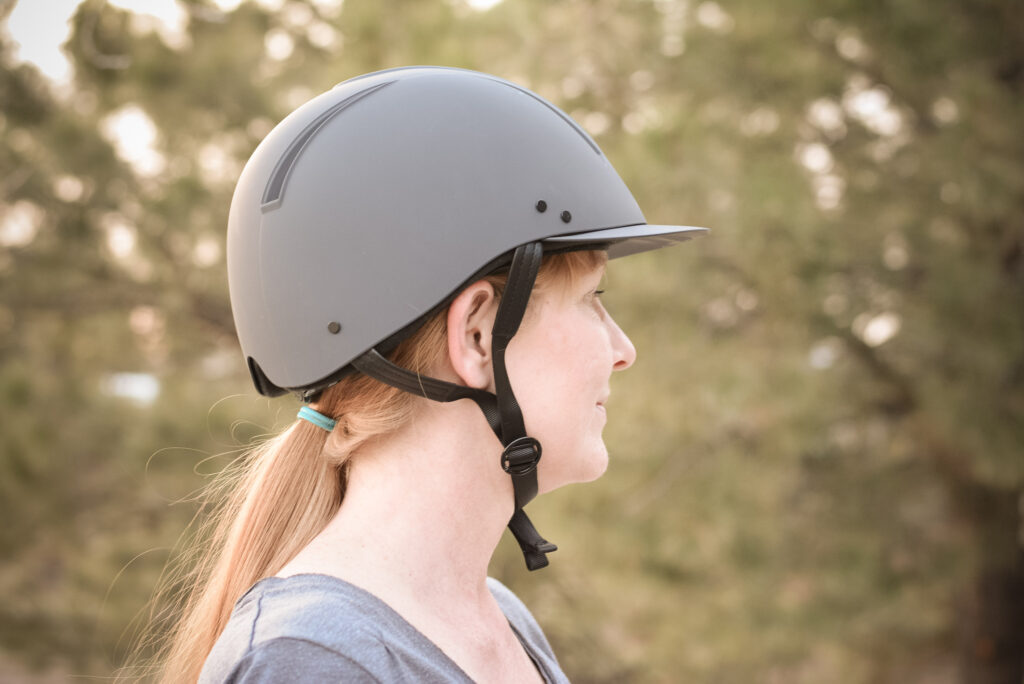
Materials and Construction: What Sets Quality Brands Apart
The materials used in a helmet play a significant role in its protective performance. Leading brands invest in advanced technologies and high-grade materials such as:
- Multi-density EPS (expanded polystyrene) foam for superior shock absorption
- Durable outer shells made from polycarbonate or ABS plastic
- Moisture-wicking, antimicrobial liners for comfort and hygiene
- Well-designed ventilation systems to keep riders cool
Attention to detail in construction, such as seamless shell integration and reinforced harness points, is another indicator of a reputable manufacturer. For more on how helmet materials age and when to consider a replacement, see the article on the impact of age on helmet protective foam.
Fit, Adjustability, and Retention Systems
A helmet’s protective value is only as good as its fit. Brands that prioritize safety offer a range of sizes and adjustable features to accommodate different head shapes. Look for:
- Dial-fit or adjustable harness systems for a snug, personalized fit
- Multiple shell sizes and removable padding
- Secure, easy-to-use chin straps with quick-release buckles
Proper fit not only enhances comfort but also ensures the helmet stays in place during a fall. For step-by-step instructions on sizing, consult this guide to measuring your head for a riding helmet or review our tips on how to measure head circumference for horses.
Additionally, a secure retention system is a hallmark of a quality helmet. Brands that focus on robust retention mechanisms help prevent the helmet from shifting or coming off during an accident. Learn more about the importance of a secure helmet retention system for safety.

Brand Reputation and Customer Feedback
While technical specifications are vital, the experiences of other riders offer valuable insight. Look for brands with consistently positive feedback regarding comfort, durability, and after-sales support. Reputable manufacturers are often recommended by trainers, riding schools, and equestrian organizations.
Check for:
- Long-standing presence in the market
- Endorsements from professional riders or equestrian bodies
- Responsive customer service and clear warranty policies
Brands that stand behind their products with robust customer support and easy replacement options are generally more reliable. Be cautious with new or unknown brands that lack a track record or have inconsistent reviews.
Red Flags: What to Avoid When Choosing a Helmet Brand
Not all helmet brands are created equal. Watch out for these warning signs:
- Absence of recognized safety certifications
- Poor-quality materials or flimsy construction
- Lack of clear sizing information or adjustment options
- Unusually low prices that seem too good to be true
- No visible warranty or return policy
If a brand is vague about its safety features or avoids answering questions about testing, it’s best to look elsewhere. Remember, your safety is worth investing in a proven, reputable helmet.
Frequently Asked Questions
How can I tell if a riding helmet meets safety standards?
Check for certification labels such as ASTM/SEI, VG1, or PAS015 inside the helmet or on its packaging. Reputable brands display these certifications prominently and provide documentation about their testing procedures.
Is it safe to buy a helmet online?
Buying online is safe if you choose established brands and verify the seller’s authenticity. Always check for official safety certifications, read customer reviews, and ensure the helmet can be returned or exchanged if it doesn’t fit properly.
How often should I replace my riding helmet?
Most experts recommend replacing your helmet every 3–5 years, or immediately after a significant impact. Over time, materials degrade and may lose their protective qualities. For more details, see our article on the impact of age on helmet protective foam.
What should I do if my helmet doesn’t fit perfectly?
If your helmet feels too tight, loose, or uncomfortable, try adjusting the fit system or using different padding. If it still doesn’t fit, consider a different size or model. A proper fit is essential for maximum protection and comfort.
Recognizing the hallmarks of a safe helmet brand is essential for every rider. By focusing on certifications, quality materials, fit, and brand reputation, you can confidently select a helmet that offers genuine protection. Prioritize your safety by choosing brands that are transparent, well-reviewed, and committed to continuous improvement in helmet technology.